IRS Reconsiders Johnson Amendment, Allows Churches to Endorse Political Candidates
The IRS now states that churches can endorse political candidates without jeopardizing their tax-exempt status, challenging the longstanding Johnson Amendment.

 Daily Signal
Conservative Churches Win Massive Concession in Court Case Against IRS
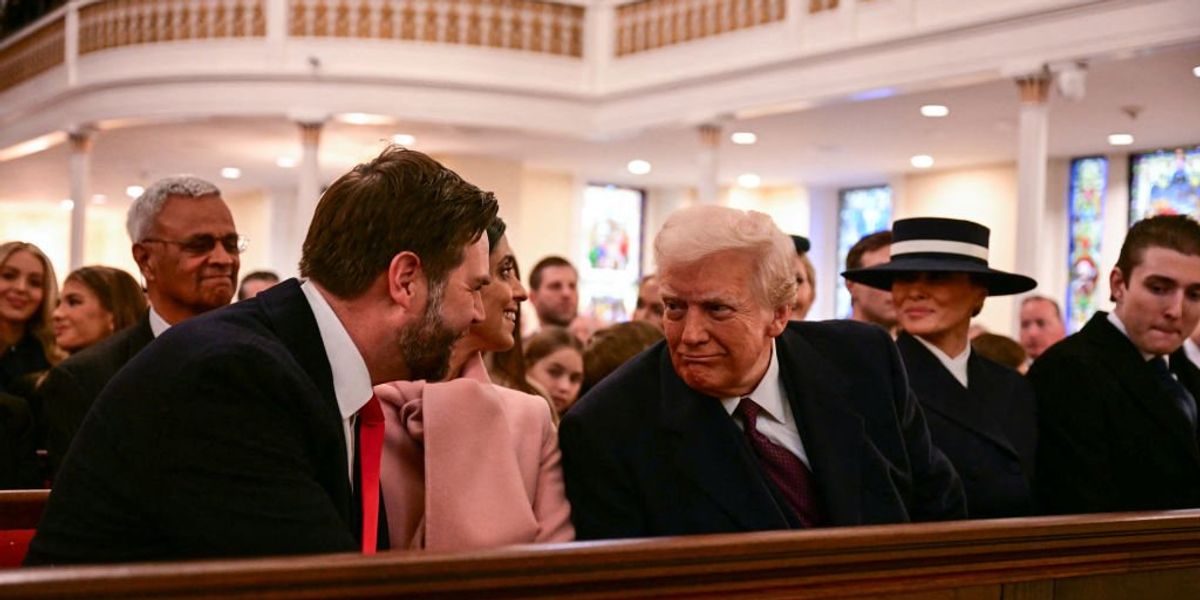
 The Blaze
Trump IRS realizes the president's years-old promise to churches

 Fox Business
IRS clears way for churches to endorse political candidates
 NBC News
IRS says churches can endorse political candidates without losing tax exemptions
Overview
The Johnson Amendment restricts tax-exempt organizations, including churches, from endorsing political candidates.
Historically, the IRS has rarely enforced this amendment against houses of worship.
A Christian media group is suing the IRS, claiming violations of First Amendment rights.
The IRS now supports churches endorsing candidates, citing the Free Exercise Clause of the First Amendment.
Former President Trump and Republican lawmakers advocate for the repeal of the Johnson Amendment, gaining traction with the IRS's new stance.
Analysis
Center-leaning sources frame the IRS's stance on pastors endorsing political candidates as a defense of religious freedom and free speech. They emphasize the lack of enforcement of the Johnson Amendment, suggesting a bias towards supporting religious expression in political contexts, while also highlighting ongoing legal challenges and legislative efforts.
FAQ
The Johnson Amendment is a tax code provision introduced in 1954 that prohibits 501(c)(3) non-profit organizations, including churches, from endorsing or opposing political candidates to maintain their tax-exempt status.
The IRS now interprets the Johnson Amendment as not applying when churches discuss political candidates through their usual channels of communication on matters of faith, effectively allowing endorsements without jeopardizing tax-exempt status.
This change could increase political involvement by churches, as they may now openly endorse candidates without fear of losing their tax-exempt status, potentially altering the political landscape and influencing elections.