BBC Gaza Documentary Found to Breach Accuracy Guidelines
Reviews reveal that a BBC documentary on Gaza failed to disclose the narrator's ties to Hamas, violating editorial standards on accuracy.
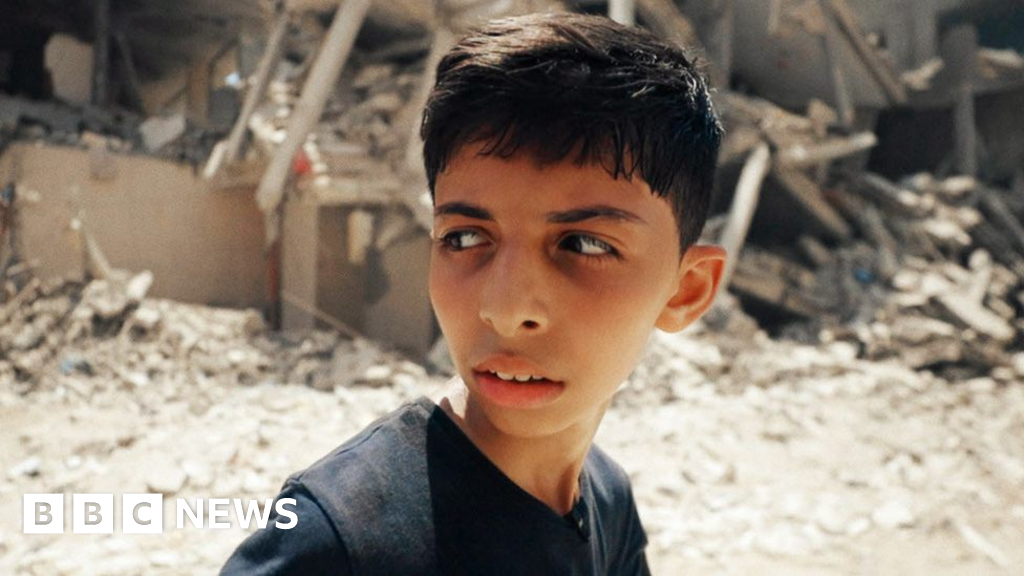


Overview
Two reviews concluded that a BBC documentary on Gaza did not meet accuracy standards by failing to disclose the narrator's familial ties to Hamas.
The reviews, conducted by the BBC and The Guardian, placed primary responsibility on Hoyo Films for the documentary's inaccuracies.
An independent review indicated that three members of the production team were aware of the narrator's father's position in the Hamas government.
The breach of editorial guidelines raises concerns about the integrity of the BBC's reporting on sensitive topics like Gaza.
The findings highlight the importance of transparency in media, especially when covering politically charged subjects.
Analysis
Center-leaning sources emphasize accountability and transparency, highlighting the BBC's editorial standards while attributing responsibility to the independent production company. The framing suggests a critical stance towards the documentary's integrity, reflecting concerns about bias and the importance of disclosing affiliations that could influence narrative credibility.
FAQ
The BBC Gaza documentary was narrated by Abdullah, a 13-year-old who is the son of Hamas's deputy minister of agriculture. This was controversial because the film failed to disclose his family ties to Hamas, a group classified as a terrorist organization by the UK and others, leading to accusations of breaching editorial accuracy guidelines.
The documentary breached the BBC's editorial guidelines on accuracy by failing to disclose the narrator’s familial ties to Hamas, which was considered critical information for the audience. However, there was no breach found regarding impartiality guidelines.
The independent reviews concluded that the independent production company Hoyo Films held most of the responsibility for the documentary’s inaccuracies, as three members of the production team knew of the narrator’s father’s position in the Hamas government. The BBC was less aware of this connection but also shares some responsibility.
The BBC removed the documentary from its iPlayer platform after concerns were raised and stated it would conduct a full audit of the financial expenditure related to the film produced by Hoyo Films. The BBC also emphasized the importance of a comprehensive and rigorous review to restore trust in their reporting.
Yes, the BBC has indicated that the documentary, 'Gaza: How to Survive a Warzone,' could return to the iPlayer platform in the future despite the controversy, as they remain keen to tell the stories featured in the film.
