House Speaker Johnson Postpones Vote on Jeffrey Epstein Files Until After August Recess
House Speaker Mike Johnson postponed a vote on Jeffrey Epstein's files resolution until after Congress's August recess, citing the administration's need for operational space.
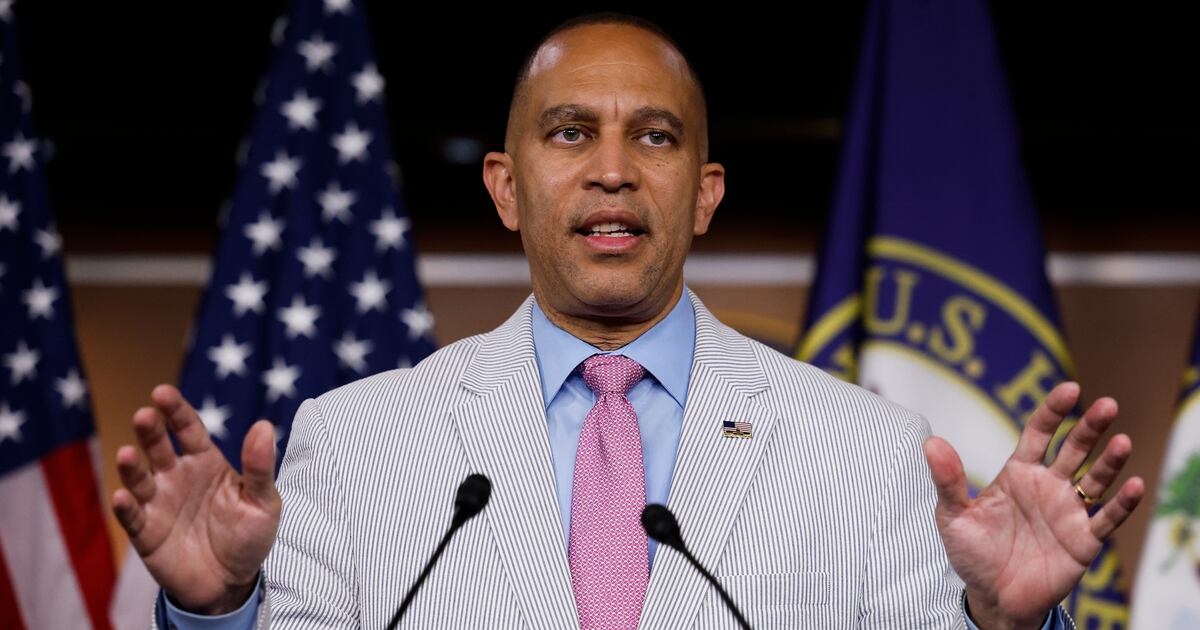
 Daily Beast
Dems Blast GOP for Protecting ‘Lifestyles of Rich and Shameless’ Over Epstein
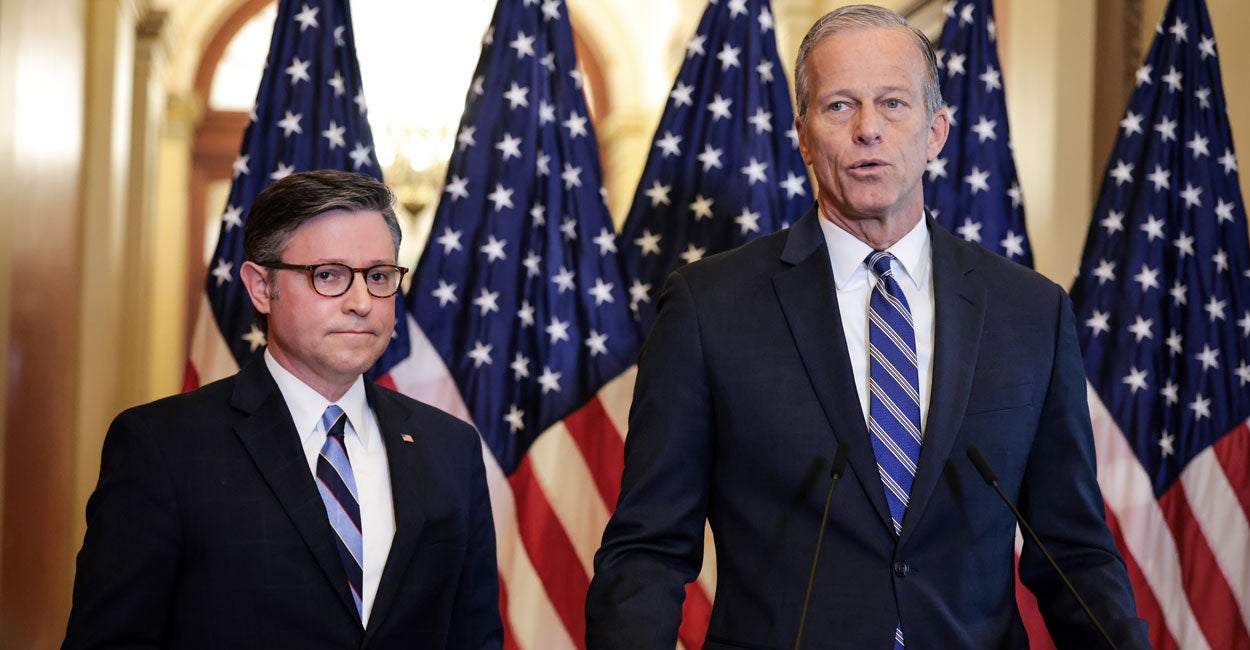
 Daily Signal
Congress Leaves Unfinished Business as Long Recess Begins
 Newsmax
Speaker Johnson: No One Is Blocking Epstein Files

 Western Journal
With Epstein Fires Flaring, House Schedule Abruptly Changes, 5-Week Vacation to Begin Early
Overview
House Speaker Mike Johnson announced the postponement of a vote on a resolution concerning Jeffrey Epstein's files, ensuring it will not occur before Congress's August recess.
Johnson stated the delay is necessary to provide the administration with sufficient operational space, particularly given the sensitive nature of the Epstein matter.
The White House is currently facing significant repercussions from a Justice Department review regarding Jeffrey Epstein's case, intensifying political pressure on the administration.
Republican Rep. Thomas Massie, supported by some GOP members, is actively leading an initiative to compel a bipartisan vote on the release of the Epstein-related files.
Despite these bipartisan calls for transparency and efforts to force a vote, House leadership remains unwilling to bring the resolution to a vote before the upcoming August recess.
Analysis
center-leaning sources frame the Jeffrey Epstein case as a disruptive political "saga" "freezing up" the House. They emphasize procedural halts and political discomfort for Republican leadership, portraying efforts to avoid "embarrassing votes" and manage internal party divisions over file release. The collective narrative highlights the political fallout and operational disruption.
FAQ
House Republicans are pushing for the release of more documentation pertaining to the investigation of Jeffrey Epstein, but the recent Justice Department review found that Epstein had no "client list," and the efforts are currently focused on obtaining any pertinent grand jury testimony, subject to court approval[1]. The resolution under discussion urges the Justice Department to make such files public, though it has no legal weight.
Johnson cited the need to give the administration operational space during the ongoing fallout from the Justice Department review on the Epstein case. He stated that further congressional action would be considered if necessary, but indicated that he does not believe the time is right for a vote at present, especially as the White House is managing significant political pressure from the fallout[1].
Yes, there are clear divisions. Frustration is running high among House Republicans, with some members actively pushing for more transparency and a vote—led in part by Rep. Thomas Massie with bipartisan support—while House leadership, including Speaker Johnson, resists immediate action. This division has reportedly contributed to Johnson's slipping control of his conference and key committees, and even led to the early adjournment of House legislative business this week[2].
Democrats have characterized the Republican-sponsored resolution as a
