Federal Courts Block Trump's Birthright Citizenship Executive Order
Federal appeals courts ruled President Trump's executive order on birthright citizenship unconstitutional, upholding nationwide injunctions and blocking its enforcement across the U.S.

 ABC News
Judge blocks Trump’s birthright citizenship restrictions in third ruling since high court decision

 PBS NewsHour
Judge blocks Trump’s birthright citizenship order in 3rd ruling since Supreme Court decision
 Associated Press
Judge blocks Trump’s birthright citizenship restrictions in third ruling since high court decision
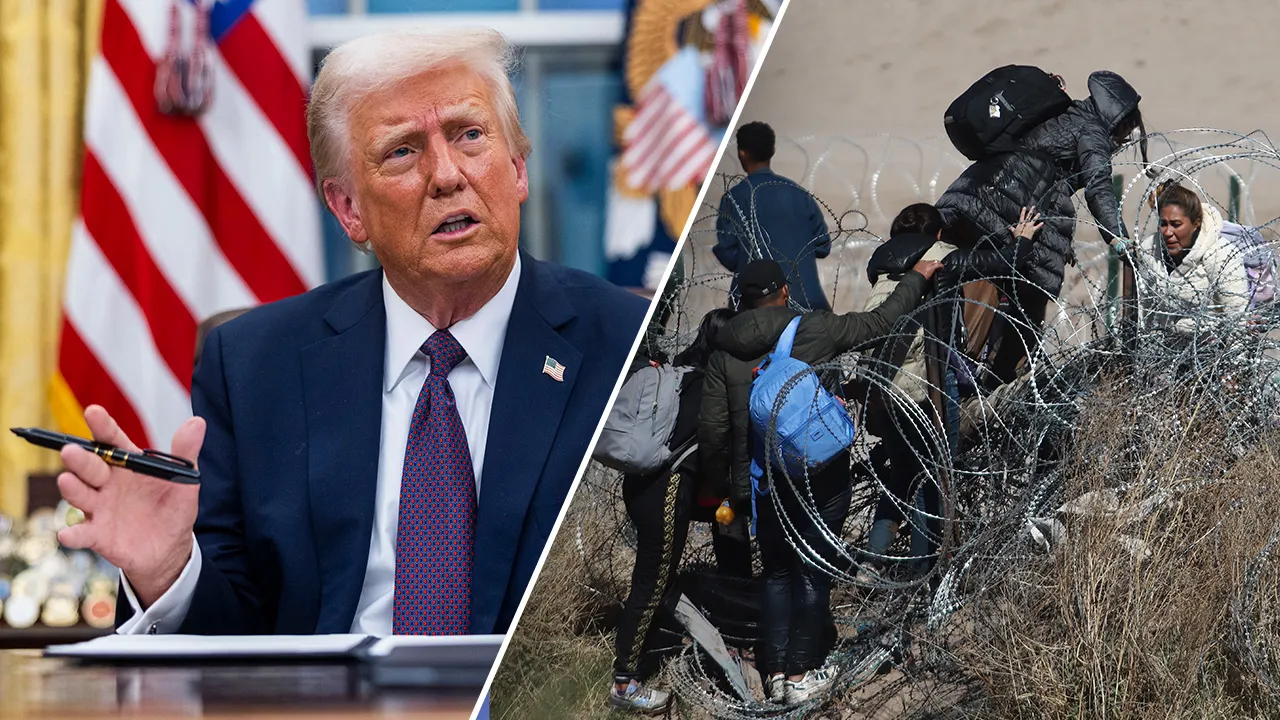
 FOX News
Federal appeals court rules against Trump's birthright citizenship executive order
Overview
Multiple federal appeals courts have ruled President Trump's executive order, which aimed to end birthright citizenship, as unconstitutional.
These court decisions uphold nationwide injunctions, effectively blocking the enforcement of the controversial order across the United States.
The 9th Circuit Court of Appeals specifically affirmed that the Executive Order's proposed interpretation denying citizenship is unconstitutional.
The majority of judges, including those appointed by Presidents Clinton and Obama, agreed on the unconstitutionality, with a Trump-appointed judge dissenting.
The rulings collectively reinforce the existing constitutional understanding of birthright citizenship, preventing the executive branch from unilaterally altering it.
Analysis
Center-leaning sources cover this story neutrally, focusing on reporting the ongoing legal challenges to the Trump administration's birthright citizenship order. They present the arguments of both the administration and the plaintiffs, detailing the various court rulings and their legal bases without adopting a particular stance. The coverage emphasizes the procedural aspects and the differing interpretations of the 14th Amendment.
FAQ
President Trump's executive order aimed to end birthright citizenship for children born in the U.S. to mothers who are unlawfully present or temporarily in the country (e.g., on student, work, or tourist visas) and fathers who are neither U.S. citizens nor lawful permanent residents. It proposed redefining the Citizenship Clause of the 14th Amendment to exclude these children from automatic citizenship.
Federal courts ruled the executive order unconstitutional because it conflicted with the 14th Amendment's Citizenship Clause, which guarantees citizenship to all persons born on U.S. soil and subject to its jurisdiction. The courts upheld nationwide injunctions blocking the order's enforcement, reinforcing the established constitutional interpretation of birthright citizenship.
The order would have affected children born in the United States to mothers who were unlawfully present or temporarily present with visas, and fathers who were neither U.S. citizens nor lawful permanent residents. This includes immigrant families where one or both parents lacked permanent legal status, potentially denying citizenship to babies born after February 19, 2025.
The Supreme Court limited the scope of nationwide injunctions, potentially allowing partial enforcement of Trump's birthright citizenship executive order against parties not involved in existing lawsuits. However, ongoing legal challenges remain, and many states and organizations continue to fight the order's constitutionality.
President Trump cited the Fourteenth Amendment’s Citizenship Clause, arguing that it had never been interpreted to extend universal citizenship to everyone born within the U.S. He emphasized the phrase "subject to the jurisdiction thereof," claiming that some children born to certain immigrants were excluded from birthright citizenship under this interpretation.