Trump Administration Revises Human Rights Report, Easing Criticism on Allies
Trump administration's revised human rights report reduces criticism for allies like Israel and El Salvador, while increasing scrutiny on perceived foes, suggesting a politicized assessment.
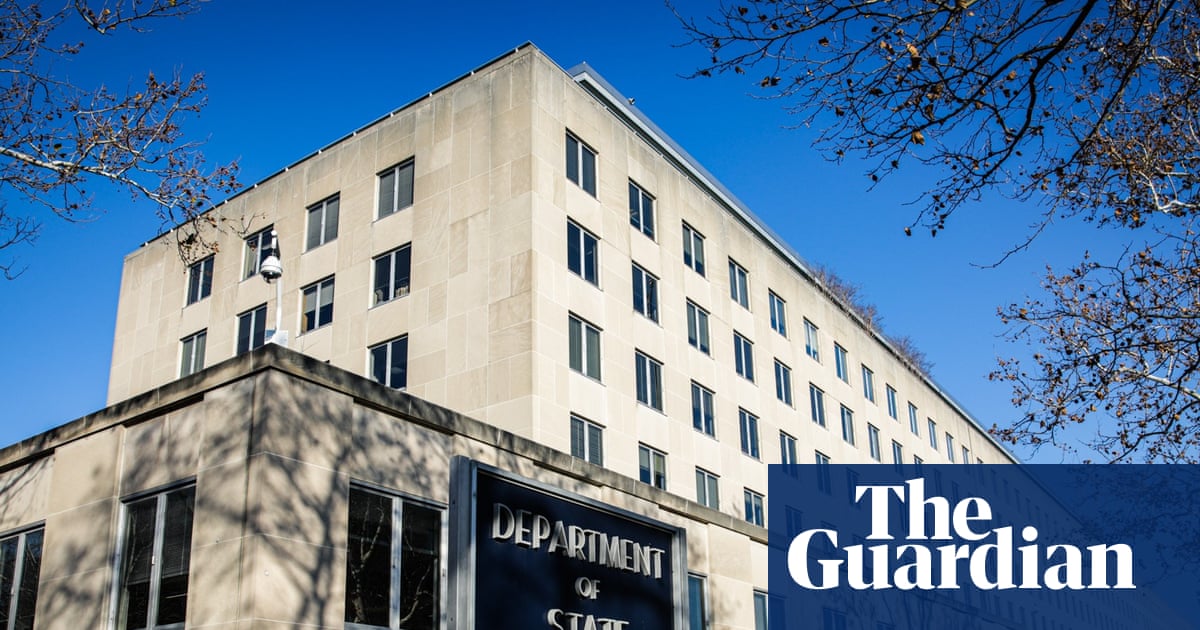
 The Guardian
State department softens human rights criticisms of Trump-allied countries

 Al Jazeera
Key issues omitted in revised US State Department human rights report

 Joe.My.God.
State Department Removes LGBTQ Mentions From Annual Human Rights Reports On Countries Worldwide
 Associated Press
Trump administration calls out human rights records of some nations accepting deported migrants
Overview
The Trump administration has issued a revised human rights report, marking a significant departure from previous evaluations of global human rights conditions.
The updated report notably reduces critical assessments of traditional US allies, specifically mentioning nations such as Israel and El Salvador, compared to prior evaluations.
Conversely, the report intensifies its disapproval and scrutiny of countries identified as US foes, with Brazil and South Africa facing heightened criticism.
This pattern suggests that countries maintaining strong political alliances with the United States are subjected to less rigorous examination of their human rights records.
The changes highlight a potential politicization of human rights assessments, indicating that the administration's foreign policy objectives may be influencing the report's findings and focus.
Analysis
Center-leaning sources frame the story by portraying the Trump administration's changes to human rights reports as a politically motivated "gutting" of a previously comprehensive and respected document. They emphasize the drastic reduction in content, the omission of critical categories like LGBTQ+ rights and corruption, and the selective application of criticism, suggesting an abandonment of core values and a "free pass" for certain regimes.
FAQ
The revised report notably reduced critical assessments of traditional U.S. allies, including Israel and El Salvador, compared to previous evaluations, showing a softer stance on their human rights records.
The report increased scrutiny and disapproval of countries identified as U.S. foes, such as Brazil and South Africa, indicating an intensified criticism compared to prior reports.
The pattern suggests that countries with strong political alliances to the U.S. received less rigorous examination, while adversaries faced harsher critique, implying that foreign policy objectives influenced the report's findings.
Examples include rollbacks of protections for transgender people in USAID policies, executive orders ending diversity programs, tougher immigration enforcement, and limiting privacy rights of non-U.S. citizens.
The administration's new human rights reports have eliminated mentions of discrimination faced by LGBTQ people, reflecting reduced attention to LGBTQ rights.
