Florida Executes Kayle Bates for 1982 Murder of Janet White
Kayle Bates was executed in Florida for the 1982 murder of Janet White, marking the state's tenth execution this year. His appeals, including claims of brain damage, were denied.



Overview
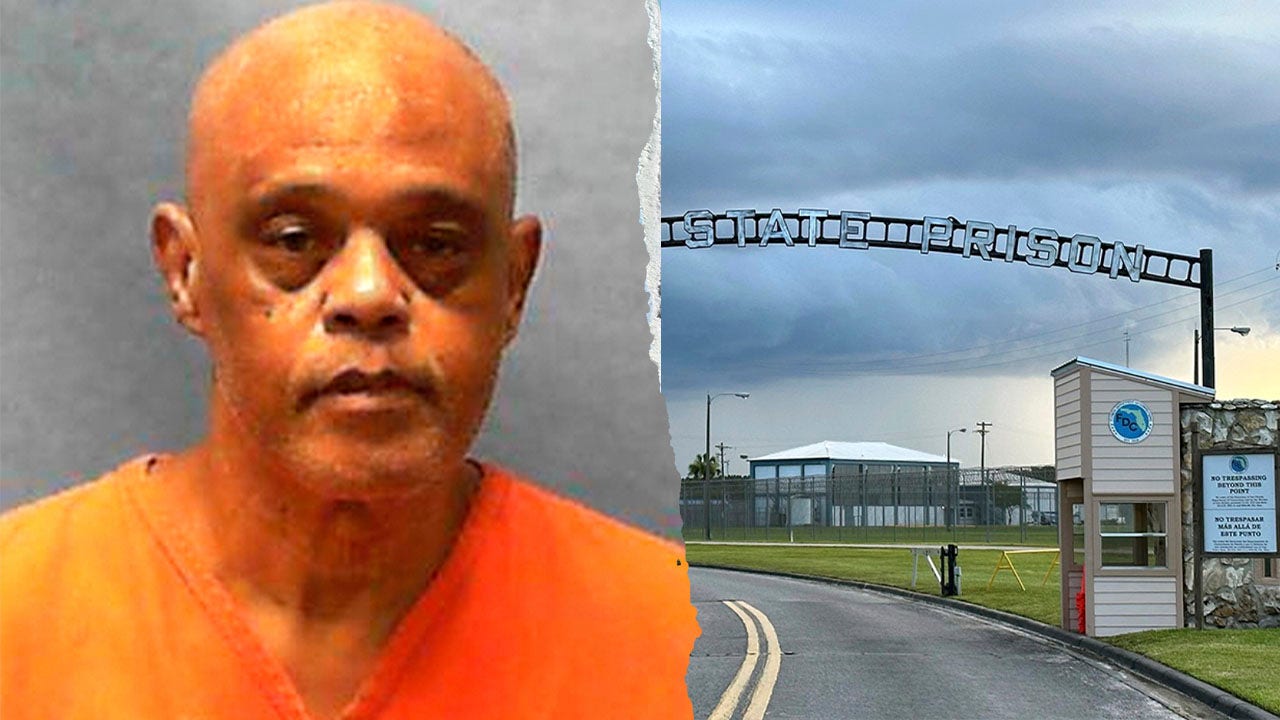
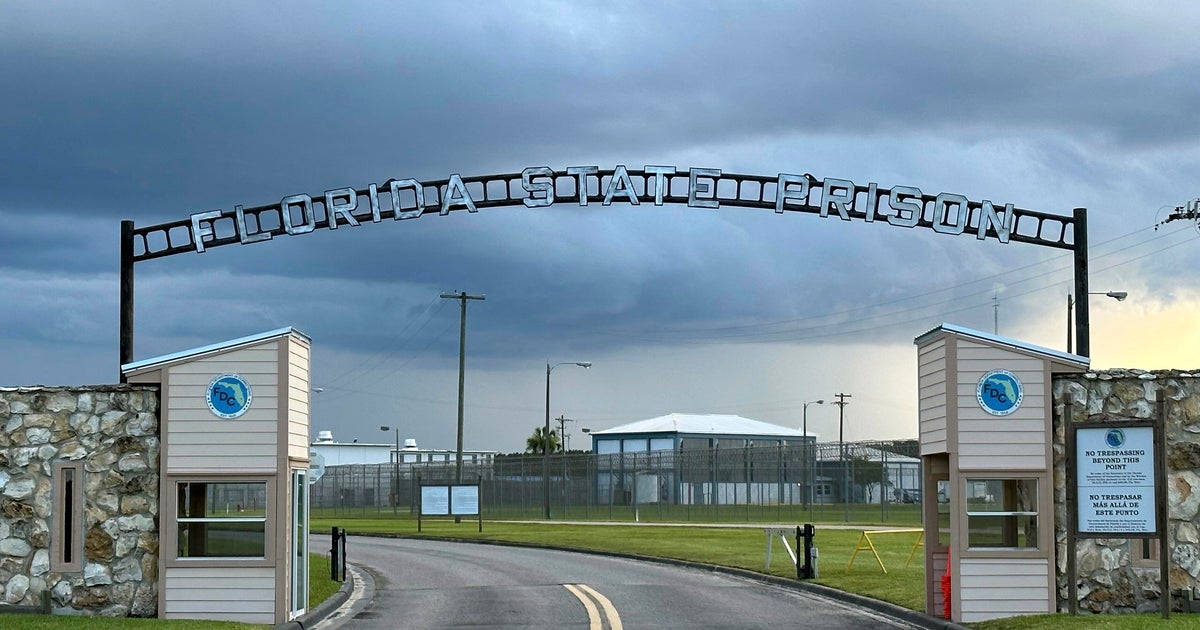
Kayle Bates was executed at Florida State Prison, marking the state's 10th execution in 2025, for the 1982 murder of Janet White.
Bates was convicted of first-degree murder, kidnapping, armed robbery, and attempted sexual battery in connection with Janet White's killing.
The victim's husband witnessed the execution, which occurred 43 years after the crime, bringing a long-awaited resolution to the case.
Bates declined a last meal and last words, and his attorneys' appeals, including a federal lawsuit alleging discrimination, were ultimately dismissed.
The Florida Supreme Court denied Bates' claims, including arguments about inadequate consideration of evidence of organic brain damage, leading to his execution.
Analysis
Center-leaning sources frame this story by emphasizing the victim's family's long-awaited closure and the brutality of the crime. They extensively feature the grieving husband's emotional journey and his perspective on "justice served." While including counter-arguments from Bates' attorneys and veterans, these are often presented with less emotional weight or immediately rebutted, collectively shaping a narrative focused on retribution and victim vindication.
FAQ
Kayle Bates was convicted of first-degree murder, kidnapping, armed robbery, and attempted sexual battery related to Janet White's 1982 murder.
Bates' appeals included claims of brain damage, allegations of racial bias in the death sentencing process, and arguments regarding inadequate consideration of evidence; all were denied by courts including the Florida Supreme Court.
The execution was performed via a three-drug lethal injection protocol, involving a sedative, a paralytic agent, and a drug to stop the heart, at Florida State Prison near Starke.
Bates' execution marked Florida's tenth execution in 2025, extending the state's record for the number of executions in a single year and making Florida the state with the most executions that year.
Yes, petitions and legal actions were undertaken to stop the execution, citing concerns about racial bias, the death penalty's efficacy, and calls for clemency, but these efforts were ultimately unsuccessful.