President Trump Pushes for Death Penalty Reinstatement in Washington D.C. Amid Homicide Spike
President Trump's administration advocates for reinstating the death penalty in Washington D.C. murder cases, citing a recent spike in homicides, despite local opposition and the city's historical abolition of capital punishment.

 Western Journal
Trump Announces 'Capital Capital Punishment' Plan: 'We Have No Choice'
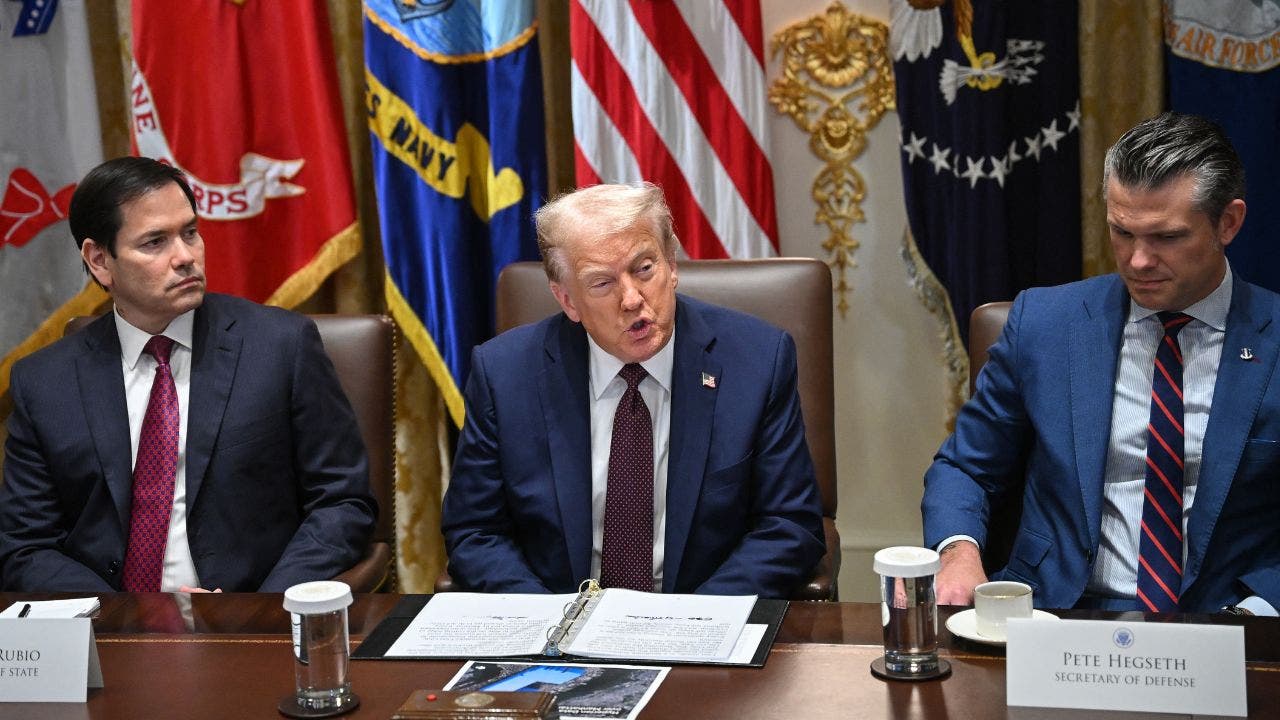
 FOX News
Politics Newsletter: Trump says 'no choice' but to revive death penalty in DC

 PBS NewsHour
WATCH: 'We're going to be seeking the death penalty' for murders in D.C., Trump says

 Al Jazeera
Donald Trump promises death penalty for murder cases in Washington, DC
Overview
President Trump's administration advocates for reintroducing the death penalty in Washington D.C. murder cases, aiming to use capital punishment as a preventative measure against rising crime.
This push follows a significant spike in D.C. homicides in 2023 and 2024, recording the city's highest murder rate since 1997, prompting calls for stricter law enforcement.
Washington D.C. nullified the death penalty in 1972 and repealed it in 1981, with residents voting against reinstatement in 1992, creating local opposition to Trump's proposal.
To combat perceived lawlessness, President Trump has deployed federal law enforcement and plans to potentially federalize the Metropolitan Police Department in the capital.
Despite D.C.'s local ban, federal prosecutors retain authority to seek capital punishment for certain crimes, a power President Trump reinstated federally on his first day in office.
Analysis
Center-leaning sources cover President Trump's call for the death penalty in D.C. neutrally, prioritizing factual reporting and comprehensive context. They avoid loaded language, instead providing extensive historical legal background, D.C.'s strong opposition, and national statistics on capital punishment, allowing readers to form their own conclusions based on balanced information.
FAQ
While Washington D.C. abolished the death penalty locally in 1981 and residents voted against its reinstatement in 1992, the U.S. Attorney's Office in D.C. prosecutes both local and federal crimes and can bring federal charges that allow for capital punishment. This federal prosecutorial authority was reinstated on President Trump's first day in office, enabling the pursuit of the death penalty for certain federal crimes in D.C.
President Trump advocates for reinstating the death penalty as a strong preventative measure against a recent significant spike in homicides in Washington D.C., aiming to crack down on crime and exert more federal control over the nation's capital amid rising murder rates.
Washington D.C. abolished the death penalty locally in 1981 after decades without executions, with the last execution carried out in 1957. Residents voted overwhelmingly against reinstating it in a 1992 referendum, reflecting strong local opposition to capital punishment.
Washington D.C. experienced its highest murder rate since 1997 in 2023 and 2024, prompting calls for stricter law enforcement. In response, President Trump deployed federal law enforcement to the capital and considered federalizing the Metropolitan Police Department, coinciding with his push to reinstate the death penalty as part of a federal crackdown on crime.
Although President Trump announced that the death penalty would be sought for murders in Washington D.C., detailed implementation plans remain unclear. The federal prosecutors plan to utilize existing federal statutes, and the Justice Department is directed to support states using capital punishment, including assistance with lethal injection drugs, but the exact procedures in D.C. have yet to be specified.

