Federal Appeals Courts Rule Trump's Tariffs Unconstitutional, Allowing Time for Supreme Court Appeal
Multiple U.S. federal appeals courts have deemed President Trump's tariffs unconstitutional, granting a temporary stay for appeal while potentially impacting $142 billion in import tax refunds.
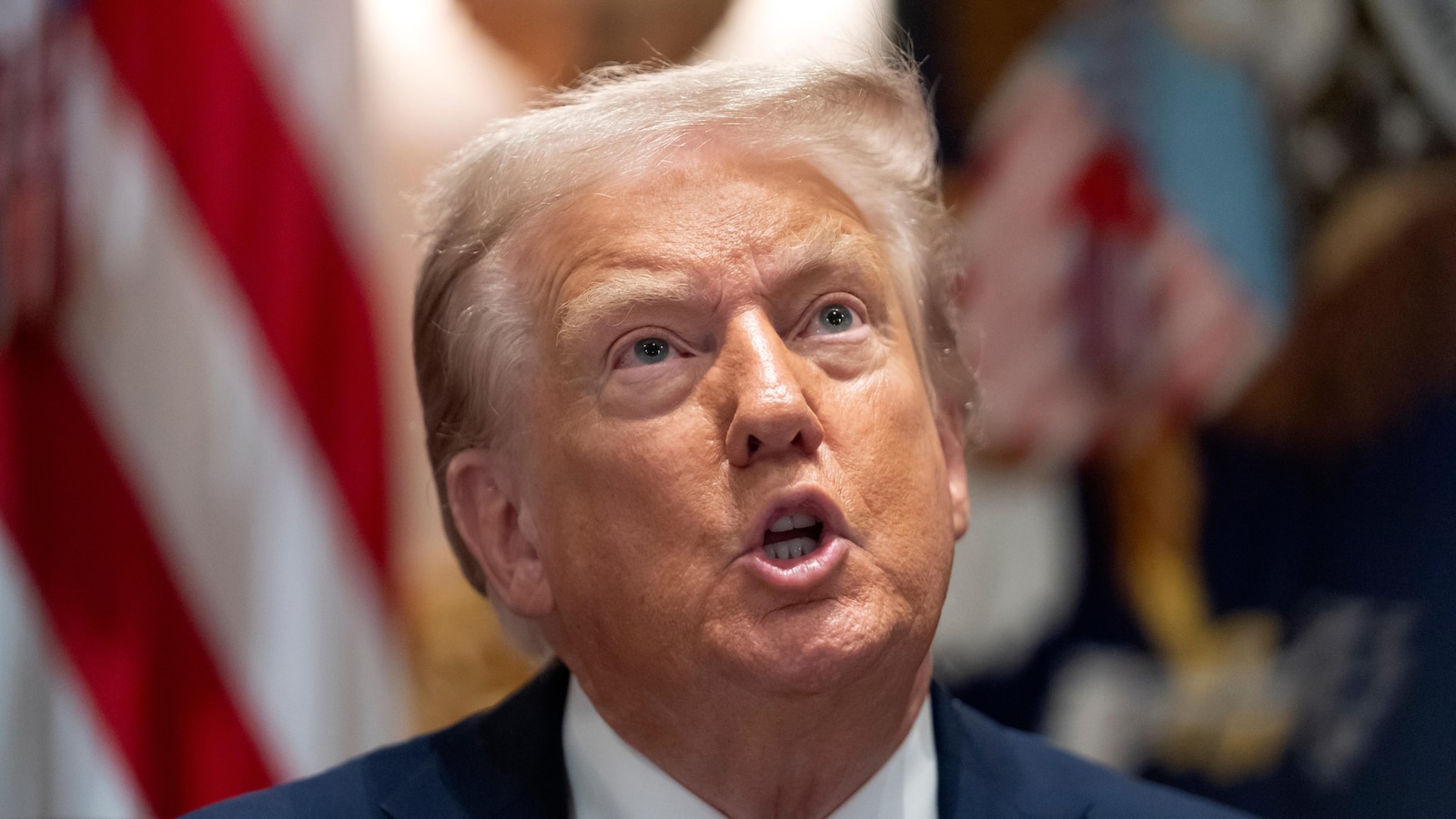
 ABC News
What happens to Trump’s tariffs now that a federal appeals court has knocked them down?
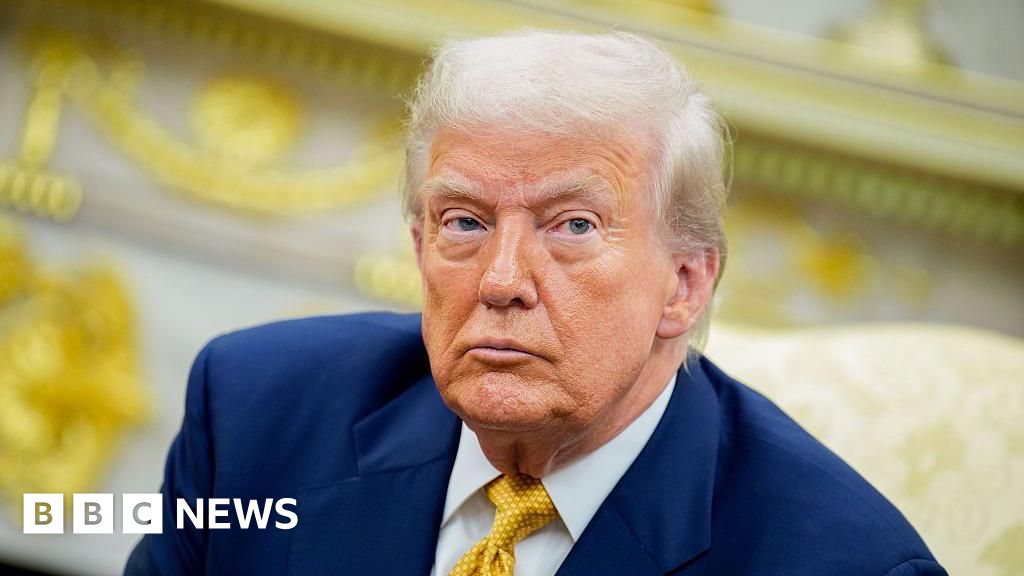
 BBC News
US court rules many of Trump's global tariffs are illegal
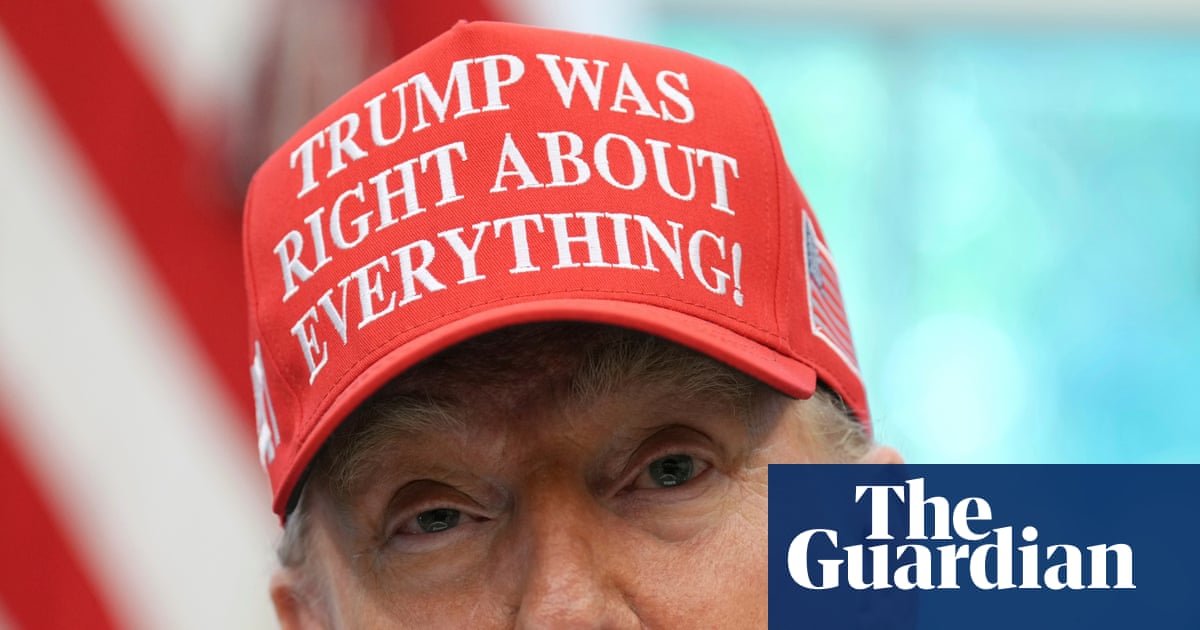
 The Guardian
Trump news at a glance: court ruling threatens to upend Trump’s tariffs; Kamala’s security detail revoked

 Reason
Federal Circuit Rules Against Trump's Massive IEEPA Tariffs in Our Case Challenging Them
Overview
Multiple U.S. federal appeals courts ruled that President Trump's tariffs are unconstitutional, stating only Congress has the authority to impose such taxes.
The courts found Trump's use of the International Emergency Economic Powers Act (IEEPA) for tariffs unlawful, emphasizing Congress's exclusive tax-levying power.
The appeals courts have temporarily allowed the tariffs to remain in effect until mid-October, giving the Trump administration time to appeal to the Supreme Court.
This ruling could require the U.S. government to refund $142 billion in import taxes collected, significantly affecting the U.S. Treasury and future trade policy.
The decision does not impact all of Trump's tariffs, specifically excluding those on steel and aluminum or those issued under different legal authorities.
Analysis
Center-leaning sources frame the story by portraying President Trump's tariff actions as an overreach of executive power and his trade policies as "erratic" and detrimental. They use evaluative language to describe his claims and actions, emphasizing the court's ruling as a significant "setback." The coverage consistently highlights negative economic consequences and the constitutional principle that tariffs are a core congressional power.
FAQ
Federal appeals courts ruled the tariffs unconstitutional because the president used the International Emergency Economic Powers Act (IEEPA) to impose tariffs, but courts found that only Congress has the authority to levy taxes and tariffs, and IEEPA does not expressly authorize the president to impose tariffs.
The rulings could require the U.S. government to refund approximately $142 billion in import taxes collected from the tariffs, which would significantly affect the U.S. Treasury and affect future trade policy.
IEEPA allows the president to regulate imports to address unusual and extraordinary threats related to national security, foreign policy, or the economy, but it does not expressly authorize the imposition of tariffs. Courts have found that the authority to impose tariffs is primarily vested in Congress, and that IEEPA does not provide sufficient authority for the tariffs imposed under it.
No, the rulings do not affect all of Trump's tariffs. Specifically, tariffs on steel and aluminum and those issued under different legal authorities are excluded from these rulings and remain in effect.
The appeals courts have allowed the tariffs to remain in effect on a temporary stay until mid-October, providing the Trump administration time to appeal the tariffs ruling to the Supreme Court.

