Nonpublic Schools Seek Enhanced Security Amid Rising Concerns
Recent school shootings at nonpublic Christian schools in Tennessee underscore their vulnerability, prompting calls for increased security measures and inclusion in state aid and security grant programs.
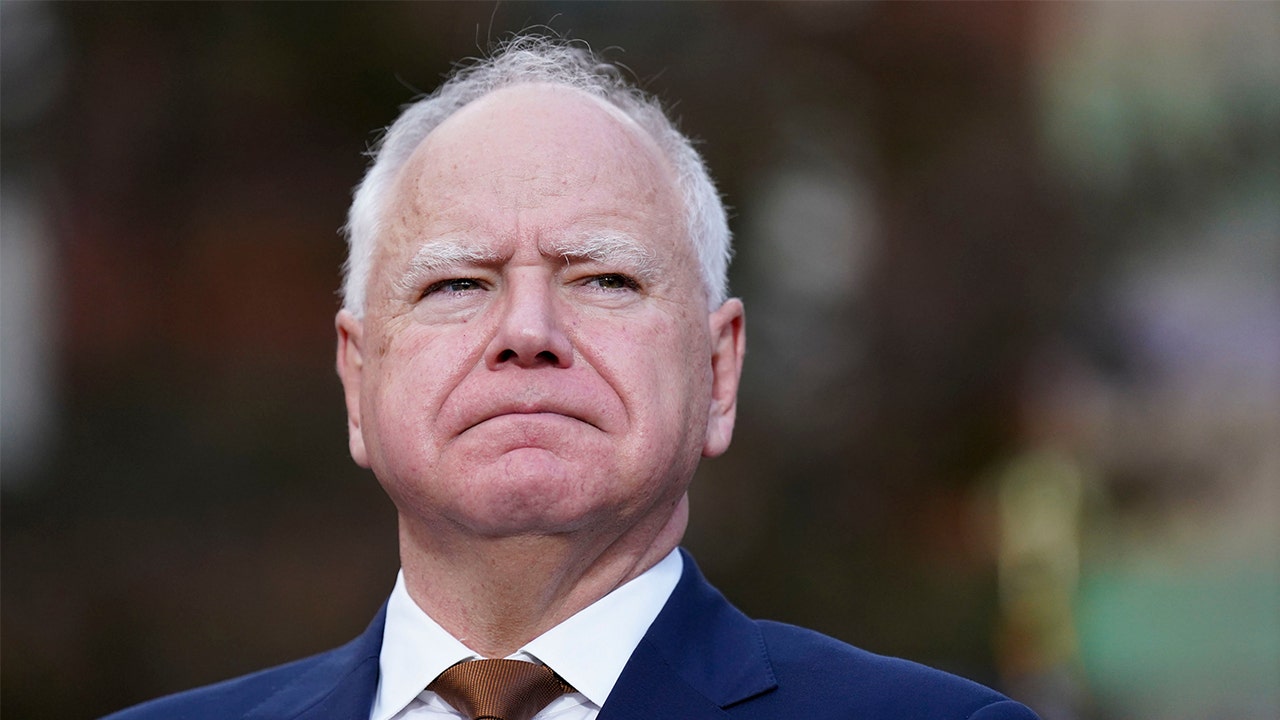
 FOX News
Unearthed letter exposes how Minnesota Catholic leaders warned Walz on school safety

 One America News Network
Minn. Catholic school leaders’ 2023 plea for enhanced security to Walz and Lt. Gov. went ignored
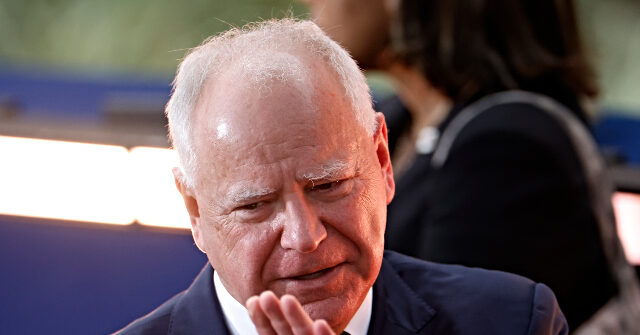
 Breitbart News
Report: Tim Walz Denied Catholic Schools’ Request for Small Security Budget Despite $17 Billion Surplus
Overview
Recent school shootings at nonpublic Christian schools in Tennessee have brought to light the significant vulnerability of these institutions to violent attacks.
These incidents have spurred urgent requests from various stakeholders for the implementation of more robust security measures across nonpublic school campuses.
Currently, nonpublic schools are not eligible for state aid provided to school districts, which includes exclusion from crucial security grant programs designed to enhance safety.
Organizations are advocating for legislative changes that would extend state funding and security grants to nonpublic schools, addressing their current lack of coverage.
The debate highlights a broader issue of equitable security funding for all educational institutions, aiming to protect students and staff regardless of school type.
Analysis
Analysis unavailable for this viewpoint.
FAQ
Tennessee passed HB0322, which mandates heightened security measures for public and private schools, allocates funding for school resource officers, security upgrades, and behavioral health staff, and requires safety plans and threat assessment teams. However, grant programs for security personnel currently exclude private schools from some funding streams.
The 2023-24 budget set aside $30 million to place school resource officers in every public school, $7 million specifically for private school security upgrades, $140 million for an SRO grant fund for public schools, and $8 million for additional behavioral health liaisons. Funding also supports physical security enhancements and Homeland Security agents serving both public and private schools.
Many faith-based and private schools have implemented measures such as hiring armed security officers, conducting lockdown drills, coordinating with local law enforcement for increased patrols, and upgrading facilities with ballistic-proof windows and metal detectors, although not all have security officers on-site due to funding and policy limitations.
Nonpublic schools are currently ineligible for certain state aid and school resource officer grant programs because these funds are primarily designated for public school districts. This exclusion has prompted advocacy groups to seek legislative changes to include private schools in security funding to ensure equitable protection.
Private schools face challenges in sustaining armed security officers and other safety measures after the expiration of one-time grant funds. Stakeholders are working on securing ongoing funding to keep trained security personnel employed and maintain heightened security expectations among parents, staff, and students.