France Appoints New Prime Minister Sébastien Lecornu Amidst Deepening Political and Economic Turmoil
Sébastien Lecornu is France's new Prime Minister, appointed by President Macron after François Bayrou's ouster. He faces a divided parliament, financial challenges, and potential mass protests.
 CNN
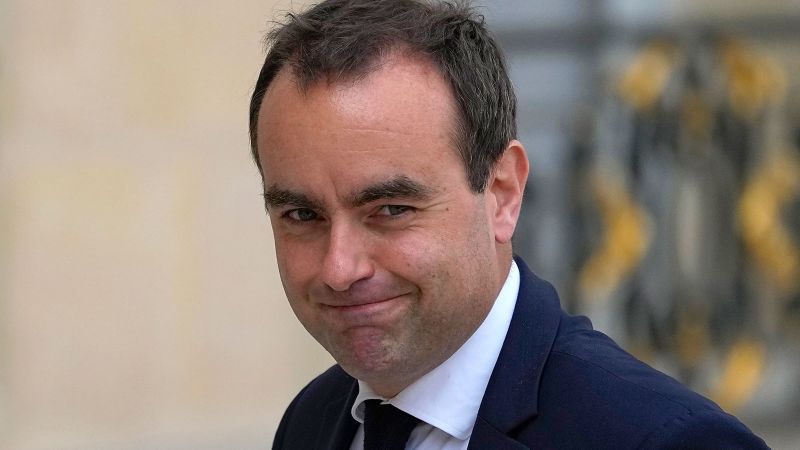
CNNFrench President Emmanuel Macron appoints outgoing defense minister Sébastien Lecornu as prime minister
 PBS NewsHour
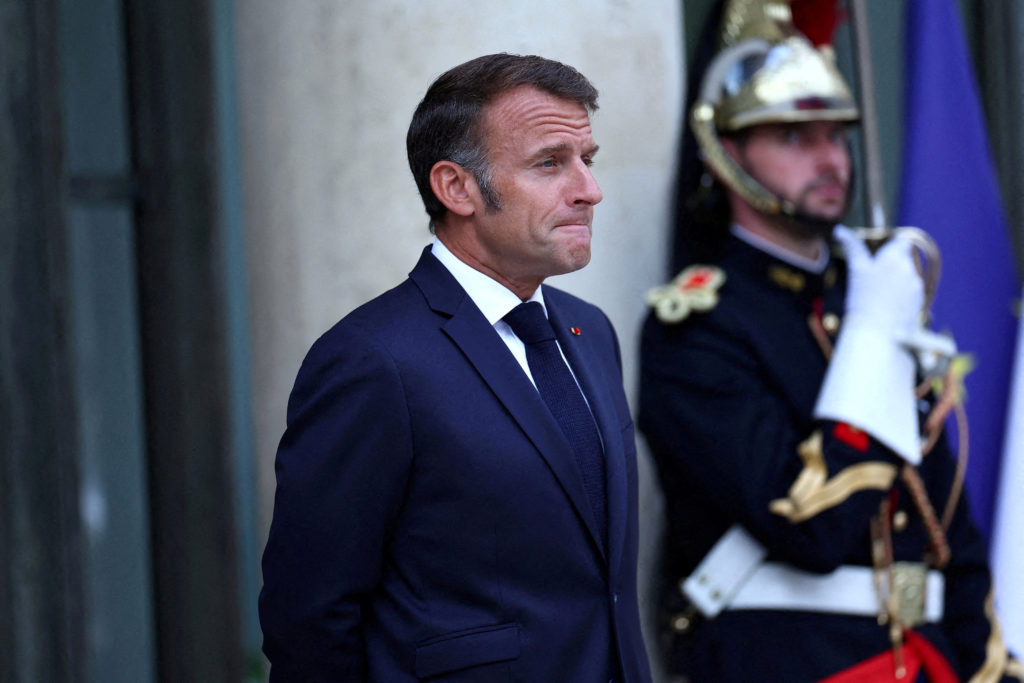
France drifts into political turmoil as another prime minister is ousted
 The Guardian
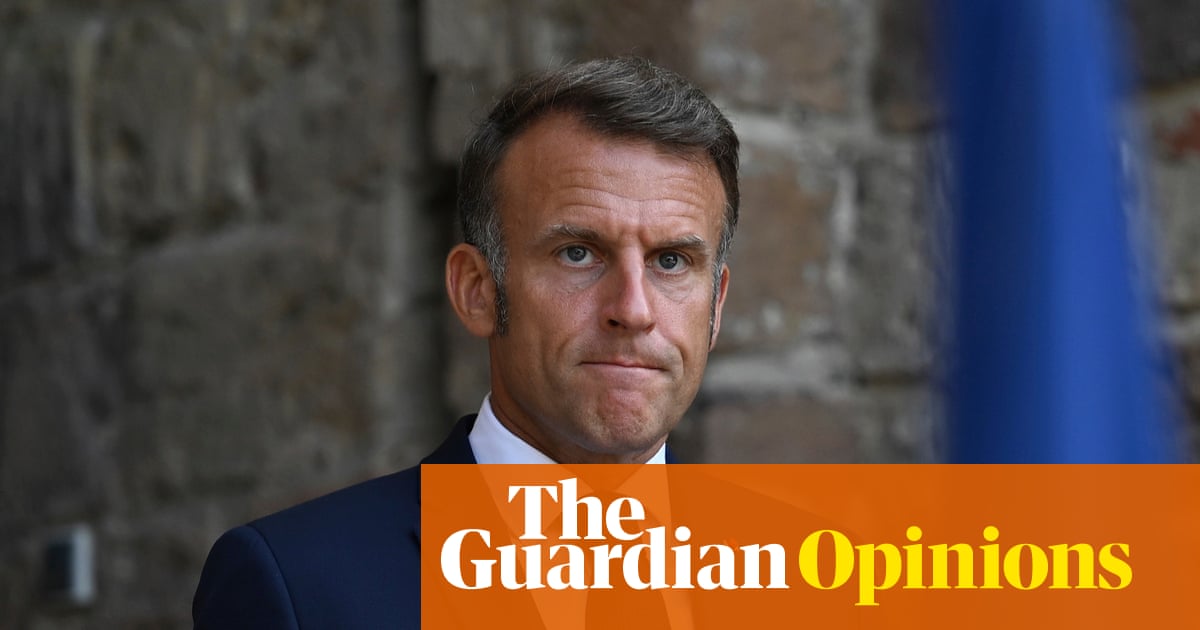
The Guardian view on political chaos in France: time for Emmanuel Macron to face reality and compromise with the left | Editorial
 World News Group
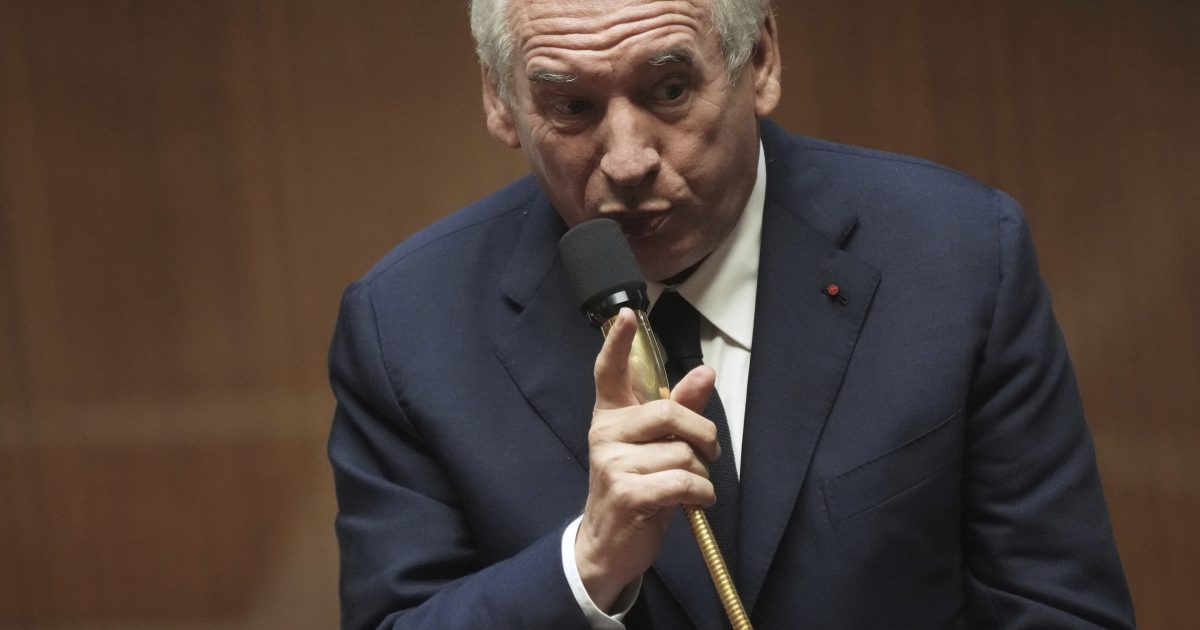
France seeks new prime minister after ouster
Overview
Outgoing Prime Minister François Bayrou resigned after nine months, losing a parliamentary confidence vote (364-194) due to failing on a central promise and an unpopular debt-reduction budget.
Bayrou's ouster stemmed from his plan to freeze welfare, cut civil-service jobs, and scrap public holidays, aimed at tackling France's significant public debt and high deficit.
France faces severe economic pressure with a deficit nearing 6% of GDP, exceeding the EU's 3% ceiling, and a national debt of 114% of GDP, fueling political instability.
President Emmanuel Macron has appointed Sébastien Lecornu as the new Prime Minister, tasked with navigating France's financial turmoil and uniting a deeply divided Parliament.
Lecornu must address financial challenges, potential mass protests, and a Parliament split into far-left, centrist, and far-right blocs, with 80,000 police deployed for anticipated unrest.
Analysis
Center-leaning sources collectively frame the story as one of profound political instability and crisis in France. They emphasize the repeated failures of Macron's government, portraying his decisions as "gambles" that "backfired" and leading to a nation "lurching from crisis to crisis." The narrative highlights a country "simmering" with discontent and facing "prolonged legislative deadlock."
FAQ
Sébastien Lecornu will face a deeply divided Parliament split into far-left, centrist, and far-right blocs, severe economic pressures with a deficit nearing 6% of GDP exceeding EU limits, a national debt of 114% of GDP, and potential mass protests with 80,000 police deployed for unrest.
François Bayrou resigned after losing a parliamentary confidence vote due to failing on a central promise with his unpopular debt-reduction budget, which included freezing welfare, cutting civil-service jobs, and scrapping public holidays to tackle France’s significant public debt and deficit.
Sébastien Lecornu, born in 1986, has served in multiple government roles including Minister of the Armed Forces since 2022, Minister for Local Authorities, and Minister of the Overseas. He formerly was part of The Republicans before joining President Macron's centrist Renaissance movement in 2017. He was also President of the Departmental Council of Eure and has experience managing social protests and autonomy talks.
Lecornu championed a €413 billion defense spending package for 2024-2030, the most significant increase in France’s defense budget in half a century, aiming to modernize the nuclear arsenal, increase intelligence spending, and develop more remote-controlled weapons.
President Macron appointed Sébastien Lecornu, a loyal centrist and experienced minister, as Prime Minister to provide continuity and try to unify the country’s fractious political parties to agree on a budget and address France’s financial turmoil amid growing protests and parliamentary instability.