Federal Reserve Set to Cut Interest Rates Amid Job Market Concerns and Political Pressure
The Federal Reserve plans to cut interest rates for the first time this year, responding to weak job growth and inflation pressures, influenced by President Trump.
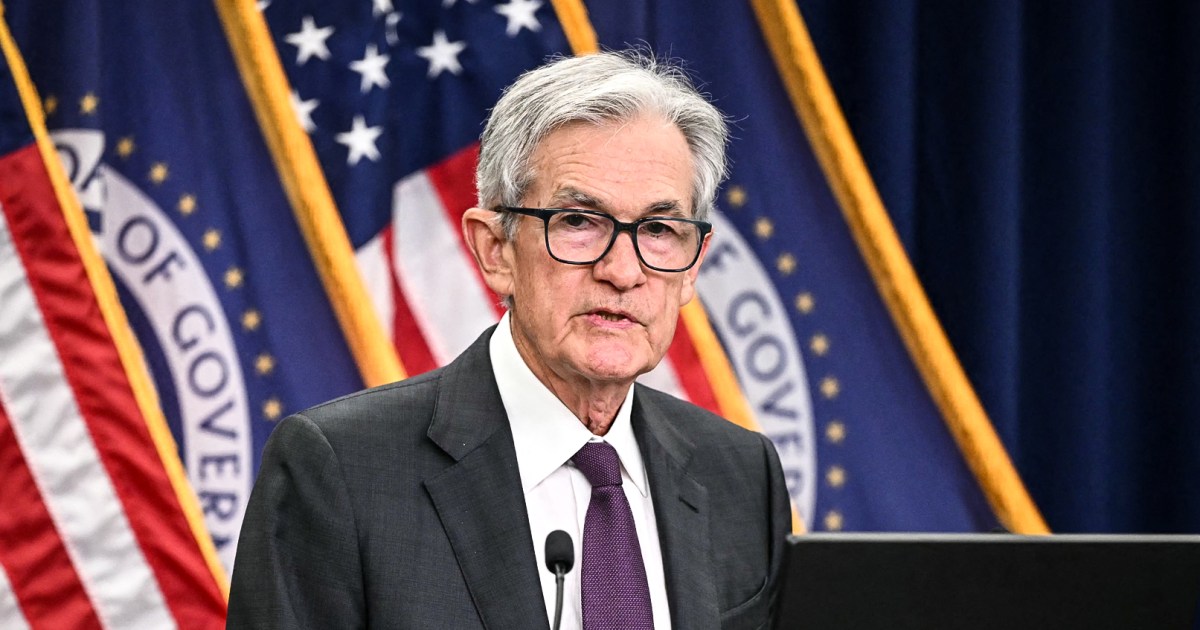
 NBC News
Federal Reserve is poised to cut rates for the first time this year

 CNN
CNNWhat to expect from the most extraordinary Fed meeting yet | Business

 NPR
NPRFacing Trump's pressure, the Fed is likely to cut rates for the first time this year

 ABC News
Federal Reserve wrestles with how many interest rate cuts to make and how fast
Overview
The Federal Reserve is expected to cut interest rates by a quarter percentage point, the first reduction this year, to support the U.S. job market.
Job growth has been weak, with only 22,000 jobs added in August and an average of 29,000 jobs over the summer, raising concerns.
Inflation rose to 2.9% in August, prompting the Fed to consider rate cuts amidst pressure from President Trump.
Stephen Miran, confirmed by the Senate, will participate in the Fed's decision-making, reflecting Trump's influence on the board.
The upcoming Fed meeting is expected to be contentious, with potential dissent among governors regarding the rate cut amid ongoing political tensions.
Analysis
Center-leaning sources frame this story by emphasizing President Trump's political pressure as a primary driver for the Federal Reserve's anticipated interest rate cut. They highlight his "high-pressure campaign" to exert control and "bypass safeguards," suggesting a potential compromise of the Fed's independence. The narrative consistently links economic factors to Trump's policies and influence.
FAQ
The Federal Reserve plans to cut interest rates due to weak job growth, with only 22,000 jobs added in August and an average of 29,000 jobs over the summer, as well as rising inflation at 2.9% in August. Additionally, there is political pressure from President Trump influencing the decision.
While the Federal Reserve's rate cut lowers the federal funds rate, it does not directly reduce mortgage rates, which are influenced by longer-term interest rates and bond markets. Mortgage rates may not immediately decrease following a Fed rate cut, but market expectations and the Fed's future policy guidance can impact them.
Stephen Miran, confirmed by the Senate, is a member of the Federal Reserve Board of Governors who participates in the Fed's decision-making process, including the rate cut, reflecting President Trump's influence on the board.
President Trump has exerted pressure on the Federal Reserve to reduce interest rates amid concerns about the weak job market and inflation pressures, which adds political tension to the Fed's rate-setting meeting.
The upcoming Federal Reserve meeting is expected to be contentious due to potential disagreements among governors regarding the appropriateness of a rate cut amidst ongoing political tensions and varying views on economic conditions.
