France Mobilizes 80,000 Police Amid Nationwide Protests Against New Prime Minister's Budget
France faces widespread strikes as unions mobilize hundreds of thousands against the new prime minister's budget cuts, prompting 80,000 police deployment.

 New York Daily News
Strikes and protests roil France, pitting the streets against Macron and his new prime minister
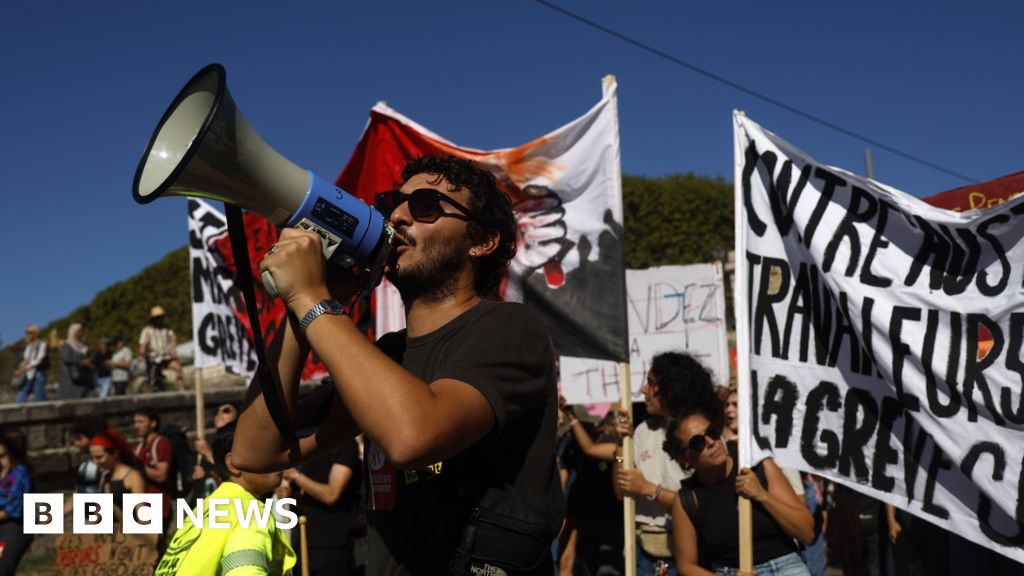
 BBC News
Workers across France strike over budget cut plans
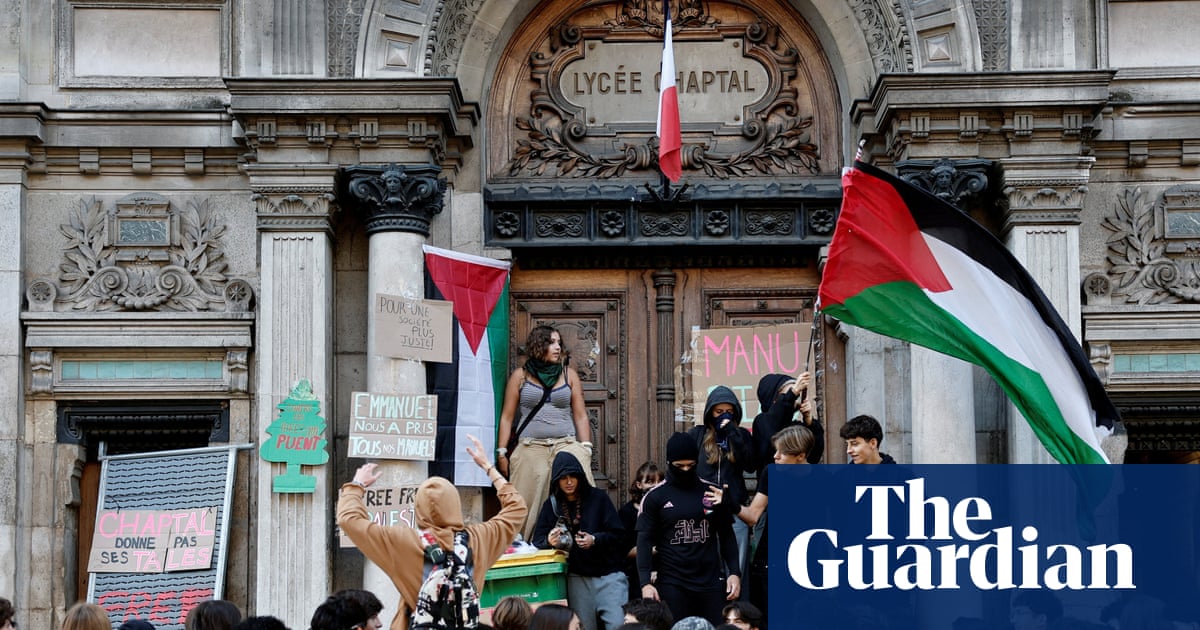
 The Guardian
France braces for day of strikes amid political crisis
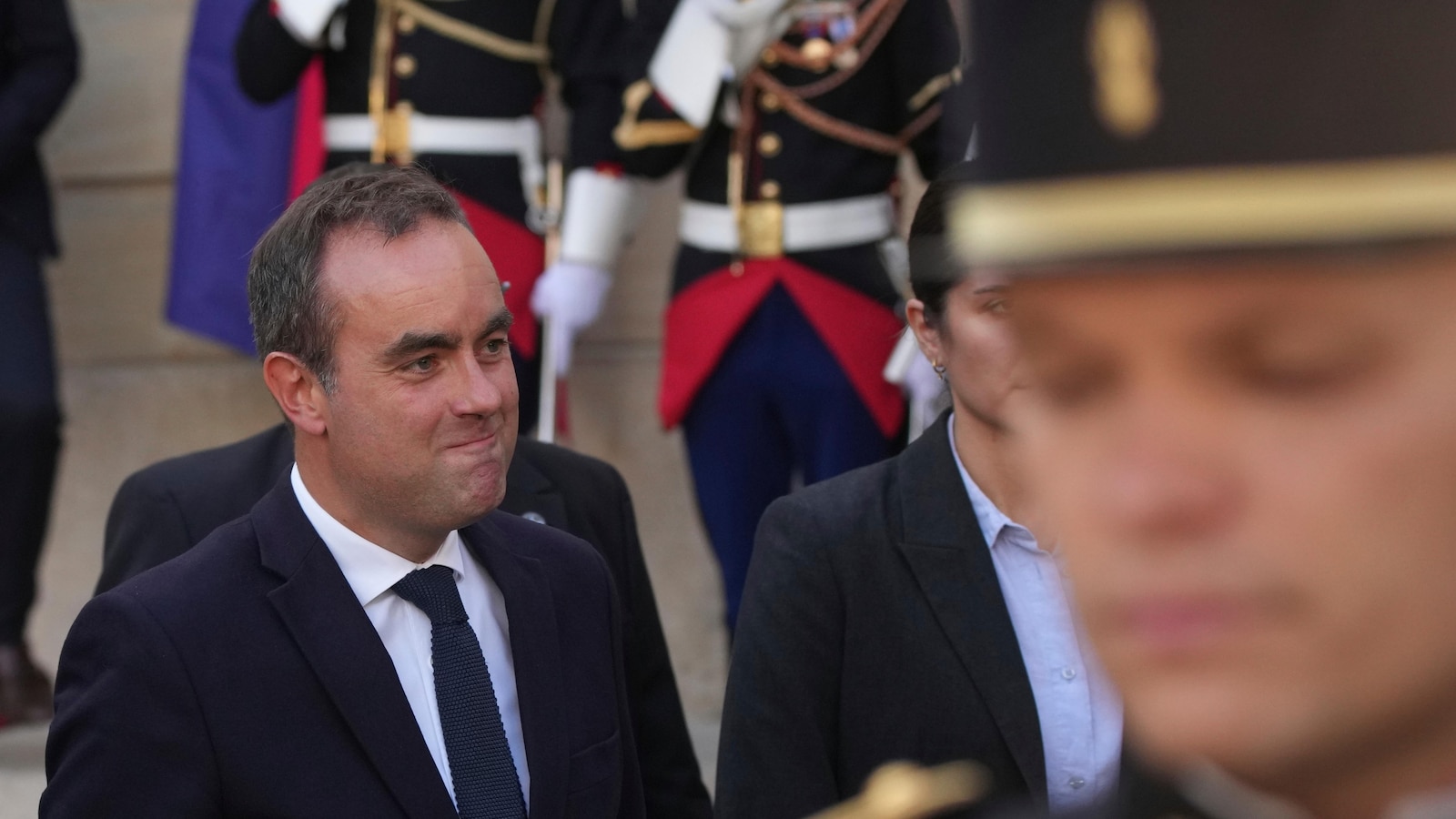
 ABC News
Day of strikes in France challenges new prime minister's budget plans

 Al Jazeera
France braces for mass protests as austerity plan deepens anti-Macron anger
Overview
Major trade unions in France have initiated nationwide mass strikes and demonstrations, mobilizing hundreds of thousands to protest the new prime minister's proposed budget plans.
Protesters voice anger over proposed budget cuts, social welfare freezes, and austerity measures, arguing they will negatively impact low-paid workers, retirees, and vulnerable groups.
Various sectors, including teachers, transport workers, hospital staff, and public sector employees, are actively participating, causing significant nationwide disruption, especially in transport services.
Opponents criticize Macron's leadership for the erosion of taxpayer-funded public services under his business-friendly policies, fueling widespread strikes and protests across the country.
In response to the widespread unrest and to maintain order, the French government has deployed 80,000 police officers across the country during the day of strikes.
Analysis
Center-leaning sources cover the French strikes by presenting a balanced view of the protests and the government's challenges. They detail union demands and protest actions while also explaining the economic context of budget cuts and the new prime minister's difficult political position, avoiding loaded language or selective emphasis.
FAQ
The proposed budget includes cuts to social welfare programs and freezes on benefits, which are expected to adversely affect low-paid workers, retirees, and vulnerable groups.
The strikes involve various sectors such as teachers, transport workers, hospital staff, and public sector employees, leading to significant disruptions, particularly in transportation services.
Trade unions argue that the budget's austerity measures and welfare cuts harm low-income and vulnerable populations and criticize the government's shift toward business-friendly policies that reduce taxpayer-funded public services.
To maintain public order during the widespread strikes and protests, the government has deployed 80,000 police officers across the country.
The protests have caused significant nationwide disruptions, especially impacting transport services and other public sectors such as education and healthcare.