Supreme Court Upholds Trump Administration's Foreign Aid Freeze
The Supreme Court upheld the Trump administration's freeze on nearly $4 billion in foreign aid, a temporary decision following legal challenges and marking a victory.

 NPR
NPRSupreme Court allows Trump to withhold $4 billion in foreign aid
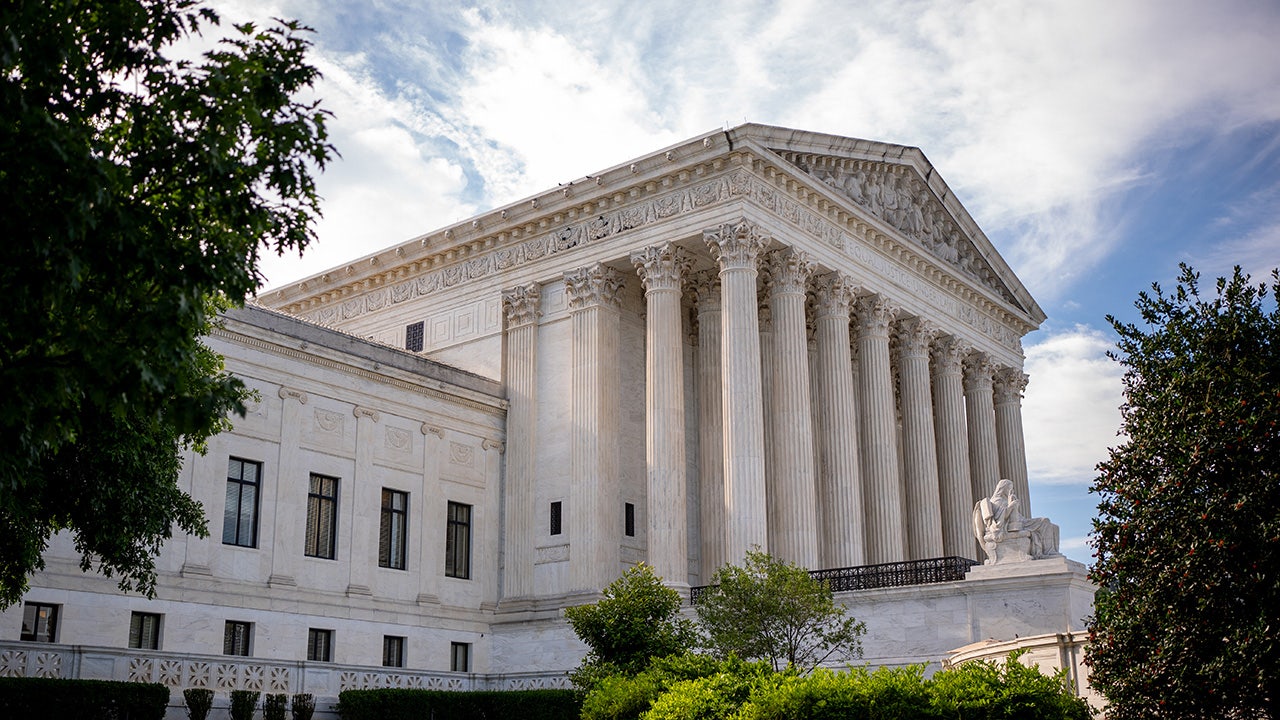
 FOX News
Supreme Court extends Trump administration's $5 billion foreign aid freeze amid ongoing legal challenge
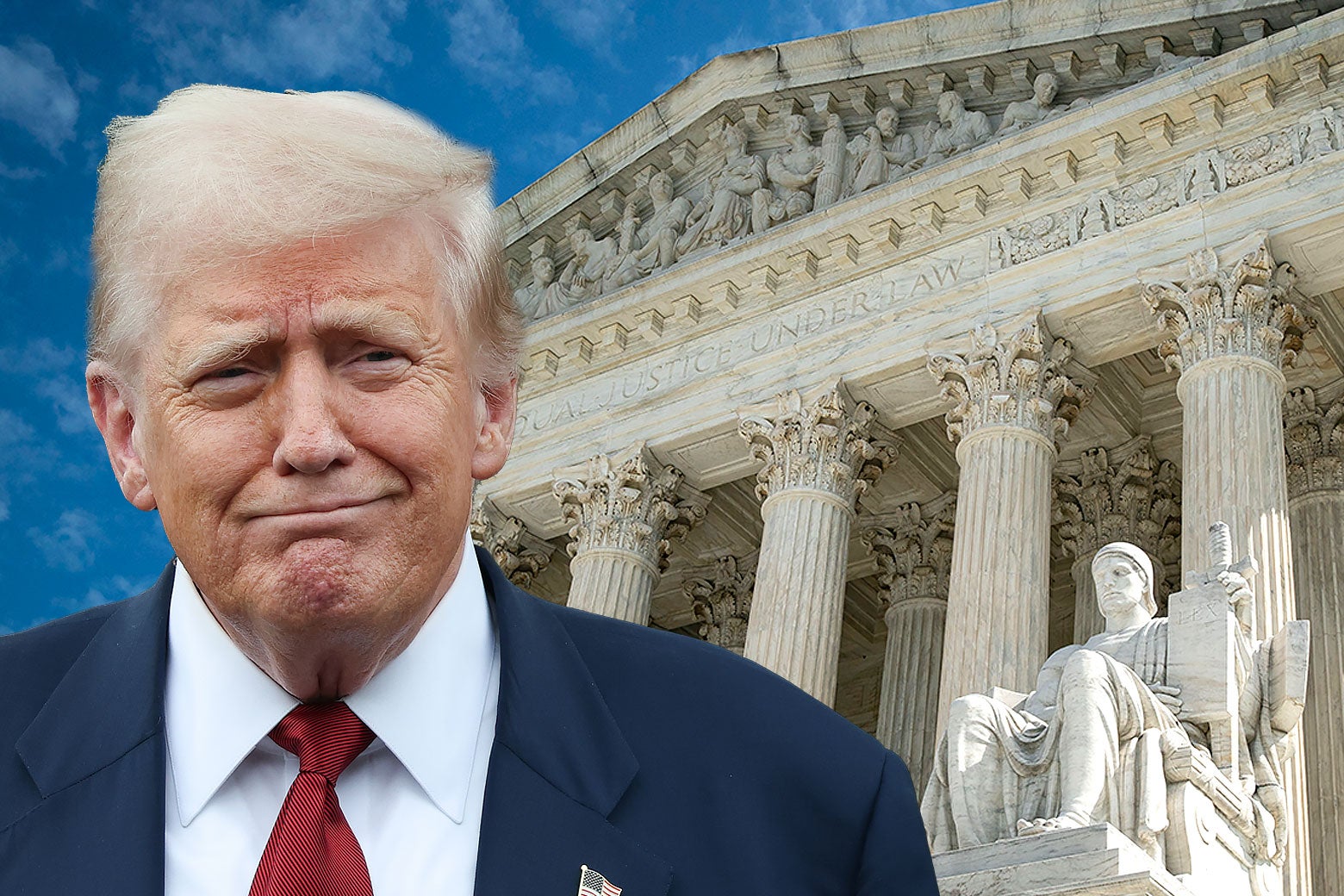
 Slate
SlateThe Supreme Court Just Rewrote the Constitution to Give Trump Terrifying New Powers
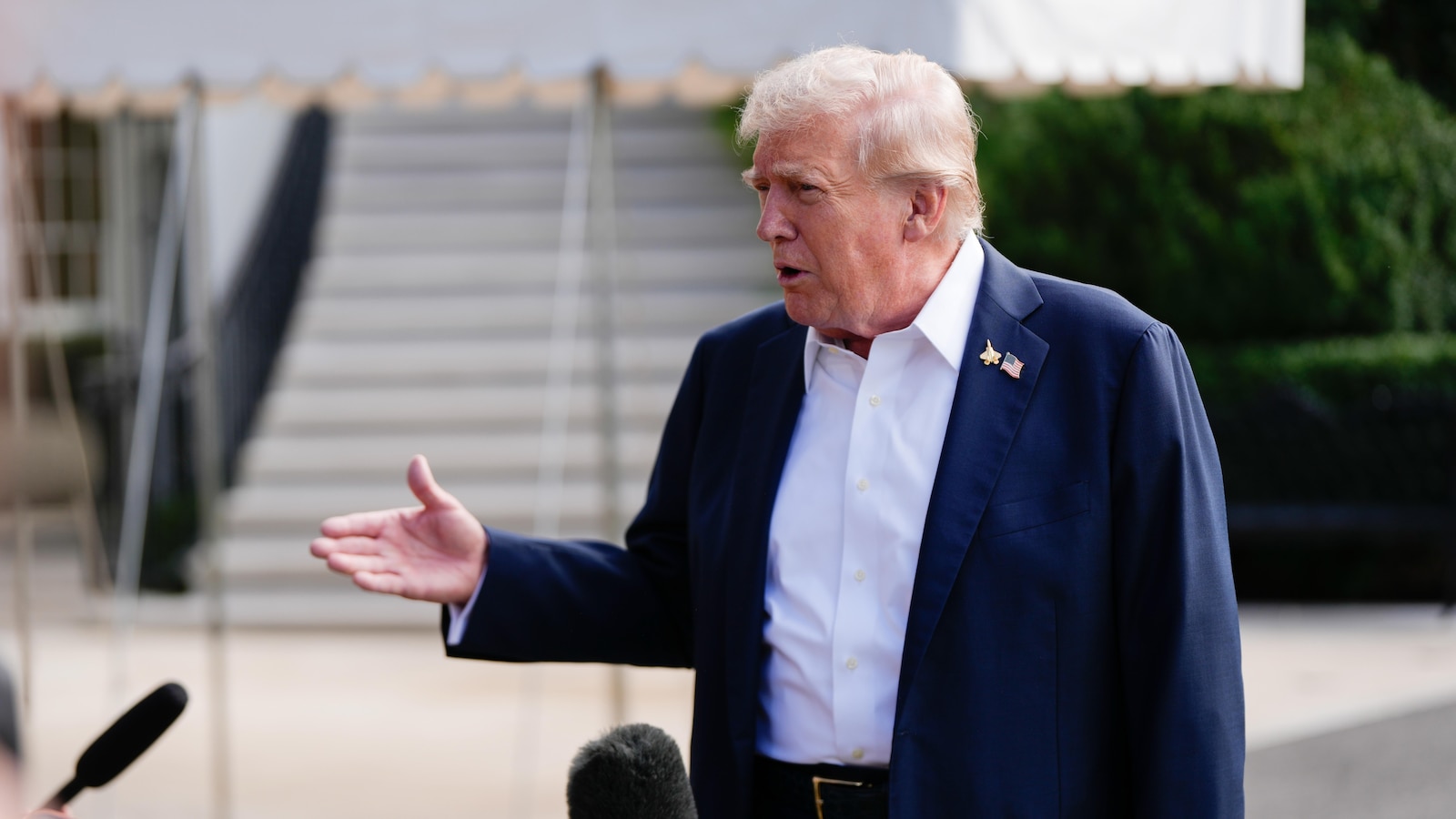
 ABC News
Supreme Court keeps in place Trump funding freeze that threatens billions of dollars in foreign aid
Overview
The Supreme Court granted the Trump administration's emergency appeal, allowing it to withhold approximately $4-5 billion in foreign aid funds that were approved by Congress.
This decision temporarily supports the Trump administration's policy of deep reductions to foreign aid, which was challenged by lower court rulings and nonprofit organizations.
The Justice Department sought the Supreme Court's intervention after lower courts deemed Trump's action likely illegal, citing violations of the Impoundment Control Act.
Three liberal justices, including Elena Kagan, dissented from the ruling, arguing it raised novel issues regarding the balance of power between the President and Congress.
While a significant victory for the White House, the Supreme Court clarified that this was not a final ruling, extending the freeze on funds set to expire by September 30.
Analysis
Center-leaning sources frame this story by highlighting the controversial nature of the Supreme Court's decision and the Trump administration's actions. They use evaluative language like "aggressively sought to exert its power" and "legally questionable tactic" to portray executive overreach. The coverage emphasizes criticisms from legal experts and Democrats, and the "unprecedented" nature of the court's rulings, suggesting a pattern of undermining established norms.
FAQ
The Supreme Court granted the Trump administration's emergency appeal after lower courts ruled that withholding the aid was likely illegal, temporarily allowing the freeze while the legality of the action is further considered. The decision invoked a disputed presidential authority last used about 50 years ago and involved the Impoundment Control Act dispute.
The court's conservative majority granted the emergency appeal to keep the aid frozen, while the three liberal justices, including Elena Kagan, dissented, expressing concerns about the balance of power between the President and Congress and raising novel constitutional questions.
The freeze on the approximately $4-5 billion in foreign aid funds is temporary, extended by the Supreme Court to last at least until September 30, with no final ruling yet on the legality of the freeze itself.
The Supreme Court has previously allowed the Trump administration to win emergency appeals involving contentious policies such as stripping legal protections from migrants, firing federal employees, ousting transgender military members, and removing heads of independent agencies. These emergency appeals expedite court decisions but are not final rulings.
The ruling raises significant constitutional questions regarding presidential authority to withhold congressionally approved funds without Congressional approval, spotlighting tensions in the separation of powers. The dissenting justices argued this disrupts the balance between executive and legislative branches.