French Caretaker PM Lecornu Seeks Budget Deal Amid Coalition Talks to Avert Snap Elections
Caretaker French Prime Minister Sebastien Lecornu seeks a budget deal and coalition to avert snap elections, navigating opposition from far-right and radical left parties.
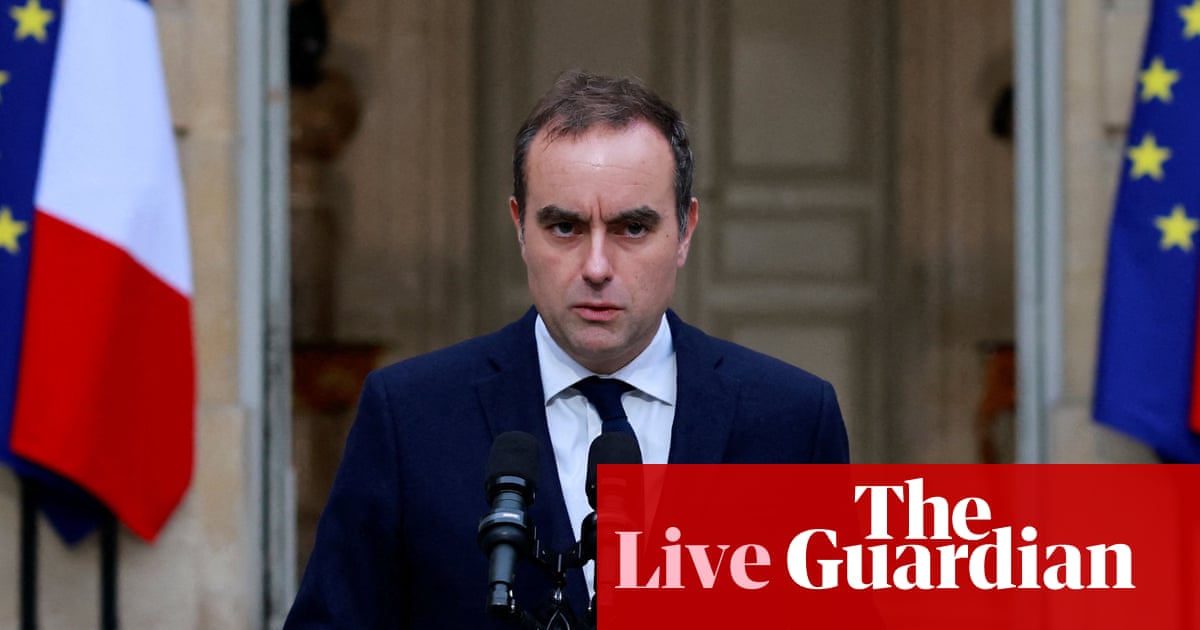
 The Guardian
Outgoing French PM says ‘there is desire’ to agree budget and talks down prospect of snap election – Europe live
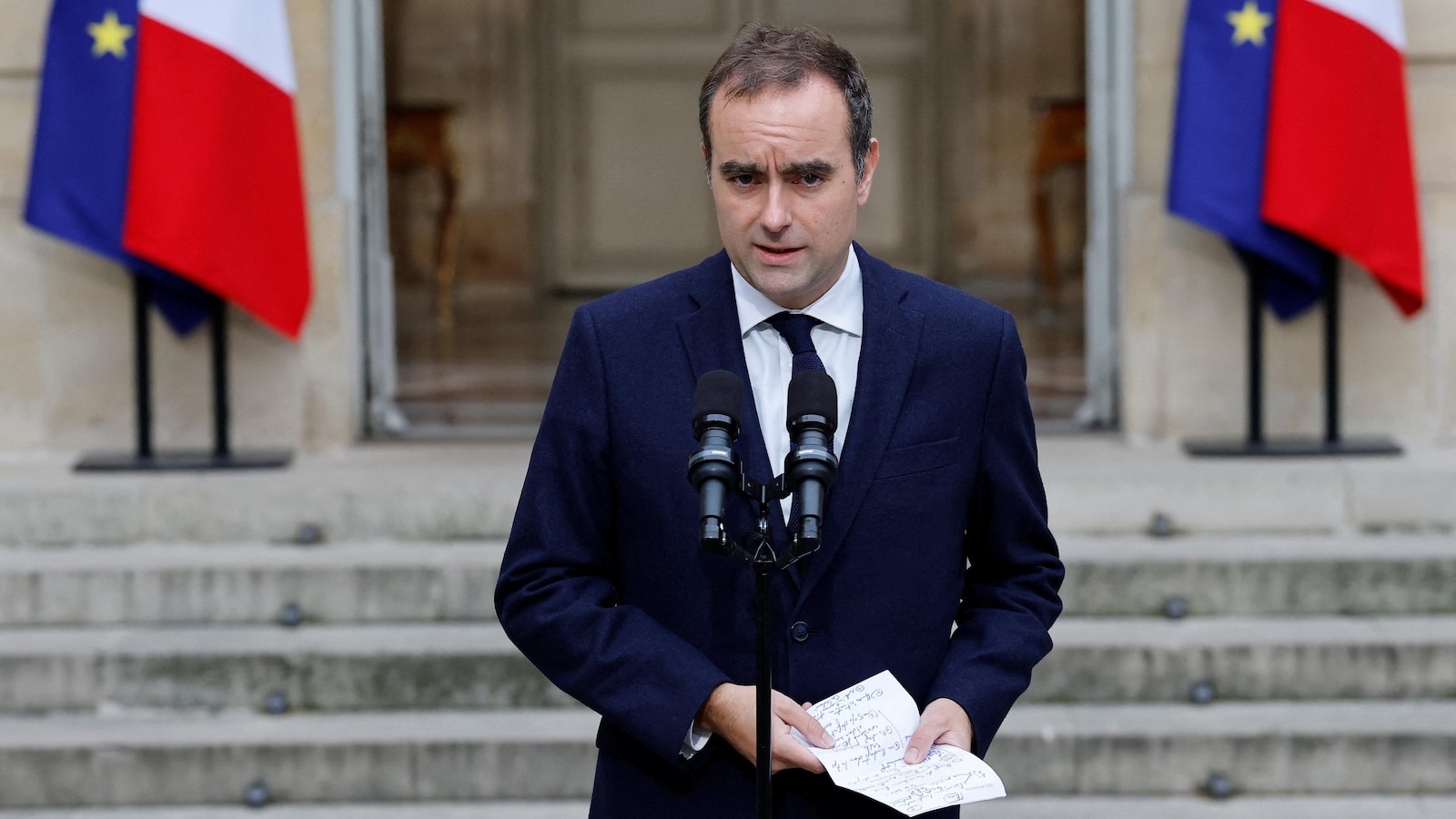
 ABC News
After Lecornu’s fall, all eyes on Macron’s next move with France in political turmoil

 Al Jazeera
France’s outgoing PM Lecornu hints at budget deal amid political turmoil
 The Guardian
Outgoing French PM hopeful for concessions to avoid snap elections
Overview
Caretaker French Prime Minister Sebastien Lecornu is engaged in discussions with various political parties to forge a coalition government and secure a crucial budget deal.
Lecornu, who recently resigned after less than a month in office, remains optimistic about reaching an agreement to present to President Macron.
Far-right leaders have rejected talks with Lecornu, instead advocating for immediate snap parliamentary elections to resolve the current political deadlock.
Both the far-right National Rally and the radical left France Unbowed have pledged to support a vote of no confidence against any new government formed.
Despite the political challenges, Lecornu believes that the likelihood of snap parliamentary elections in France is diminishing as negotiations progress.
Analysis
Center-leaning sources frame this story around a significant political crisis in France, emphasizing President Macron's precarious position and limited options. They use language that highlights instability and the challenges he faces, portraying him as needing to "dig himself out of the crisis" amidst "political turmoil" and "growing isolation."
FAQ
Sebastien Lecornu is serving as caretaker prime minister after resigning from the role following just 26 days in office, which is the shortest tenure ever for a French prime minister under the Fifth Republic. He remains in office to ensure continuity of government until a new prime minister is appointed and a new government is formed, though the exact duration is uncertain and depends on political negotiations[1].
Both the far-right National Rally and the radical left France Unbowed parties are opposing Lecornu's efforts to form a coalition government. They have rejected talks with him and instead advocate for snap parliamentary elections. Both parties have also pledged to support a vote of no confidence against any new government formed.
Budget negotiations are ongoing, with Lecornu seeking a deal among various parties to avoid triggering snap elections. Progress in these talks has led Lecornu to believe that the likelihood of early parliamentary elections is decreasing, as reported by RFI[3].
Lecornu has named a new government composed mostly of familiar faces, indicating continuity rather than a major reshuffle, though this was before his resignation and transition to caretaker status[2].
Emmanuel Macron appointed Lecornu as Prime Minister after the previous government fell to a no-confidence vote and has tasked him with leading negotiations to form a new coalition and secure a budget deal. The ultimate decision on whether to call snap elections or endorse a new government will ultimately rest with Macron, although current reports suggest he is not inclined toward early elections if a deal can be reached.