French Prime Minister Survives No-Confidence Votes Amidst Budget Challenges and Key Promise
French Prime Minister Sébastien Lecornu survived no-confidence votes, leading a minority government. He promised not to use Article 49.3 for the budget, facing fiscal challenges.
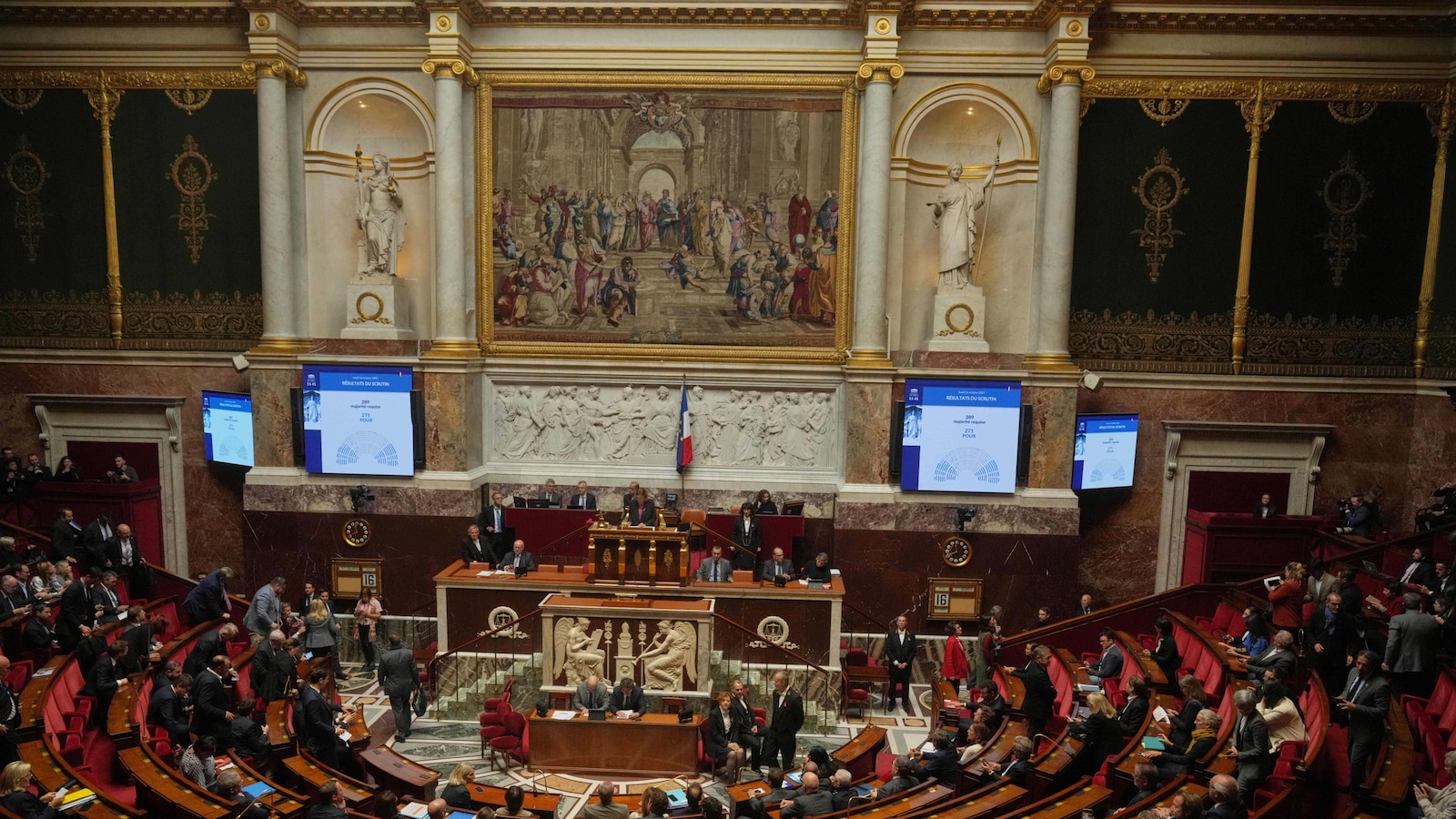
 ABC News
France steps back from the brink as parliament spares the prime minister. For now
 Associated Press
France steps back from the brink as parliament spares the prime minister. For now
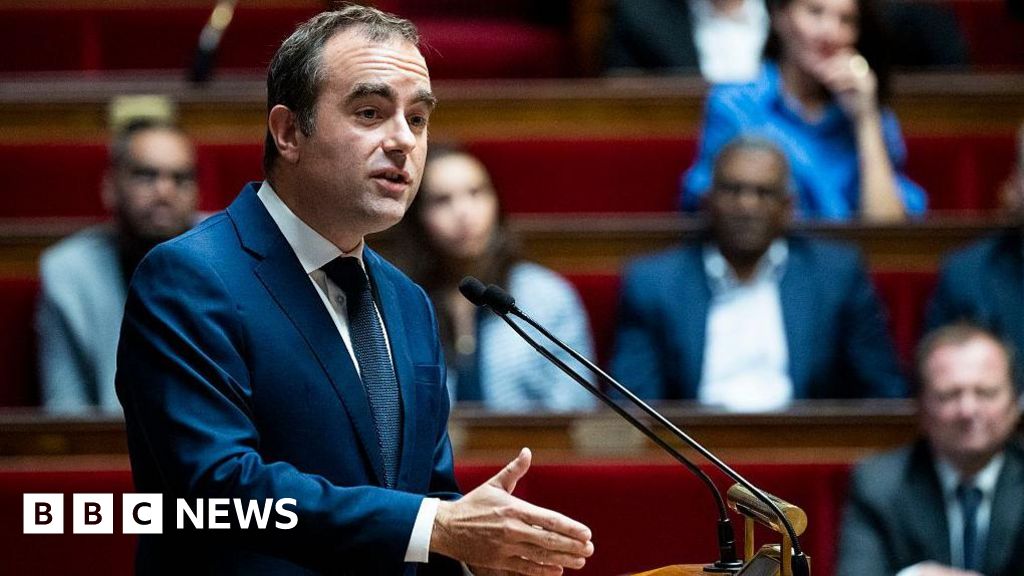
 BBC News
French PM Lecornu survives confidence votes but breathing space will not last long

 Al Jazeera
French PM Lecornu survives no-confidence parliament vote, now eyes budget
Overview
French Prime Minister Sébastien Lecornu successfully survived consecutive no-confidence votes initiated by hard-left and far-right parties, easing the country's latest political crisis.
Lecornu leads a minority government in a fragmented parliament, facing significant governance challenges and existential questions regarding France's political machinery.
He secured his position by proposing to suspend the unpopular 2023 pension reform, which is estimated to cost €400 million next year and €1.8 billion in 2027.
A crucial development is Lecornu's promise not to use Article 49.3, a constitutional device, to pass the upcoming budget without a parliamentary vote.
Despite averting immediate collapse, the Prime Minister faces ongoing challenges to pass the 2026 budget and address France's growing deficit and debt.
Analysis
Center-leaning sources frame this story by emphasizing France's ongoing political instability and the challenges facing President Macron's minority government. They use evocative language to portray a nation "stumbling from crisis to crisis" with a political "machinery grinding against its design," highlighting the precariousness of governance and the constant threat of collapse.
FAQ
France’s minority government, led by Prime Minister Sébastien Lecornu, operates in a deeply fragmented parliament following early elections called by President Macron, resulting in no party or bloc holding a majority. This makes it extremely difficult to build consensus on controversial measures, especially regarding budget cuts and tax policies. The government must negotiate with multiple opposition groups, each with competing demands, while facing public unrest and the threat of further strikes and protests over austerity measures[1][4][6]. Passing a budget requires delicate political maneuvering and risks triggering new no-confidence votes.
Prime Minister Lecornu’s promise not to use Article 49.3—a constitutional mechanism allowing the government to pass legislation without a parliamentary vote—reflects both political pressure and a strategic attempt to rebuild trust with opposition parties and the public. This device has been widely criticized as anti-democratic and was a flashpoint in recent political crises. By renouncing its use, Lecornu signals openness to negotiation but also accepts the risk that the budget may not pass if consensus cannot be reached, potentially leading to further government instability[1].
While the article does not detail specific measures in the 2026 budget, Prime Minister Lecornu has publicly emphasized the need to control public spending, find alternative financing sources (rather than cutting public holidays), and possibly increase taxes on the wealthiest, though such measures face resistance from conservative allies. The budget must balance demands for social spending, energy transition, and public investment with the urgent need to reduce the deficit—a task complicated by the suspension of the pension reform, which alone is estimated to cost €400 million next year and €1.8 billion by 2027. The government’s ability to deliver a credible plan will be critical to stabilizing France’s fiscal position and maintaining investor confidence[1].
Public opinion in France is deeply pessimistic, with polls showing only 9% of French voters consider the economic situation good, far lower than in neighboring countries. There is widespread skepticism about the government’s ability to negotiate with opposition parties and pass a budget. Civil society has responded with nationwide strikes and protests against proposed budget cuts, reflecting broader discontent with austerity measures and the political stalemate. The government’s fragility is exacerbated by this lack of public confidence and the threat of further social mobilization[1].
Failure to pass a budget by year-end could trigger a constitutional crisis, as the government would lack the legal authority to collect taxes and allocate public spending. This scenario would likely force President Macron to either dissolve the National Assembly and call new legislative elections—risking further political fragmentation—or resign. The resulting uncertainty could destabilize financial markets, increase borrowing costs, and deepen France’s economic challenges. Prime Minister Lecornu has framed passing a budget as an urgent national priority to avoid such outcomes[3].

