Admiral Holsey Resigns Amid Controversial CIA Operations in Venezuela
Admiral Alvin Holsey's retirement follows President Trump's approval of CIA operations in Venezuela, raising concerns over military actions against drug cartels.
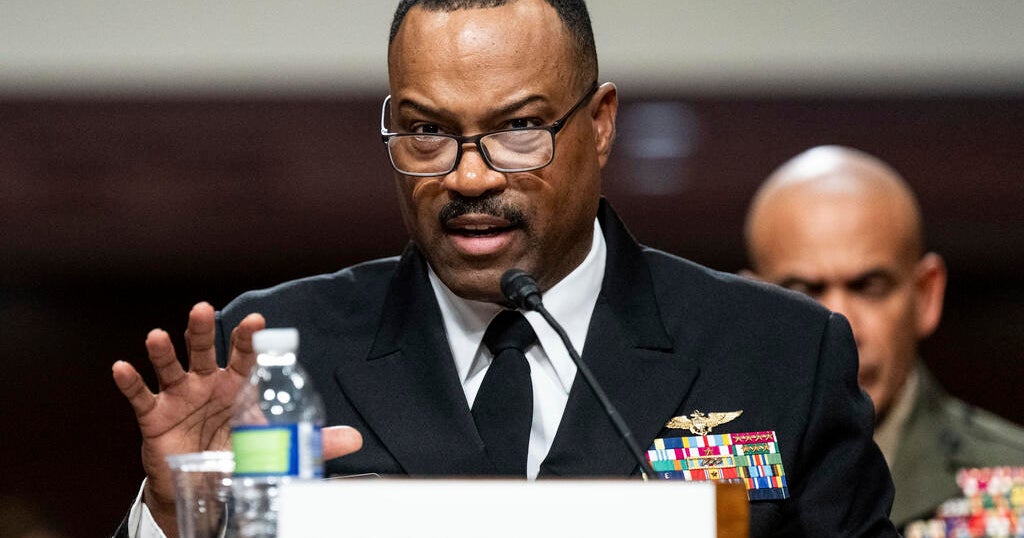
 CBS News
U.S. military commander who oversaw strikes against alleged drug boats will retire
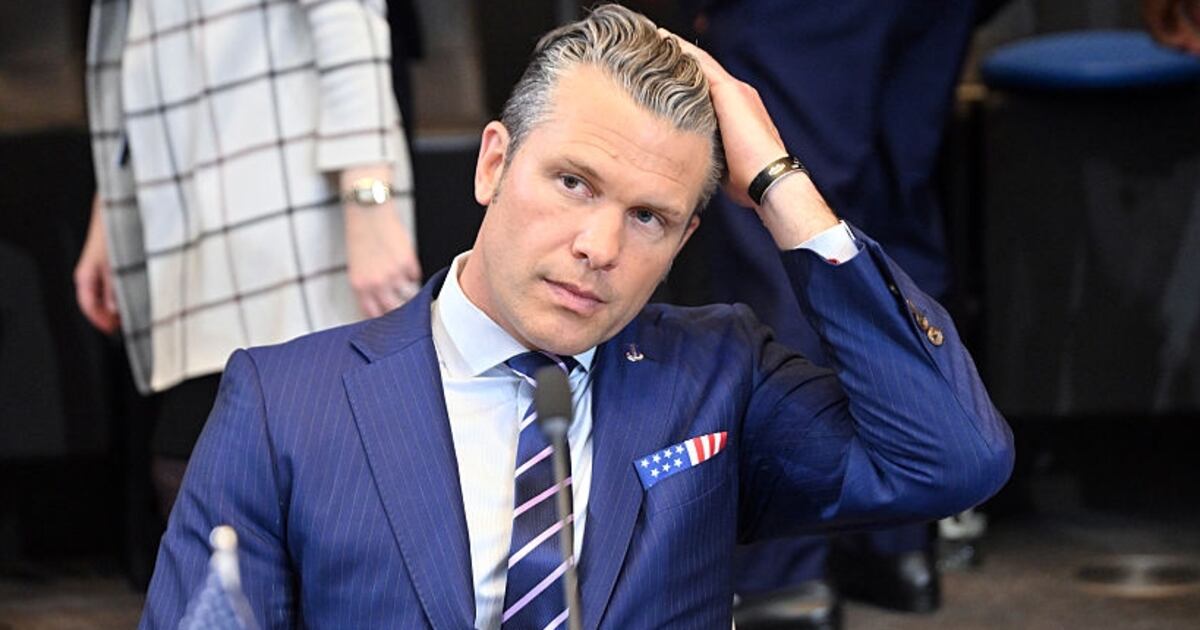
 Daily Beast
Pentagon Pete Hegseth Mysteriously Loses Another Top Military Officer

 New York Daily News
Navy commander steps down, U.S. strike on Venezuelan boat leaves survivors
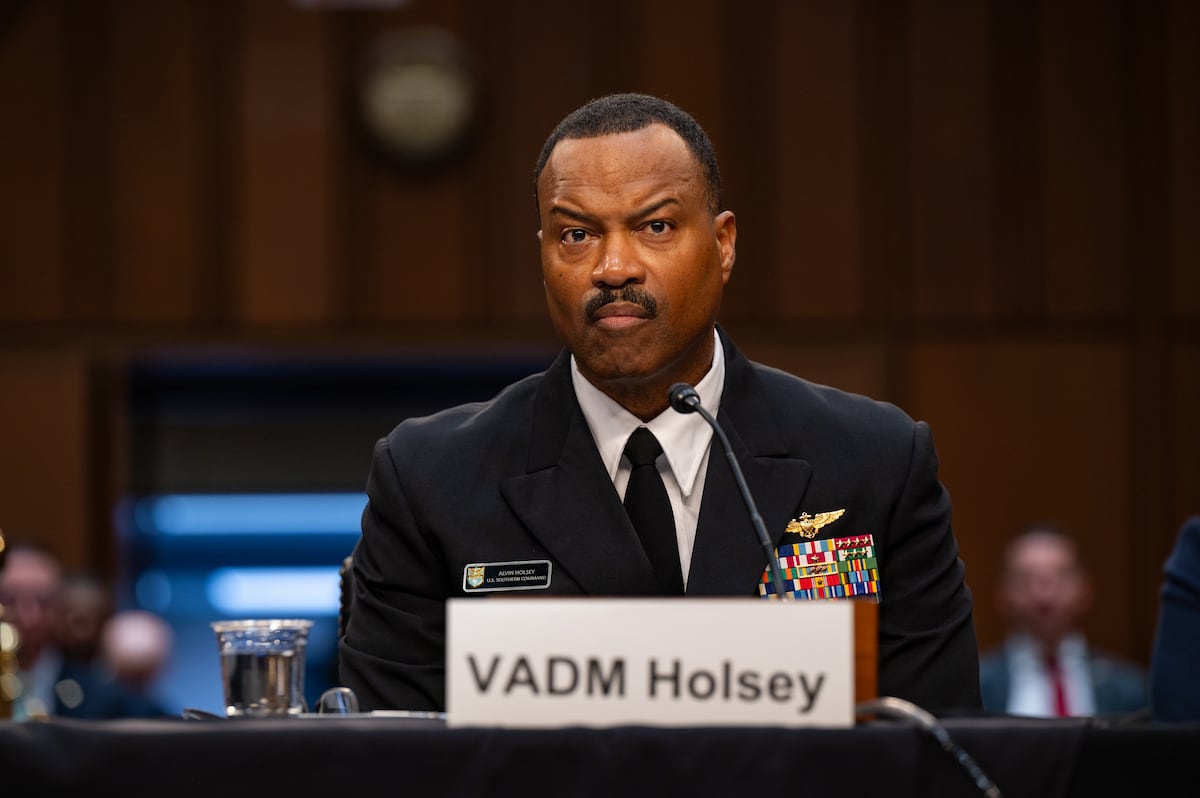
 Military Times
US Navy commander overseeing Venezuelan boat strikes steps down
Overview
Admiral Alvin Holsey announced his retirement from the U.S. Navy, effective by the end of the year, amid rising tensions in Venezuela.
His resignation comes after President Trump approved CIA covert operations targeting Venezuelan narco-terrorist groups and drug cartels.
Holsey oversaw military strikes against alleged drug boats, a key component of Trump's drug war strategy in the Caribbean.
The U.S. administration defends these military actions as necessary non-international armed conflicts against drug trafficking.
Holsey's departure reflects growing frustration in Congress over military missions in Central and South America, particularly concerning non-military targets.
Analysis
Center-leaning sources cover this story neutrally, presenting factual information about Adm. Alvin Holsey's departure and the context surrounding it without apparent bias. They attribute claims and provide background on both the administration's actions and reported concerns, allowing readers to form their own conclusions. The reporting focuses on conveying information rather than shaping a specific narrative.
FAQ
The CIA operations in Venezuela involved covert actions targeting narco-terrorist groups and drug cartels, aiming to combat drug trafficking as part of a broader drug war strategy in the Caribbean.
The article does not provide explicit reasons for Admiral Holsey's retirement, but it mentions rising tensions and growing frustration in Congress over military missions in Central and South America.
The implications of these operations could include increased tensions and potential instability in the region, as they are part of broader U.S. military strategies that may be perceived as aggressive by local governments and populations.
