James Comey Seeks Dismissal of Criminal Charges, Citing Vindictive Prosecution
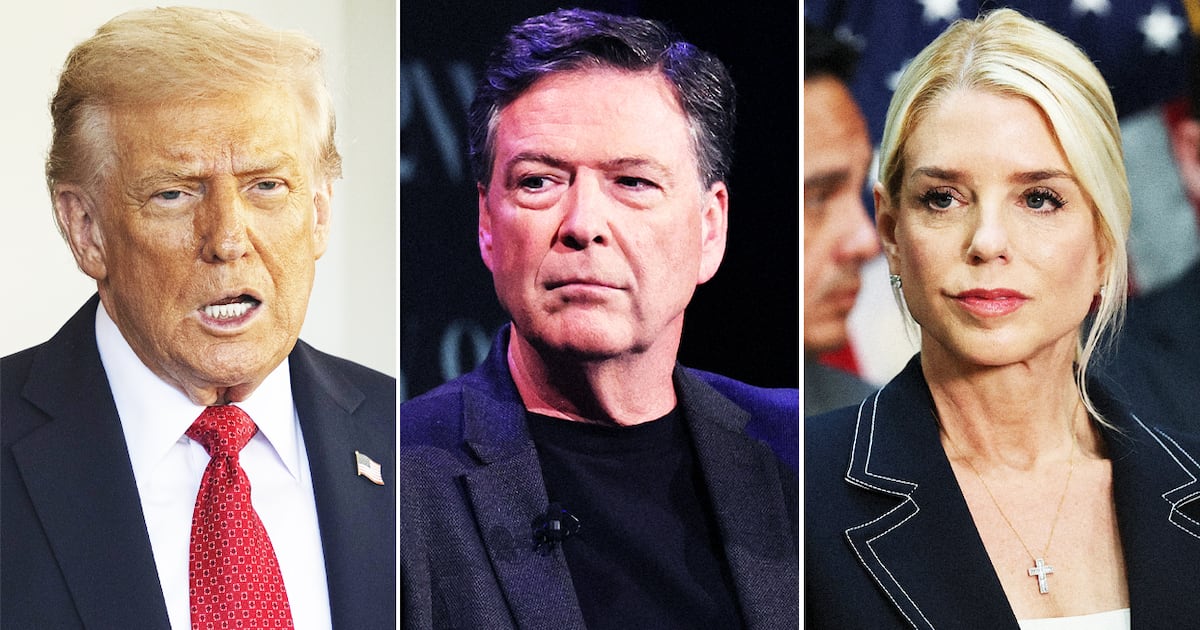
Former FBI Director James Comey is seeking to dismiss criminal charges of false statements and obstruction, arguing the case is a vindictive and selective prosecution driven by President Trump's personal animus.
 Daily Beast
Comey Uses Trump’s Bondi Rant to Show Why Case Should be Tossed

 Chicago Tribune
James Comey’s lawyers say case against him is driven by Trump’s ‘personal animus’ and must be thrown out

 Daily Caller
Comey Thinks He'd Be Off The Hook If It Weren't For Trump's Personal 'Animosity'
 MSNBC
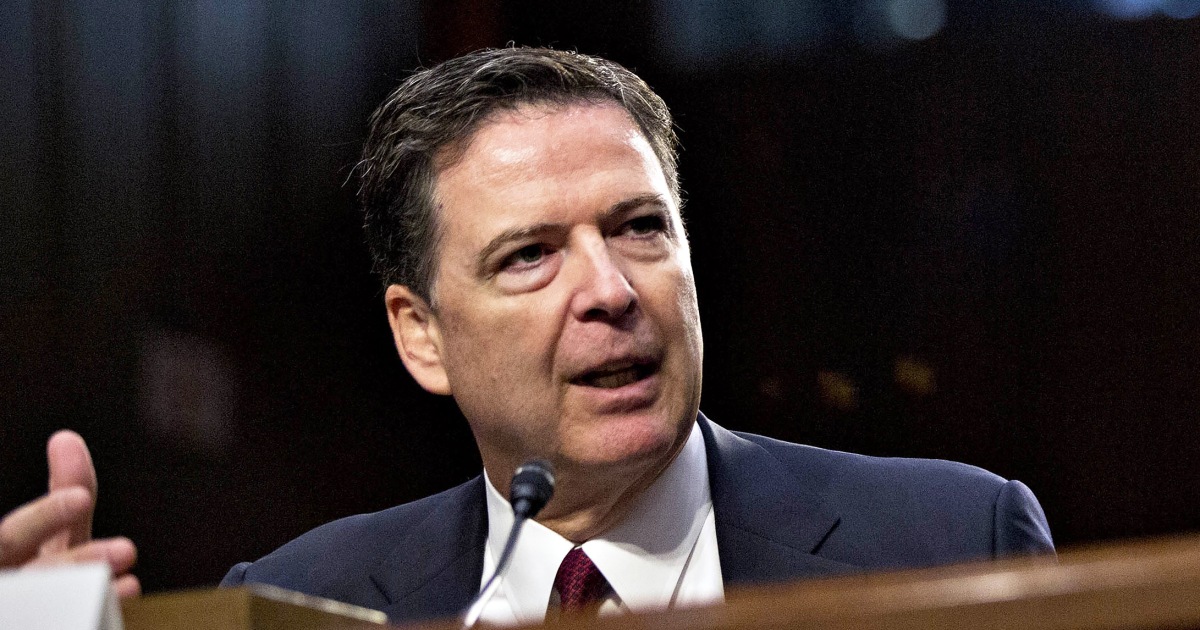
MSNBCJames Comey moves to dismiss case based on ‘vindictive’ and ‘selective’ prosecution
Overview
Former FBI Director James Comey faces charges of making false statements to Congress and obstruction of justice, to which he has pleaded not guilty.
Comey's legal team is seeking to dismiss the criminal case, alleging it constitutes "vindictive and selective prosecution" influenced by President Trump's personal animosity.
Defense lawyers argue the case is flawed due to the unlawful appointment of U.S. Attorney Lindsey Halligan, who secured the indictment shortly after being selected by Trump.
The defense cites President Trump's public calls for Comey's prosecution and celebration of his indictment as evidence of the vindictive nature of the case.
Federal prosecutors have raised concerns about potential conflicts of interest within Comey's defense team, which could lead to the disqualification of his lead counsel.
Analysis
Center-leaning sources frame this story by extensively detailing James Comey's defense arguments regarding "vindictive prosecution" and an "unlawfully appointed" prosecutor. They emphasize contextual information like the prosecutor's ties to Trump, reported skepticism from a predecessor, and Trump's social media posts, which collectively bolster the defense's narrative of political motivation and procedural impropriety.
FAQ
James Comey has been indicted on two charges: making false statements to Congress and obstruction of a congressional proceeding. These charges relate to his 2020 testimony before the Senate Judiciary Committee regarding whether he authorized a leak to The Wall Street Journal during the FBI's investigation into Russian interference in the 2016 election.
Comey's defense argues that the prosecution is vindictive and selective, driven by personal animus from President Trump. They also claim the case is flawed due to the unlawful appointment of U.S. Attorney Lindsey Halligan, a Trump loyalist who secured the indictment shortly after being installed.
President Trump publicly called for the Justice Department to prosecute Comey and other political opponents, celebrated Comey's indictment as 'JUSTICE FOR AMERICA!', and pressured officials to pursue charges, including pushing for the replacement of the interim U.S. Attorney with a loyalist to expedite indictments.
Federal prosecutors have expressed concerns about conflicts of interest within Comey's defense team, which may lead to the disqualification of his lead counsel.
James Comey has pleaded not guilty to the charges, and his trial is scheduled for January 5, 2026.