Peru Declares 30-Day State of Emergency in Lima and Callao Amid Rising Crime and Protests
Peru's president declared a 30-day state of emergency in Lima and Callao to combat a surge in crime, including homicides and extortions, and ongoing anti-government demonstrations.
 Associated Press
Military and police patrol streets of Peru’s capital as state of emergency begins
 World News Group
Peruvian president declares emergency amid crime, protests
 Epoch Times
Peru Declares 30-day State of Emergency in Lima to Tackle Rising Crime

 Al Jazeera
Video: Peru declares 30-day state of emergency in Lima amid rising crime
Overview
Peru's president declared a 30-day state of emergency for the capital, Lima, and the port city of Callao, specifically addressing a significant rise in crime.
The emergency aims to combat a surge in violence, including 1,690 homicides from January to September, an increase from 2024, alongside a rise in extortions.
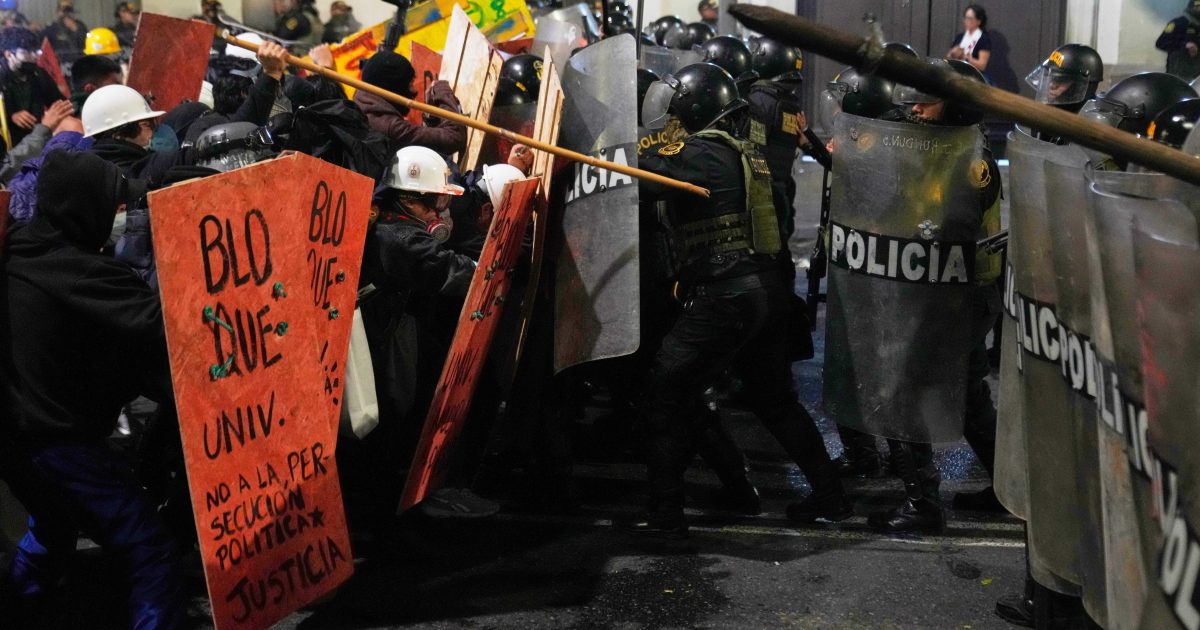
Ongoing anti-government protests demanding the president's resignation have also fueled unrest, resulting in one death and over 100 injuries in the past week.
This measure allows for the potential deployment of soldiers to assist police in patrolling streets, aiming to curb escalating crime rates and maintain public order.
The government also gains authority to restrict constitutional rights, such as freedom of assembly, to effectively manage the complex public security situation.
Analysis
Center-leaning sources neutrally cover Peru's state of emergency, detailing its provisions and President Jerí's rationale. They include public skepticism, historical context of similar ineffective measures, and rising crime statistics. The reporting presents various facets of the situation, including protest violence, through factual language and balanced information, avoiding overt editorial judgment or loaded terms.
FAQ
During a state of emergency in Peru, authorities can restrict freedom of movement, monitor correspondence, conduct searches and seizures, and detain persons of interest. They may also limit freedom of assembly to manage public security.
Visitors are advised to avoid areas where demonstrations and large gatherings are taking place, follow instructions from local authorities, and monitor local media for updates on the situation, as protests can disrupt travel and public services.
The protests are driven by demands for the president's resignation amid broader dissatisfaction with the government, though the news summary does not specify the exact grievances prompting the protests.
The current state of emergency is declared for 30 days in Lima and Callao, but authorities have the power to extend it if the security situation does not improve.
The government is deploying soldiers to assist police in patrolling the streets, aiming to curb crime rates. The state of emergency also grants authorities enhanced powers to restrict certain rights to maintain public order.
