Senate Gridlock Leaves Federal Workers Unpaid Amid Deepening Government Shutdown
The Senate rejected bills to pay federal workers and troops, deepening the government shutdown. Republicans and Democrats blame each other, leaving essential services and employees unpaid.

 NPR
NPREffort to pay at least some federal workers fails in Senate
 Associated Press
Senate rejects bills to pay federal workers during government shutdown
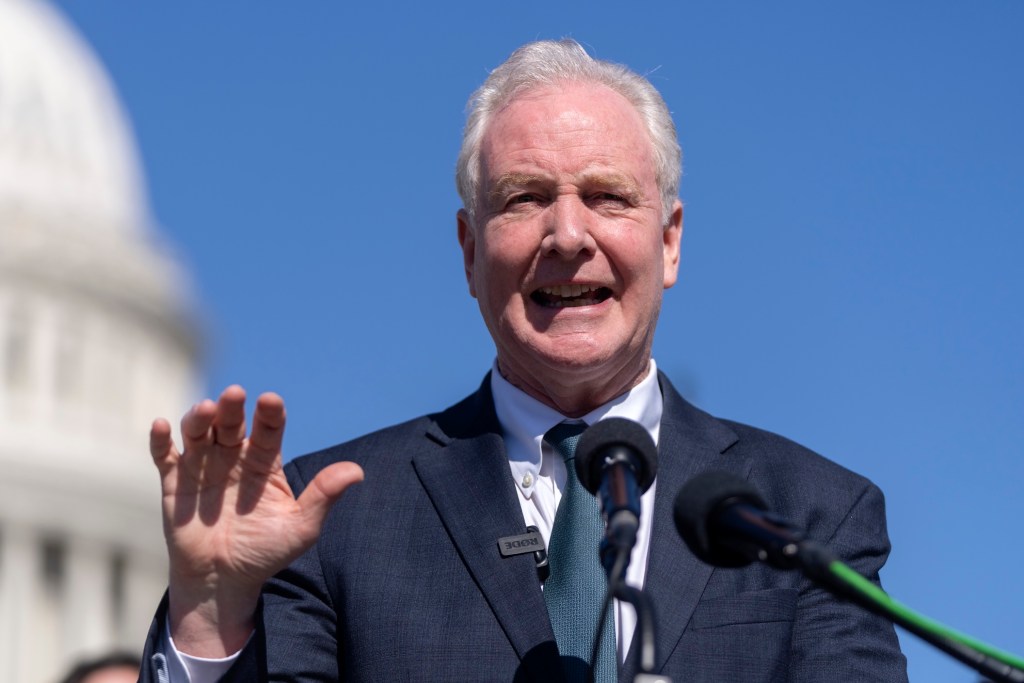
 Washington Examiner
Senate Democrats tank shutdown vote on pay for federal workers
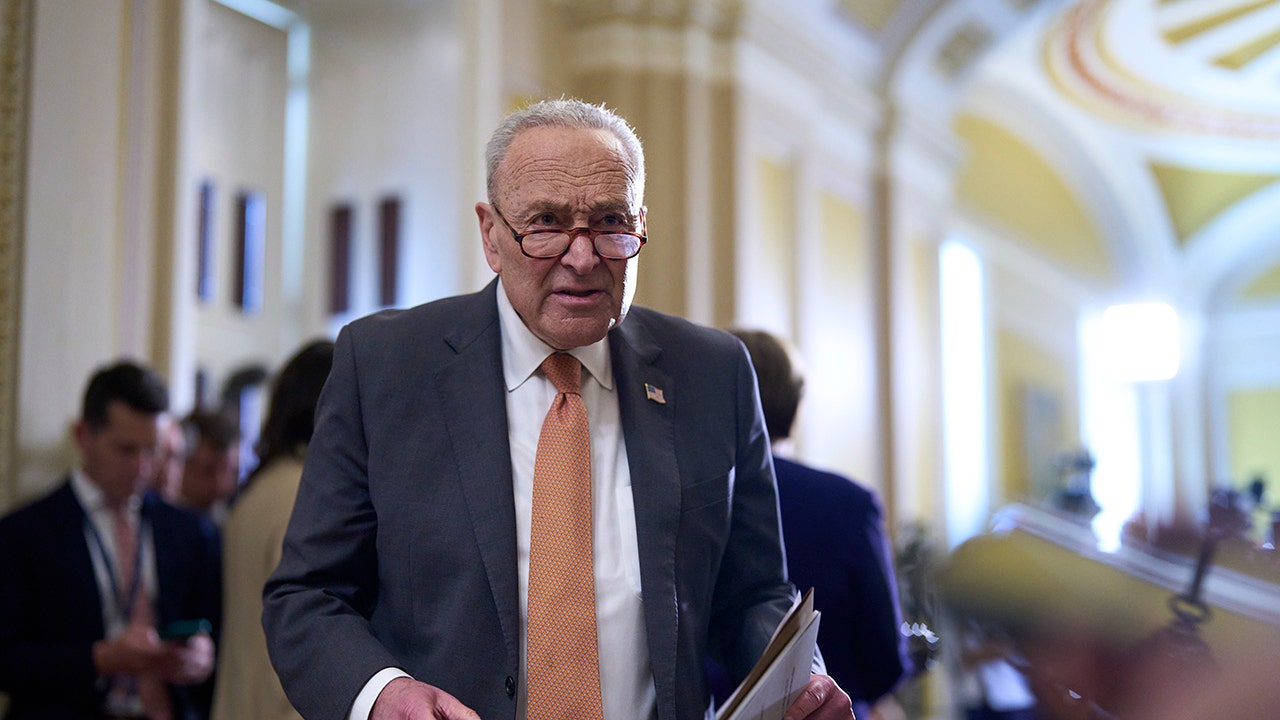
 FOX News
Essential workers left unpaid after Senate Democrats kill pay bill
Overview
The Senate rejected multiple bills aimed at paying federal workers and troops, leaving many facing their first missed paycheck during the ongoing government shutdown.
Republicans and Democrats are deflecting blame; Democrats demand ACA subsidy negotiations before reopening government, while Republicans insist on a vote to reopen first.
Both parties' proposals, including a Republican bill to pay 'excepted' workers and Democratic efforts to pay all federal employees, failed to pass in the Senate.
Essential federal employees continue working without pay, while critical programs like federal food, heating assistance, and Head Start face potential depletion of funds.
The legislative gridlock has deepened the second-longest government shutdown in U.S. history, with Senate Republicans now pushing for a short-term spending extension.
Analysis
Center-leaning sources cover this story neutrally, focusing on reporting the facts of the legislative process and the ongoing government shutdown. They present a balanced account of both Republican and Democratic positions, attributing partisan rhetoric directly to the sources. The coverage outlines the political impasse and the tangible impacts on federal workers and services without injecting overt editorial bias or loaded language.
FAQ
The Senate's rejection stems from political disagreements: Democrats want negotiations on ACA subsidies before reopening the government, while Republicans demand a vote on reopening first, leading to a legislative deadlock.
Essential federal employees continue to work without pay, many facing their first missed paycheck as the shutdown prolongs.
Critical programs such as federal food assistance, heating assistance, and Head Start face potential depletion of funds amid the shutdown.
Senate Republicans are pushing for a short-term spending extension as a temporary measure to ease the government shutdown.
The shutdown has become the second-longest government shutdown in U.S. history.
