White House East Wing Demolished for New Ballroom Amid Growing Criticism
The White House East Wing was demolished for a new 90,000-square-foot underground ballroom, sparking criticism from politicians and preservationists over transparency, heritage, and naming.
 NBC News
How the scope of Trump's White House ballroom plans has expanded: From the Politics Desk
 World News Group
White House fends off criticism of new ballroom construction

 New York Daily News
Trump expected to name White House ballroom after himself: report

 FOX News
White House responds to reports Trump named new ballroom after himself
Overview
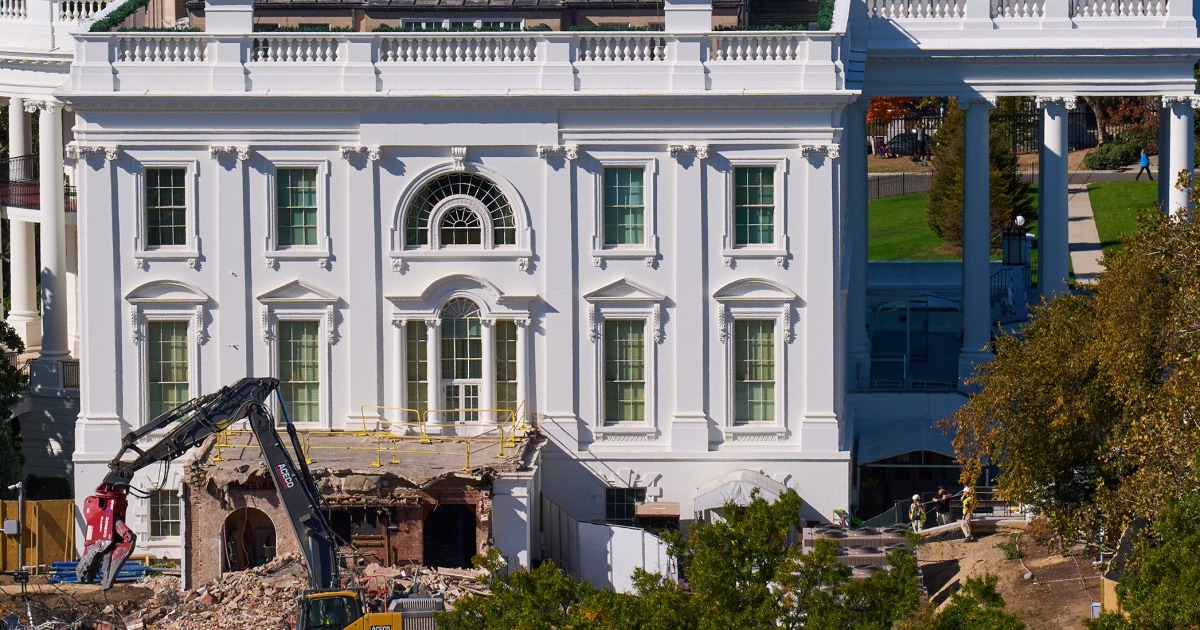
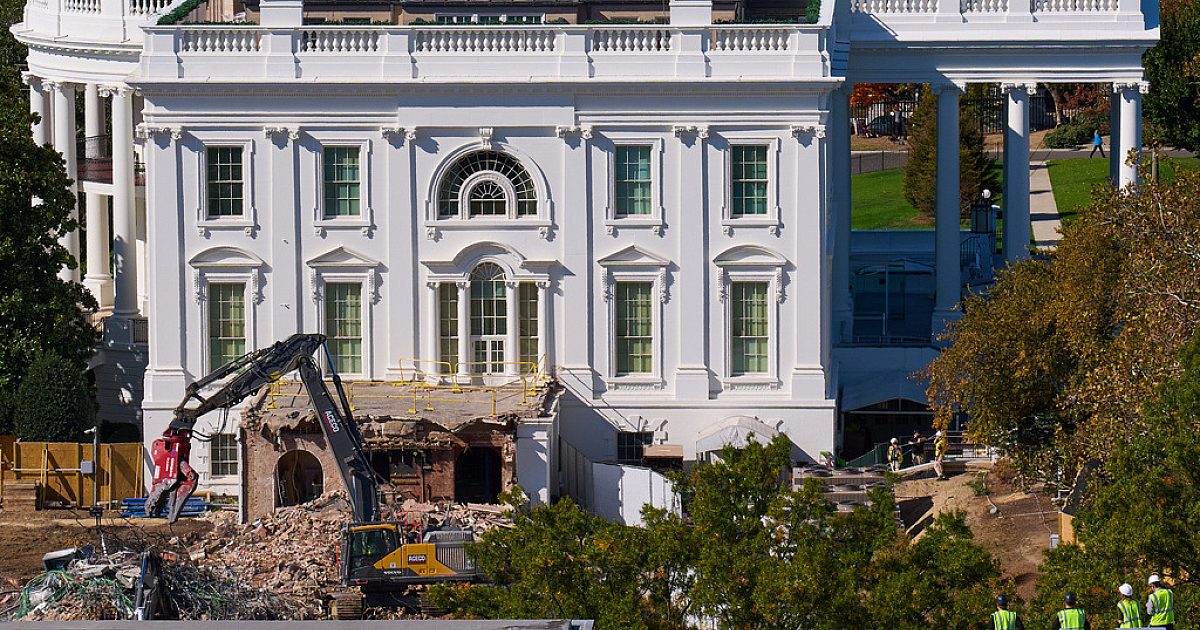
President Trump initiated White House renovations on October 20, leading to the demolition of the East Wing for a planned 90,000-square-foot underground ballroom.
The $300 million project, funded by President Trump's personal and private donor contributions, aims to showcase power, host larger functions, and enhance security for the PEOC bunker.
The demolition proceeded without permits, drawing immediate criticism from preservationists, Democrats, and current/former politicians regarding transparency, heritage impact, and the ballroom's proposed naming.
The National Trust for Historic Preservation is now calling for a halt to demolition until a public review process is completed for the extensive White House ballroom expansion plans.
The Treasury Department prohibited employees from sharing East Wing demolition photos due to security concerns, while construction plans still await National Capital Planning Commission approval.
Analysis
Center-leaning sources frame this story by emphasizing the Trump administration's perceived inconsistencies, escalating costs, and lack of transparency regarding the White House East Wing demolition. They highlight the project's expanded scope and connect it to broader criticisms of Trump's economic performance and unfulfilled policy promises, collectively portraying an administration marked by questionable planning and fiscal management.
FAQ
The proposed ballroom is approximately 90,000 square feet, which is significantly larger than the White House itself, which is about 55,000 square feet. This size difference has raised concerns about the impact on the historic design and balance of the White House complex.
The ballroom is likely to be named after President Donald Trump, although he has not publicly confirmed this. Officials within his administration are referring to it as 'The President Donald J. Trump Ballroom.'
Concerns include the lack of transparency in the project's planning and execution, with calls for a halt to demolition until a proper public review process is completed. Preservationists worry that the new construction could disrupt the historic balance and design of the White House.