Dutch General Election Results in Historic Tie Between D66 and Wilders' Party
The Dutch general election ended in a tie between D66 and Geert Wilders' Party for Freedom, with significant seat changes and a narrow vote margin.
 The Guardian
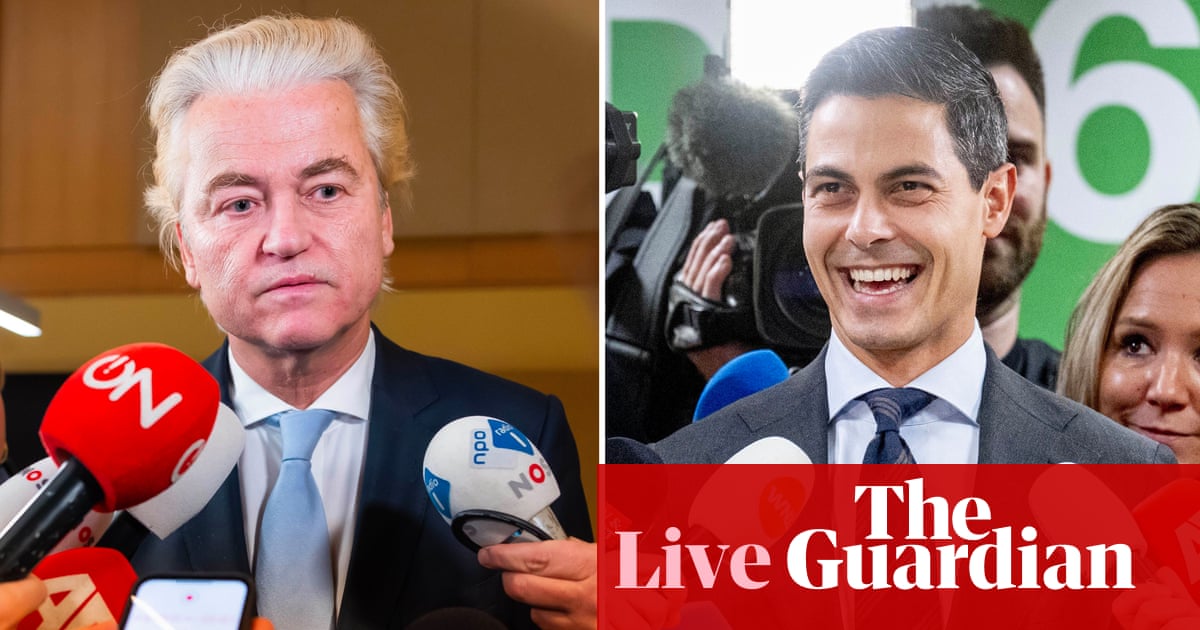
Dutch centrists D66 back in lead in election vote count, edging past far-right PVV – Europe live
 The Guardian
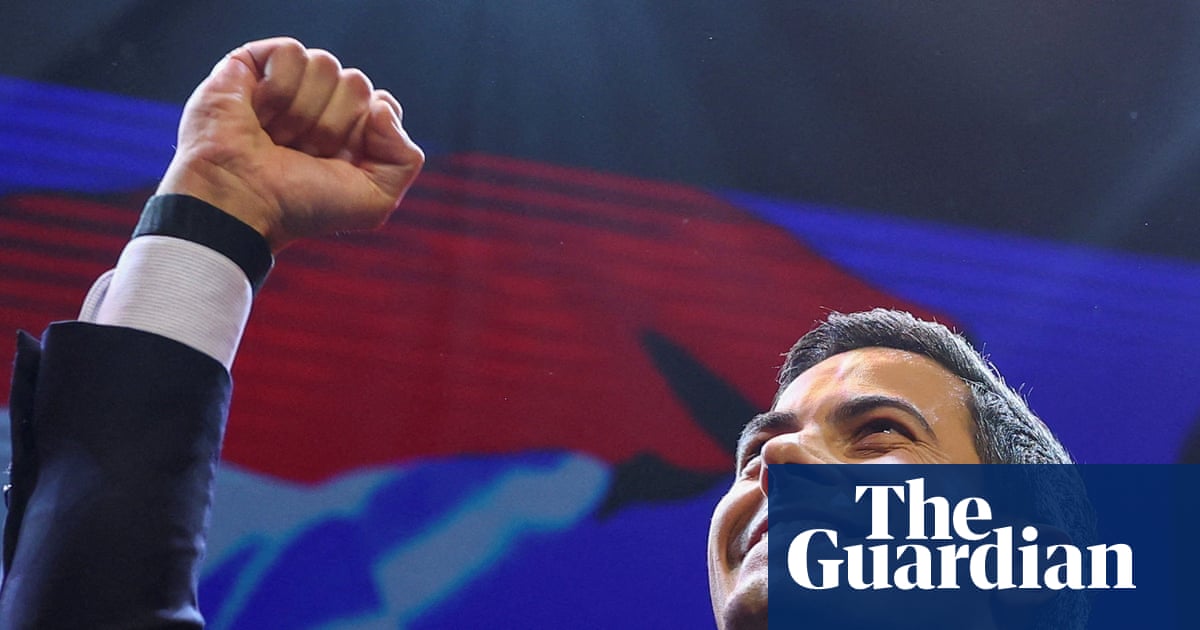
Geert Wilders faces shutout as centrists hail huge gains in knife-edge Dutch election
 Associated Press
The Dutch election is tied, joining a list of memorable close contests. Here are a few others
 CBS News
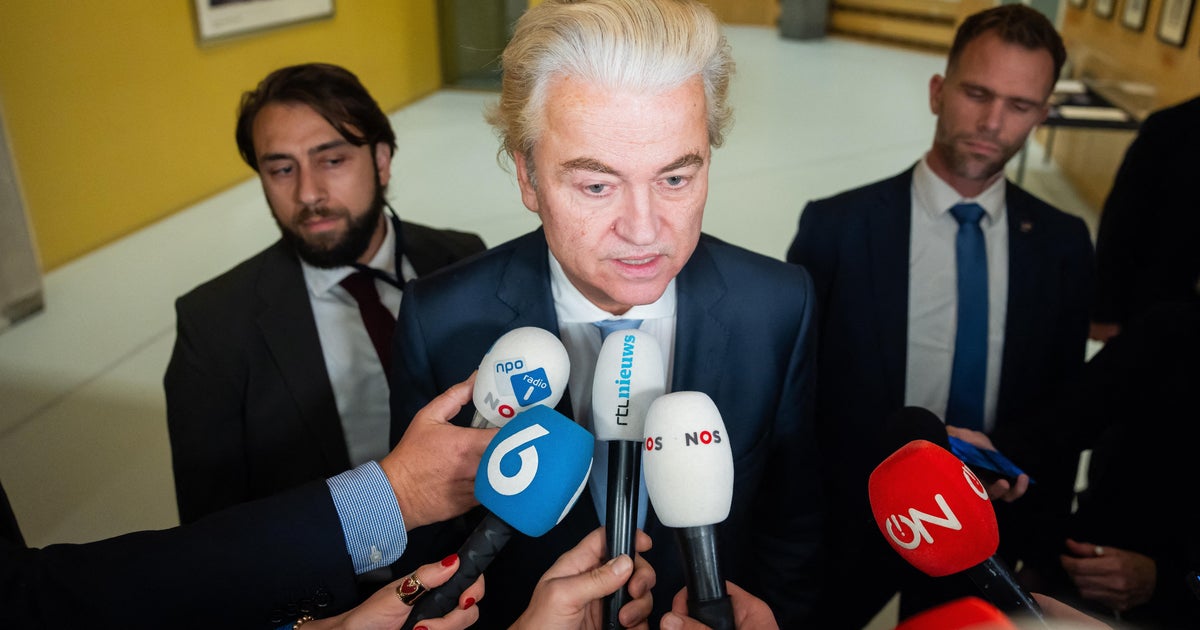
Dutch far-right loses ground to centrist party in neck-and-neck general election
Overview
The Dutch general election saw a tie between D66 and Geert Wilders' Party for Freedom, with just over 2,000 votes separating them nationwide.
D66, led by Rob Jetten, gained 11 seats, achieving a total of 24, while Wilders' party lost 11 seats, resulting in a close finish.
The election outcome is expected to delay coalition government formation due to the neck-and-neck results and the need for multiple parties to negotiate.
Mainstream parties have ruled out a coalition with Wilders, complicating his chances of becoming prime minister despite his party's strong performance.
Rob Jetten is in a position to potentially become the Netherlands' first openly gay and youngest prime minister amid ongoing coalition talks.
Analysis
Center-leaning sources cover this story neutrally, focusing on factual reporting of close election results across various countries. They avoid loaded language and present information objectively, highlighting the complexities and historical significance of tight electoral contests without editorializing or emphasizing a particular political viewpoint.
FAQ
A tied election complicates the formation of a new government because it requires more complex negotiations among multiple parties to achieve a majority or sufficient support in parliament. This can delay the process significantly.
Mainstream parties have ruled out a coalition with Wilders' PVV due to concerns over its stance on certain issues, such as immigration and the rule of law, which may conflict with the policies of other parties.
The formateur is typically the intended prime minister who is tasked with forming a cabinet. They select candidates for ministerial positions and negotiate the final composition of the government.