Government Shutdown's Economic Toll Reaches Billions, CBO Reports
The ongoing US government shutdown, now in its 29th day, is projected to cost the economy up to $14 billion in real GDP, with significant unrecoverable losses.
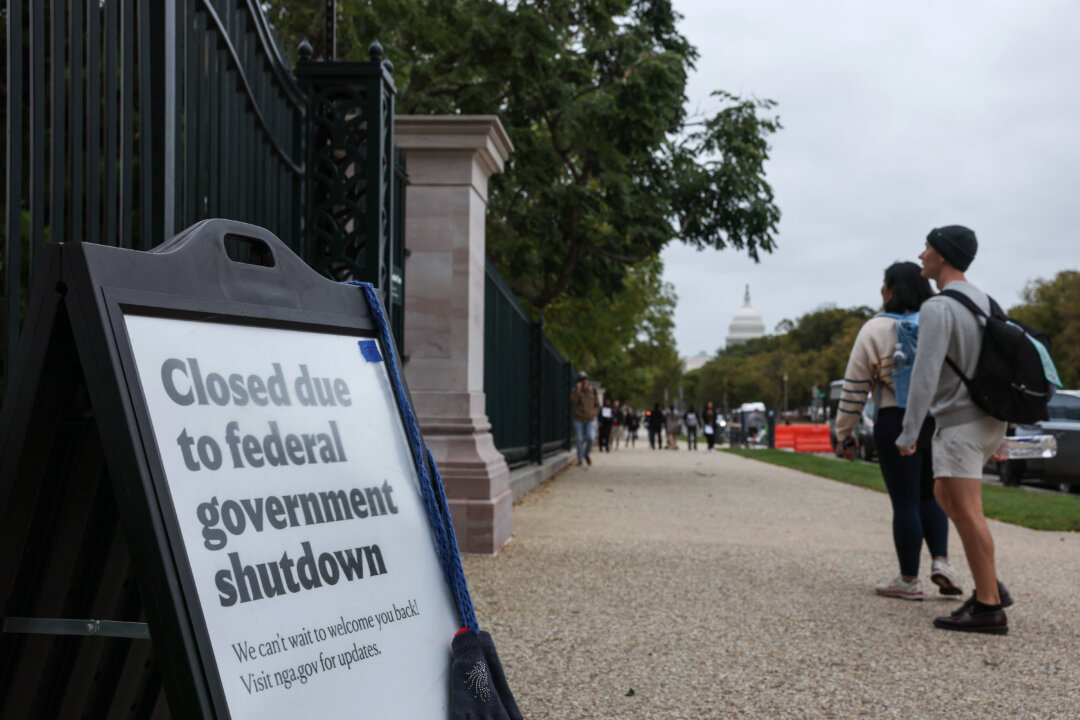



Overview
The US government shutdown has reached its 29th day, having commenced on October 1, making it one of the longest in the nation's history.
The Congressional Budget Office (CBO) estimates the shutdown could cost the US economy $14 billion, with a monthly impact of approximately $7 billion.
Projections indicate a decline in real gross domestic product (GDP) of $7 billion for a four-week shutdown, escalating to $14 billion for an eight-week duration.
The CBO's analysis highlights that a significant portion of these economic losses, estimated between $7 billion and $14 billion, will be unrecoverable even after the shutdown concludes.
The economic impact stems from various factors, including lost government services, reduced consumer confidence, and disruptions to federal operations across the country.
Analysis
Center-leaning sources frame this story by focusing exclusively on the negative economic consequences of the government shutdown, as reported by the non-partisan CBO. They emphasize the substantial financial costs to the U.S. economy and the impact on federal workers, consistently highlighting the unrecoverable losses and declining GDP. This approach frames the shutdown primarily as an economic detriment.
FAQ
The shutdown disrupts federal operations, leading to lost government services, reduced consumer confidence, and delayed federal spending, which collectively impact sectors that rely on government contracts, services, and consumer spending[1].
The CBO projects that, although most of the GDP decline will reverse after the shutdown, between $7 billion and $14 billion (in 2025 dollars) will not be recovered, based on the duration and intensity of the shutdown and its lingering effects on economic activity[1].
A GOP-led continuing resolution (CR) passed the House to fund the government through Nov. 21 at similar levels to FY 2025, but it has failed 13 times in the Senate, where bipartisan support is needed to reach the 60-vote threshold to overcome a filibuster[1].
The longer the shutdown persists, the greater the economic loss: a four-week shutdown reduces GDP by about $7 billion, while an eight-week shutdown could double that loss to $14 billion, with a significant portion becoming unrecoverable[1].
The article does not specify current contingency plans, but historically, federal employees may face furloughs or delayed pay, which can further reduce consumer spending and aggregate demand during a shutdown—factors the CBO considers in its economic impact assessment[1].
