President Trump Announces Resumption of US Nuclear Weapons Testing, Ending 33-Year Moratorium
President Trump has declared the U.S. will resume nuclear weapons testing, raising concerns about a new arms race and global security implications.
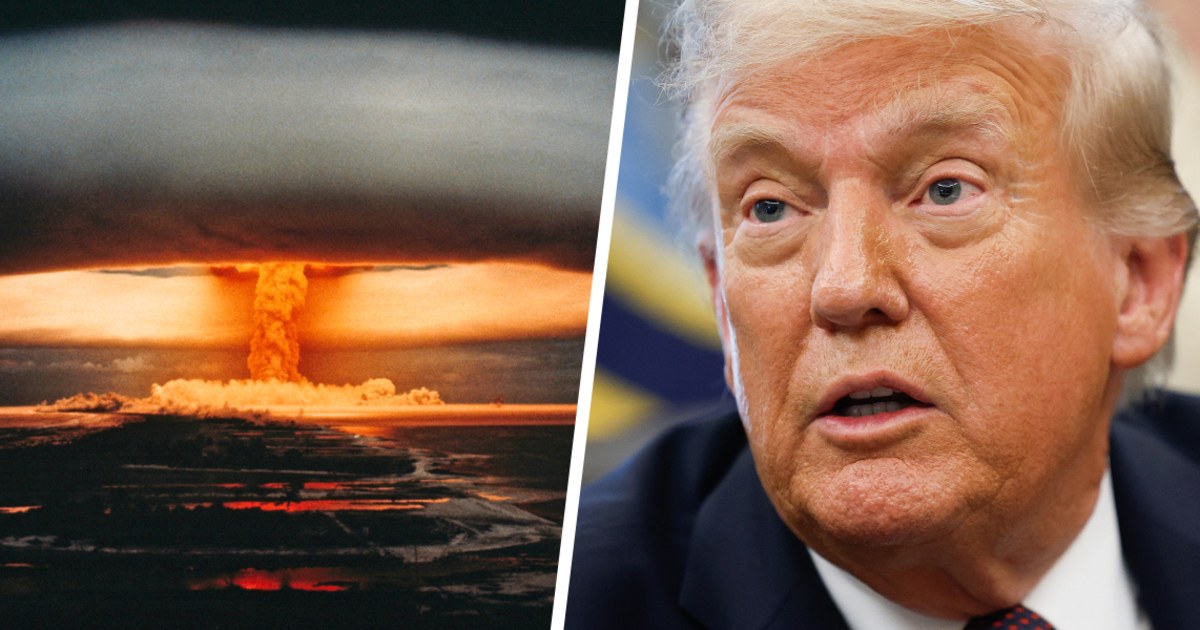
 MSNBC
MSNBCOpinion | Trump is bringing back nuclear testing — and maybe an arms race
 Associated Press
Trump declines to clarify if the US will conduct tests of its nuclear weapons
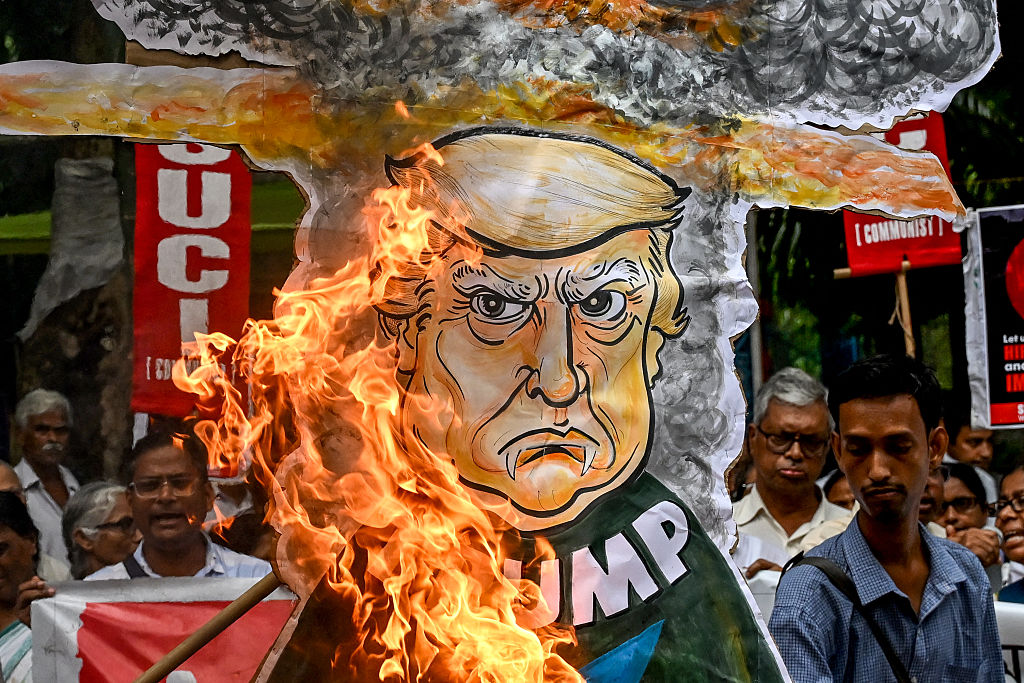
 The Spectator World
The logic of Trump resuming nuclear weapons testing
 Newsmax
Pentagon to Resume Nuclear-Weapons Testing at Trump's Order
Overview
President Trump has announced the U.S. will resume nuclear weapons testing, ending a 33-year moratorium that began after the last test in 1992.
This decision is seen as a response to recent missile tests by Russia, potentially escalating tensions and disrupting the balance of power.
Experts, including Daryl Kimball, criticize the move as a historic mistake that could destabilize international security and lead to an arms race.
The last nuclear treaty limiting arsenals between the U.S. and Russia is set to expire next year, raising further concerns about nuclear proliferation.
China and Russia have expressed alarm over Trump's announcement, with Russia threatening to conduct its own tests in response.
Analysis
Center-leaning sources frame this story by emphasizing the dangers, costs, and lack of necessity for resuming nuclear testing. They predominantly feature experts who warn of "major escalation" and an "arms race," while downplaying any potential justifications. The narrative consistently highlights risks and historical context to portray the move as ill-advised and against U.S. interests.
FAQ
President Trump announced the resumption of nuclear weapons testing as a response to recent missile tests by Russia, which he and others saw as escalating tensions and potentially disrupting the global balance of power.
The 33-year moratorium, which began after the last U.S. nuclear test in 1992, was a period during which the U.S. refrained from nuclear explosive testing to promote international security and arms control, particularly following the signing of treaties like the Comprehensive Nuclear Test Ban Treaty (CTBT).
Resuming nuclear tests risks destabilizing international security, prompting a new arms race, and undermining arms control agreements; it has already elicited strong objections from Russia and China, with Russia threatening reciprocal tests.
Experts, including Daryl Kimball, consider the decision a historic mistake that could lead to increased nuclear proliferation and destabilize global security by reigniting an arms race.
The decision comes just before the expiration of the last treaty limiting U.S. and Russian nuclear arsenals, raising further concerns about the erosion of nuclear arms control frameworks and increased proliferation risks.
