Supreme Court to Hear Trump Tariff Case, Facing Scrutiny Over Judicial Impartiality
The Supreme Court will hear arguments on President Trump's tariff authority, with a key question arising whether its conservative majority will apply consistent legal standards to both Trump and Biden.
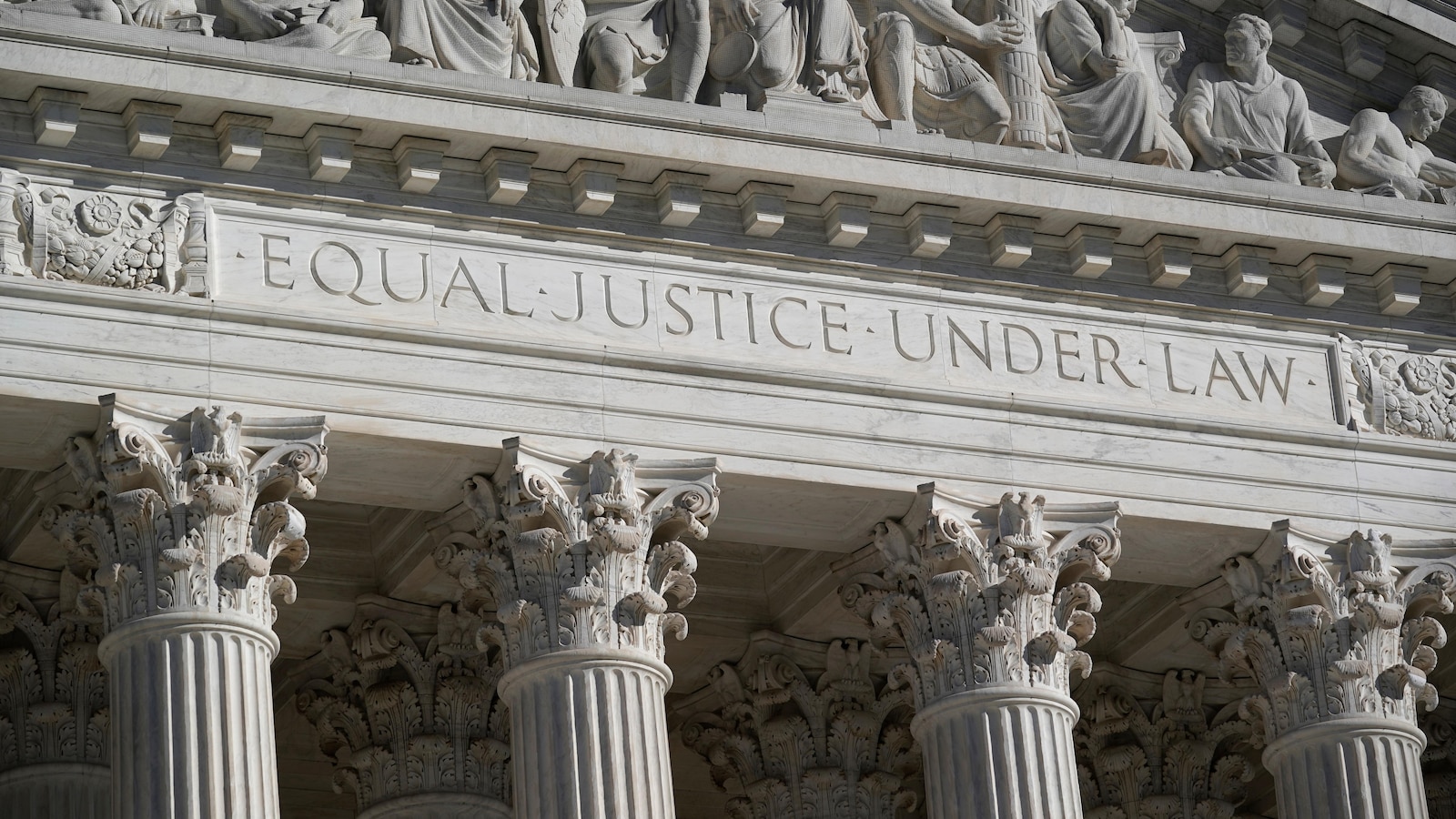
 ABC News
A major question for the Supreme Court: Will it treat Trump as it did Biden?
 Associated Press
A major question for the Supreme Court: Will it treat Trump as it did Biden?

 USA TODAY
Supreme court to decide fate of Trump's sweeping tariff policy on Nov. 5
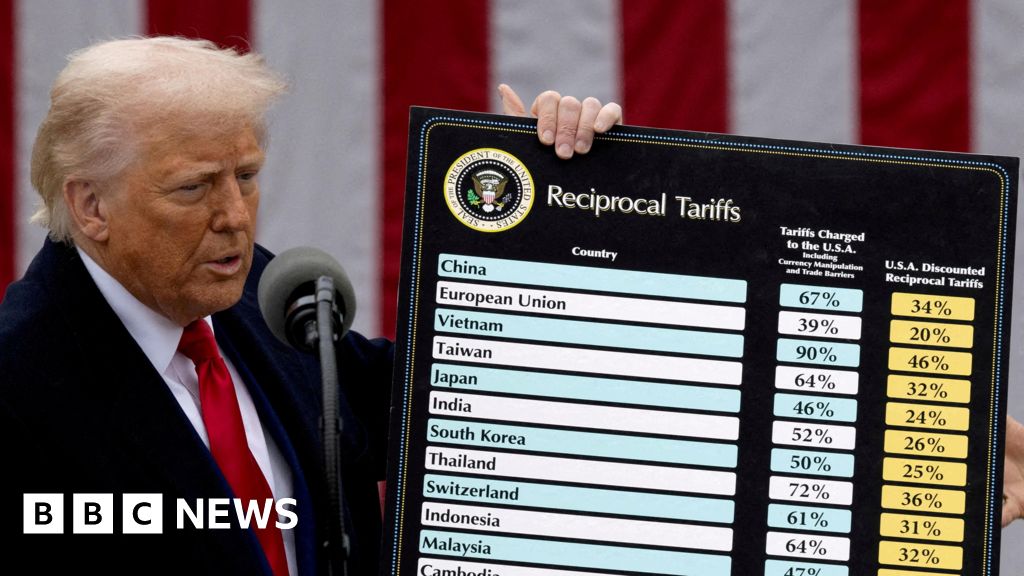
 BBC News
World awaits landmark US Supreme Court decision on Trump's tariffs
Overview
The Supreme Court is scheduled to hear arguments on November 5 concerning President Trump's trade policies and the legality of his imposed tariffs, a decision he will not attend.
The cases challenge President Trump's authority under the International Emergency Economic Powers Act, with lower courts ruling he overstepped by bypassing congressional approval.
President Trump views tariffs as a crucial economic and foreign policy tool, while the Justice Department defends his actions as within executive power over foreign affairs.
The Supreme Court's conservative majority faces a significant question regarding whether they will apply consistent legal standards to both President Trump and President Biden.
A ruling against President Trump could significantly alter his future reliance on tariffs, potentially impacting businesses, consumer prices, and the balance of executive power.
Analysis
Center-leaning sources frame this story by questioning whether the Supreme Court's conservative majority will apply the same "exacting standards" to former President Trump's tariffs as it did to President Biden's initiatives. They emphasize the major questions doctrine's prior use, setting up a narrative of judicial consistency and potential political influence in the court's decision-making.
FAQ
The Supreme Court will decide whether the president had authority under the International Emergency Economic Powers Act (IEEPA) to impose tariffs without congressional approval, and whether doing so violated the Constitution's separation of powers.
The cases involve Learning Resources, Inc., an educational-toy manufacturer, and V.O.S. Selections, Inc., a family-owned wine and spirits importer and distributor, both of which are challenging the legality of the tariffs.
A ruling against Trump could restrict future presidents’ ability to impose tariffs without congressional approval, potentially altering the balance of executive and legislative power over trade policy and signaling how far executive authority extends over foreign affairs.
The case raises questions about whether the Court's conservative majority will apply the same legal standards to Trump and Biden, testing the impartiality and consistency of judicial review across administrations.
Upholding the authority could embolden future presidents to use tariffs liberally, potentially increasing business costs and consumer prices; overturning it could curb executive power, stabilize tariffs, and lead Congress to reassert authority over trade policy, with direct effects on import-dependent industries and global trade relations.
