President Trump's $2,000 Tariff Dividend Plan Faces Cost Concerns and Supreme Court Review
President Trump proposes $2,000 tariff dividends for Americans, funded by tariff revenue. The plan faces financial viability concerns, administrative skepticism, and Supreme Court review.
 ABC News
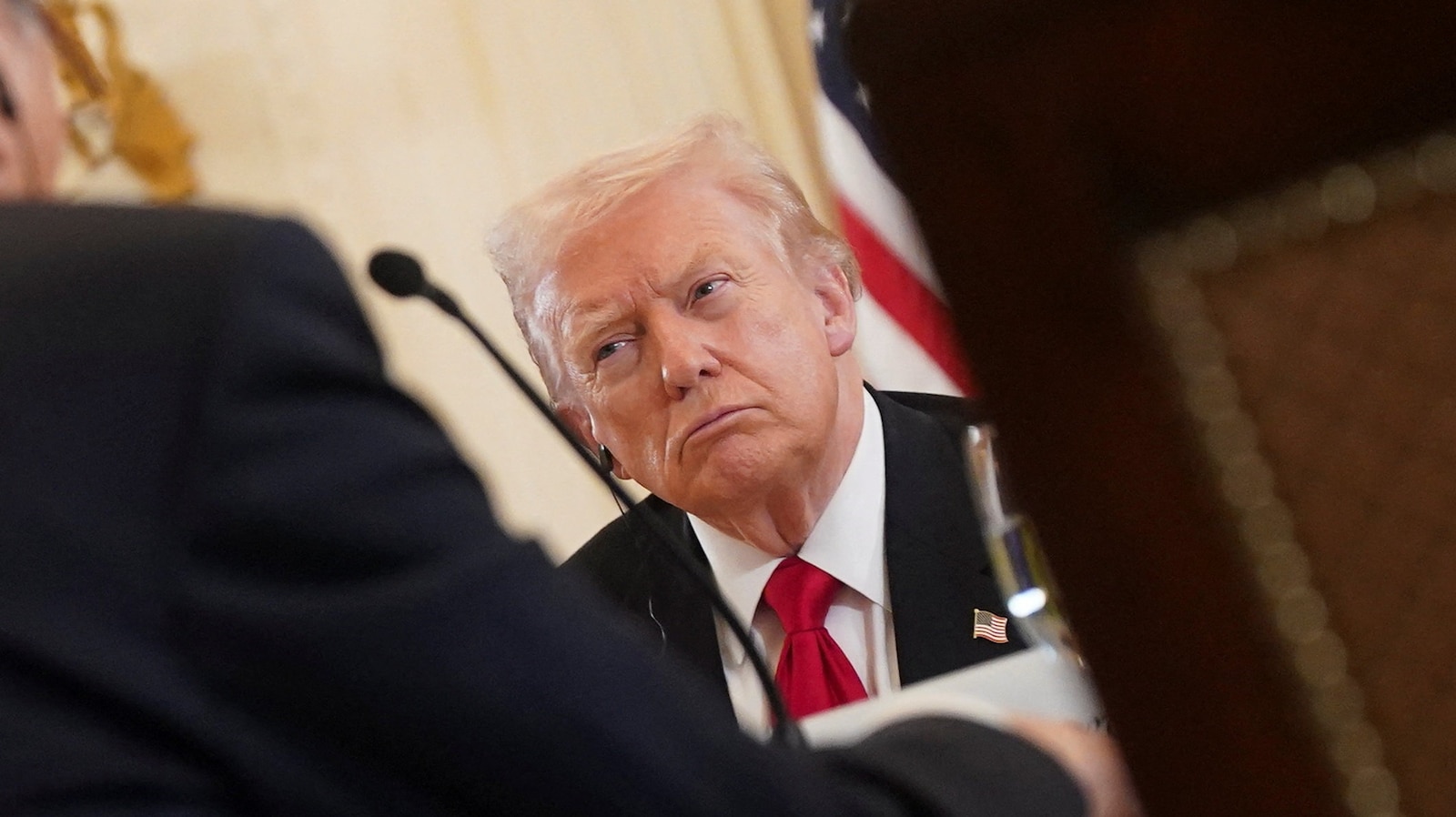
What to know about Trump's promise of $2,000 tariff dividend payments

 New York Post
Trump doubles down on $2K tariff checks — even as Bessent seems to throw cold water on idea
 Daily Beast
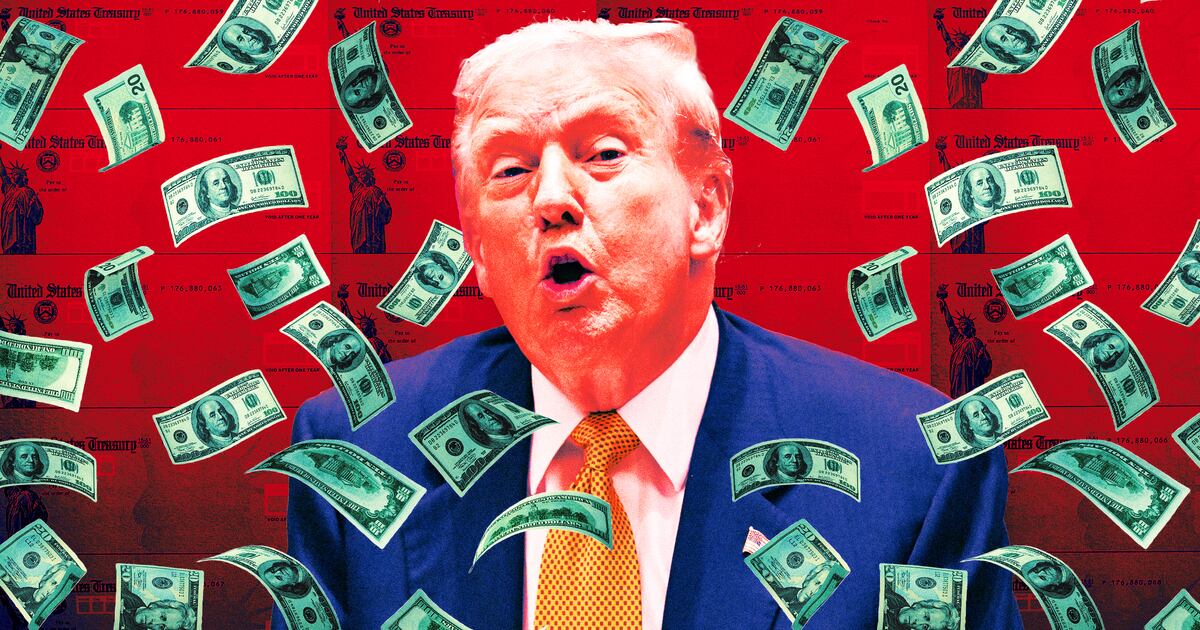
Trump, 79, Struggles with Basic Math on Refund Checks
 Fortune
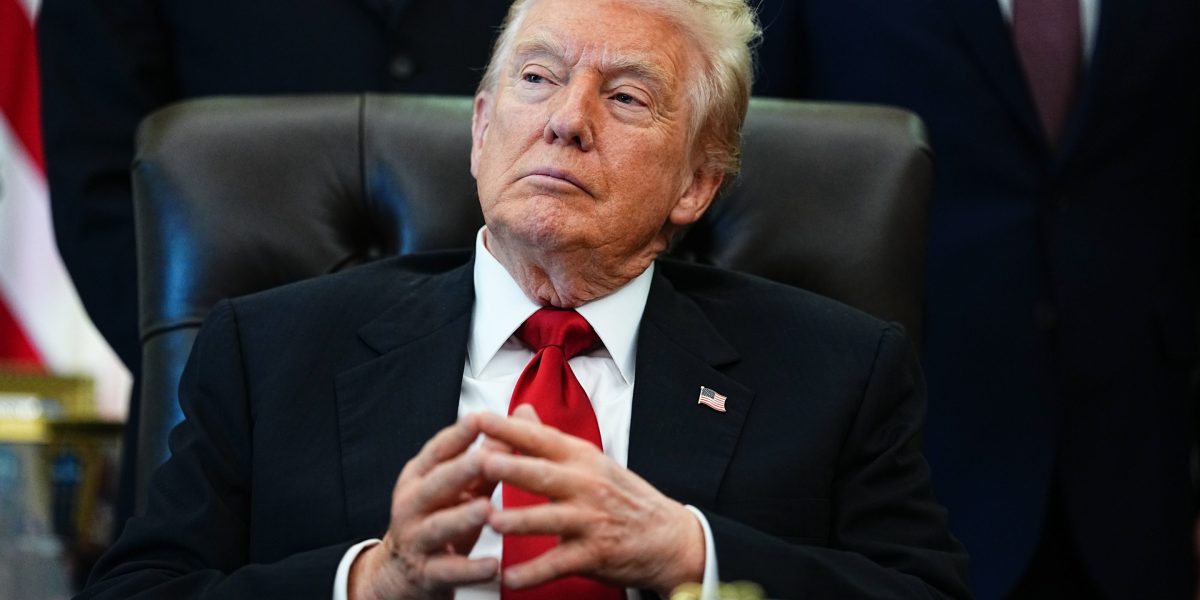
Trump’s $2,000 tariff ‘dividends’ would cost twice as much as the revenue coming in, budget watchdog warns
Overview
President Trump has proposed providing $2,000 tariff dividend payments to most Americans, asserting these funds would be directly sourced from substantial revenues generated by his tariff policies.
Trump claims this financial strategy, utilizing U.S. tariff revenue, would fund dividend checks and significantly contribute to reducing the nation's $38 trillion national debt.
The proposed $2,000 payments face financial scrutiny, as estimated annual costs of $300-600 billion significantly exceed the $261.9 billion in current fiscal year tariff revenue.
Treasury Secretary Scott Bessent and administration members suggest the "dividend" may be tax savings, not direct payments, downplaying the likelihood of the $2,000 checks materializing.
The Supreme Court is reviewing the legality of Trump's import taxes, with a ruling potentially deeming tariffs unconstitutional and impacting the feasibility of his proposed $2,000 dividend plan.
Analysis
Center-leaning sources consistently frame Trump's proposed payments as impractical and politically motivated. They emphasize the unlikelihood of these ideas materializing due to legal hurdles, financial infeasibility, and lack of formal development within his administration. The coverage often contextualizes these proposals as reactive responses to recent political setbacks and public disapproval.
FAQ
The $2,000 tariff dividend is a proposed policy that may be distributed as a tax credit or deduction rather than an immediate direct payment, with details on eligibility and timeline expected soon from the Treasury and IRS.
No, the estimated annual cost of $300 to $600 billion for the dividend significantly exceeds current fiscal year tariff revenues of about $261.9 billion, raising concerns about the financial viability and potential deficit impact of the plan.
The Supreme Court is reviewing the legality of Trump's tariffs, with the possibility that tariffs could be ruled unconstitutional, which would affect the feasibility of funding the $2,000 dividend through tariff revenue.
Yes, Treasury Secretary Scott Bessent suggested the dividend might manifest as tax savings or other economic benefits such as tax decreases on tips and overtime, rather than direct dividend checks.
The dividend proposal appears timed for both economic and political reasons, including showcasing tariff benefits to Americans amid debate on trade policy and as political messaging ahead of the 2026 midterm elections.