Trump Eliminates Tariffs on Key Food Imports to Combat Rising Grocery Prices
President Trump eliminated U.S. tariffs on beef, coffee, and tropical fruits. This executive action aims to reduce grocery store prices, responding to consumer and political pressure.
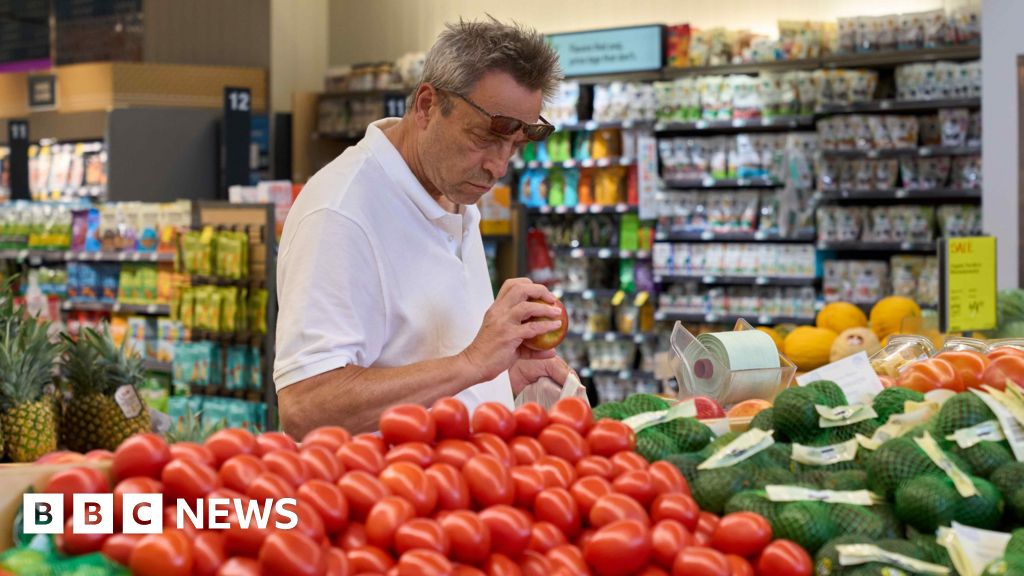
 BBC News
Trump rolls back tariffs on dozens of food products

 USA TODAY
Trump exempts beef, coffee, bananas and other agricultural products from reciprocal tariffs
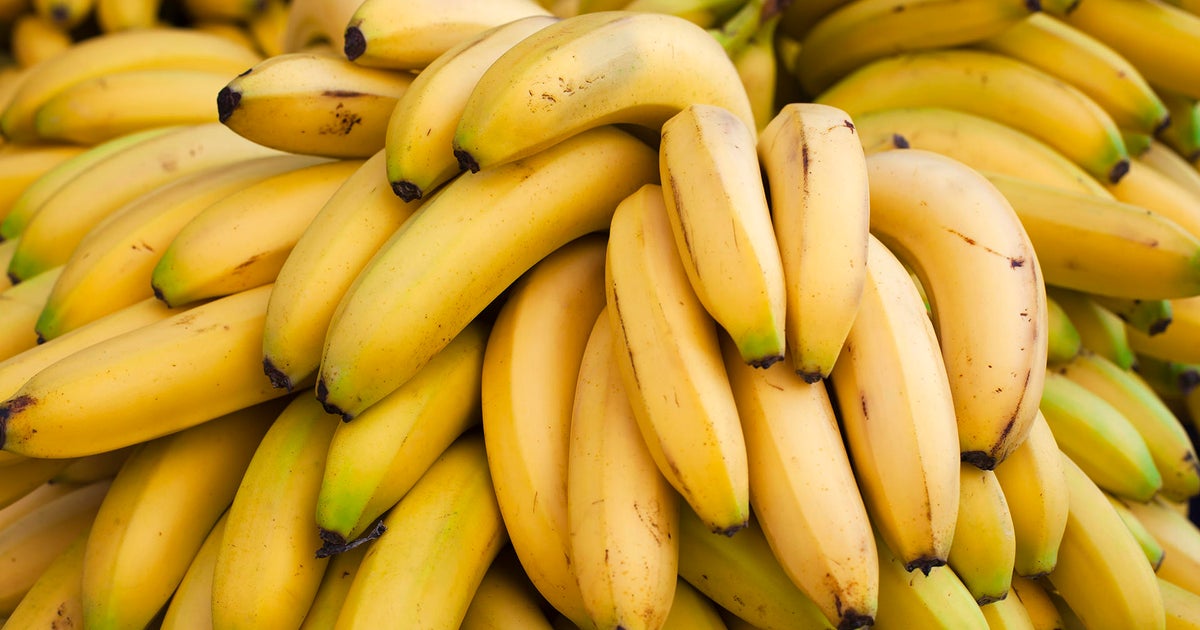
 CBS News
Trump cuts tariffs on beef, coffee, bananas and other food imports
 NPR
NPRTrump scraps tariffs on beef, coffee, tropical fruit in a push to lower prices
Overview
President Trump eliminated U.S. tariffs on a wide range of food imports, including beef, coffee, and tropical fruits, through an executive order.
This decision was made in response to growing consumer pressure and political concerns over rising grocery store prices and record-high beef costs.
The tariff rollbacks, some taking effect retroactively, aim to lower consumer expenses and address economic concerns highlighted by recent elections.
The White House cited progress in trade negotiations and a modification of reciprocal tariffs as reasons for the move, intending to strengthen the US economy.
While the Food Industry Association praised the swift action, critics like Rep. Richard Neal questioned the administration's reversal on tariffs it initially imposed.
Analysis
Center-leaning sources cover this story neutrally, focusing on factual reporting of Trump's tariff exemptions and their context. They present the policy change, its stated reasons, and relevant political and economic factors without overt bias. The coverage includes diverse elements like Trump's past stance, recent election results, and economic data.
FAQ
Tariffs were eliminated on a wide range of food imports including beef, coffee, tropical fruits, tea, fruit juices, cocoa, spices, bananas, oranges, tomatoes, and fertilizers.
The administration removed tariffs in response to growing consumer and political pressure due to rising grocery prices and record-high costs of certain foods, aiming to reduce consumer expenses and address economic concerns highlighted by recent elections.
Prior to removal, tariffs contributed to significant price increases; for example, coffee prices had risen more than 20% partly due to tariffs, while beef prices rose due to the combination of tariffs, drought-driven feed costs, and low cattle supply.
The Food Industry Association praised the swift tariff rollback, while critics like Representative Richard Neal questioned the administration's reversal on tariffs it initially imposed.
Yes, the White House cited progress in trade negotiations and a modification of reciprocal tariffs as reasons for the tariff eliminations, intending to strengthen the U.S. economy.
