Trump's Economic Plans and Inflation Strategy Face Public Scrutiny and Biden Comparisons
Donald Trump's economic proposals, including factory job creation and drug cost reduction, are under scrutiny, with voters expressing frustration over his handling of inflation and drawing comparisons to President Biden's approach.


Overview
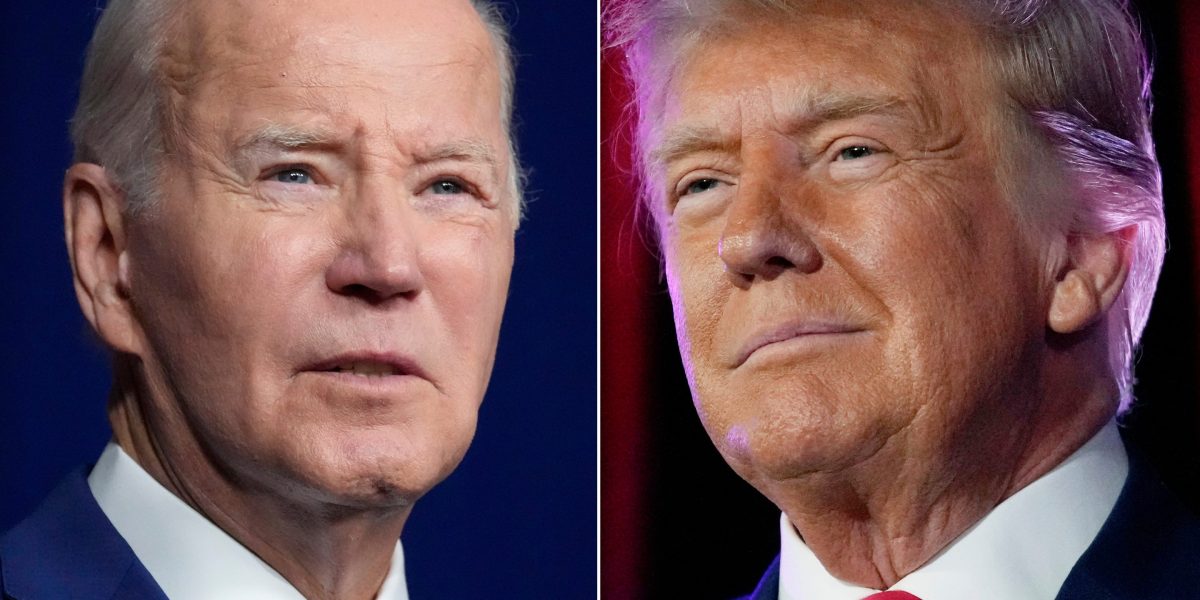
Donald Trump is actively promoting his plans for creating factory jobs and reducing prescription drug costs, often drawing comparisons to President Biden's economic strategies.
Trump previously eliminated tariffs on specific goods, acknowledging their potential to increase prices, and has attempted to shame companies for raising prices, mirroring some of Biden's tactics.
He is echoing President Biden's assertion that high inflation is a temporary issue, despite critics arguing his own attempts to address it are perceived as ineffective and gimmicky.
Polling data from November indicates a significant 67% disapproval rate among U.S. adults regarding Trump's performance, reflecting widespread voter frustration with his handling of inflation.
Republicans contend that Biden's policies exacerbated inflation, yet acknowledge that Trump has also not presented a quick or definitive solution to the ongoing economic challenge.
Analysis
Center-leaning sources frame Trump's current inflation strategy as a problematic echo of Biden's past struggles. They emphasize the "déjà vu" of his economic challenges and portray his proposed solutions as "gimmicky" or "half-formed." The collective narrative highlights how Trump is repeating similar political missteps and facing comparable voter frustration, often drawing on critiques from former Biden administration officials.
FAQ
Donald Trump's economic plans focus on creating factory jobs and reducing prescription drug costs, along with policies such as eliminating tariffs on specific goods and attempting to control corporate price increases.
Voters largely express frustration with Trump's handling of inflation, with 67% disapproving of his performance; comparisons are drawn to Biden's approach, where both administrations have faced criticism, but Republicans blame Biden's policies for exacerbating inflation.
Trump's broad expansion of import tariffs, including a 10–25% universal tariff, has raised input costs for manufacturers and retailers, contributing to upward pressure on consumer prices and inflation rates, with forecasts predicting inflation near 3.2% in 2026 if tariffs remain elevated.
Under Trump in 2025, the average inflation rate was around 2.7% with predictions of economic growth and job creation, including 6.6 to 7.4 million full-time jobs saved or created over four years; under Biden, inflation peaked higher in 2022 but then declined, with infrastructure investments that might influence long-term supply dynamics.
Critics argue that Trump's attempts to address inflation are seen as ineffective and gimmicky, with polling data indicating significant disapproval; economists warn that tariffs may yield short-term revenue gains but risk long-term GDP reduction and inflationary pressures.

