US Military Strikes on Suspected Drug Boats Draw Bipartisan Congressional Scrutiny Amid Rising Casualties
US military strikes on suspected drug boats have killed 83 individuals, including three recently, sparking bipartisan congressional concerns over legality and constitutional authority.
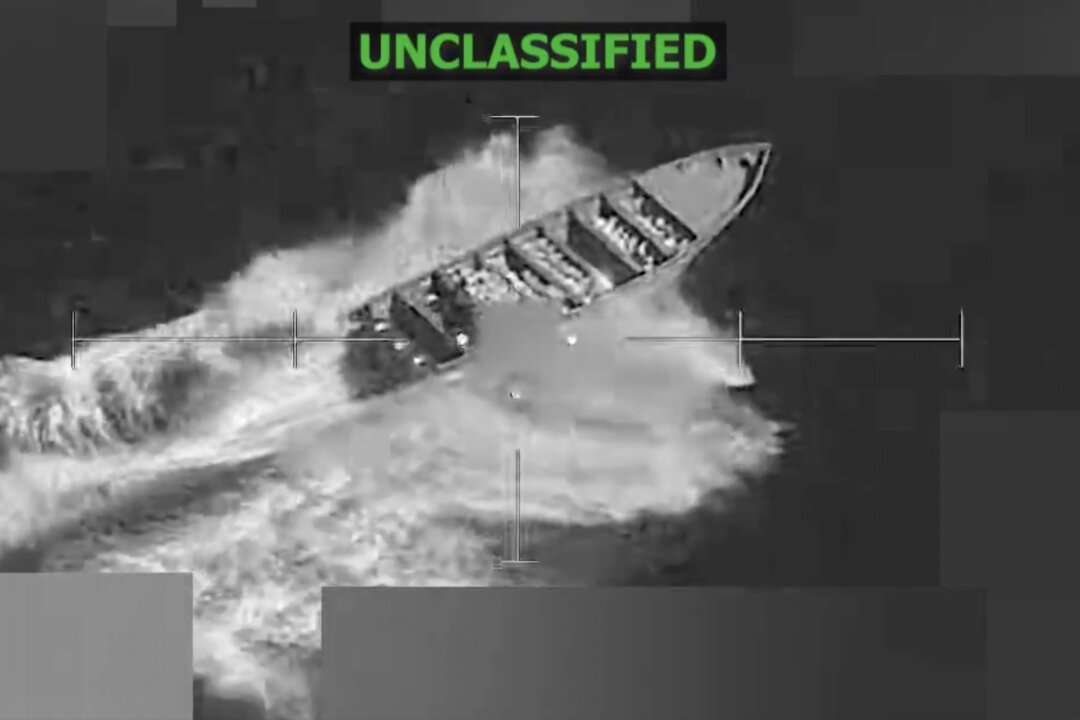
 Epoch Times
US Military Announces 21st Strike on Suspected Drug Boat
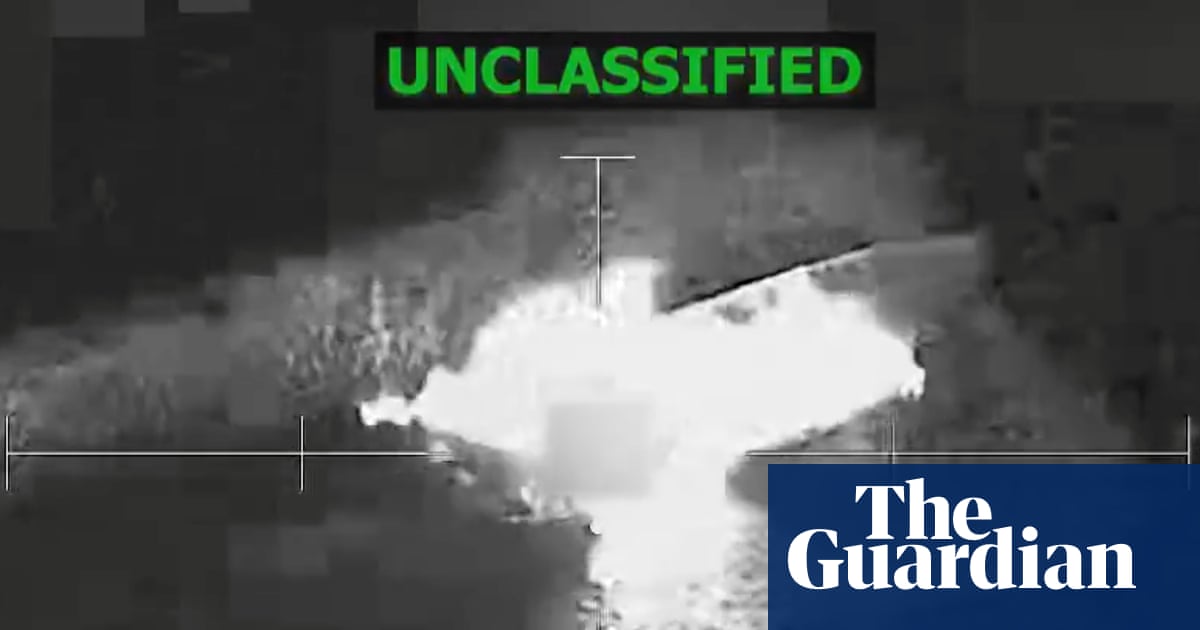
 The Guardian
US military attacks another alleged drug boat in eastern Pacific, killing three
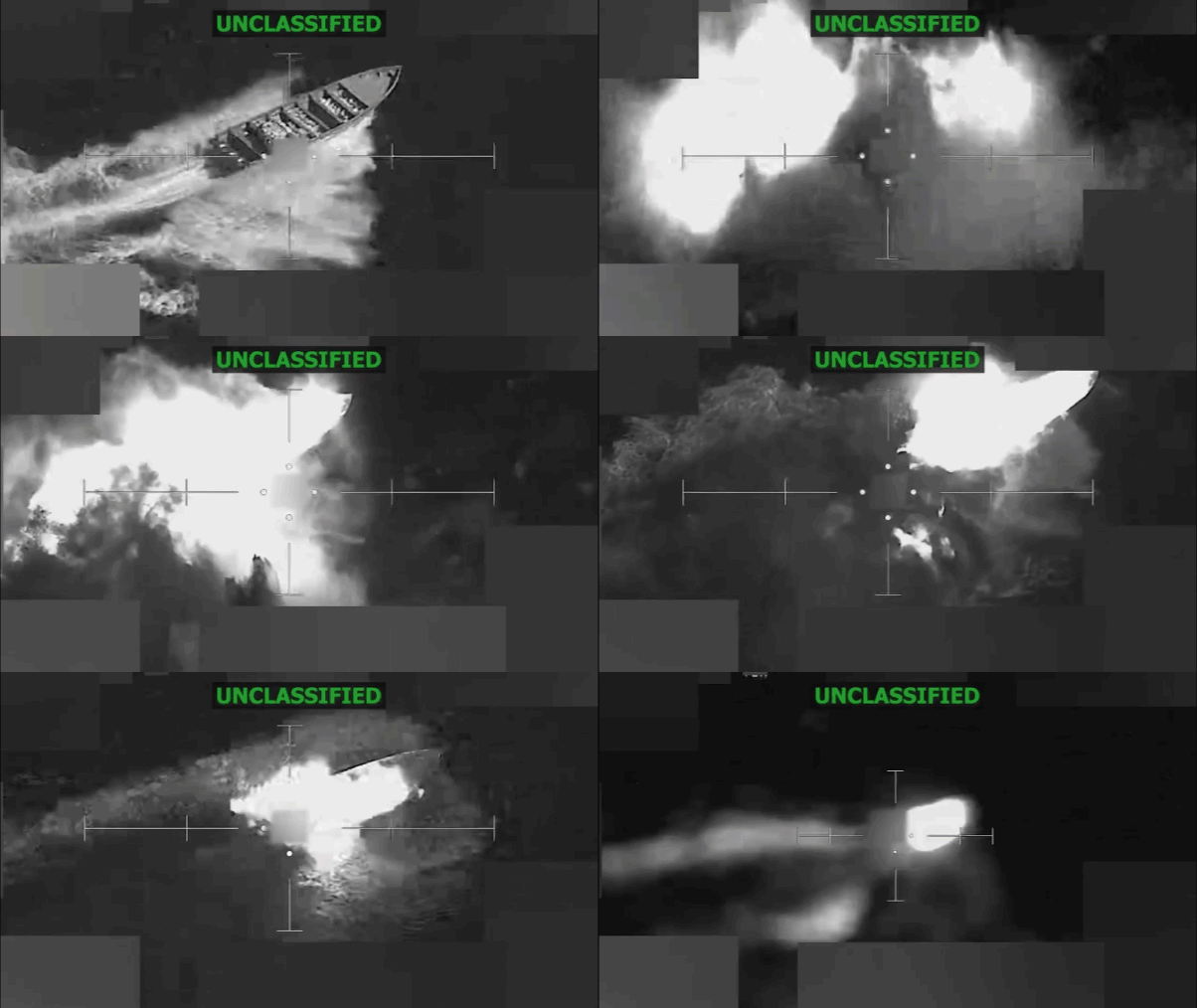
 FOX News
US forces kill 3 narco-terrorists in Eastern Pacific lethal strike operation targeting drug networks
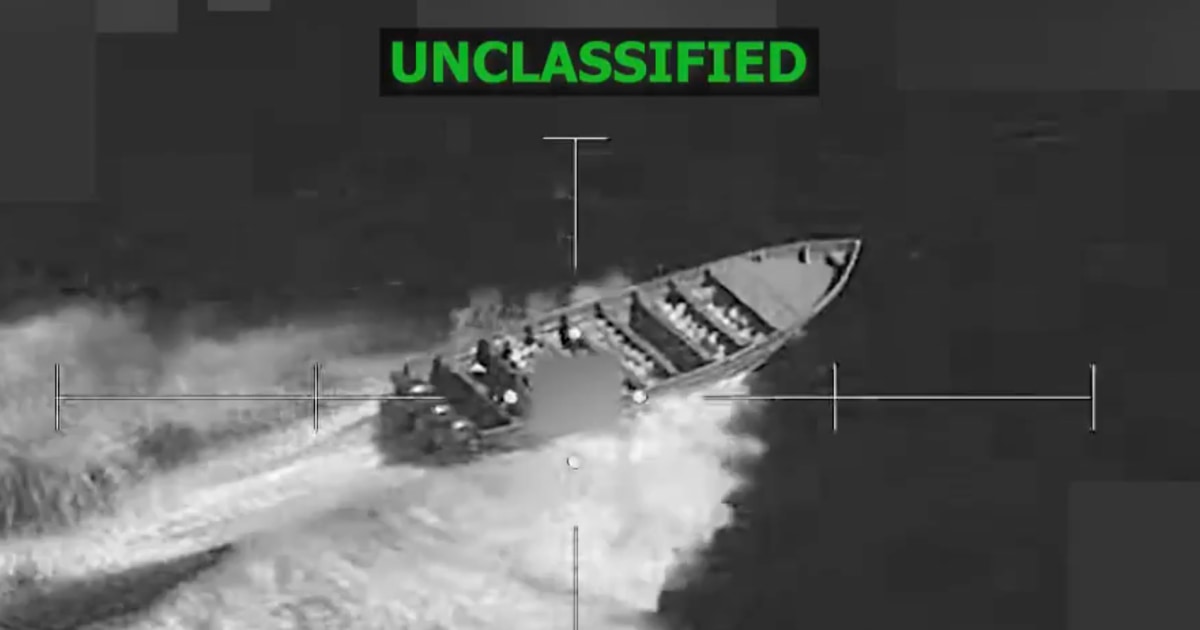
 NBC News
U.S. military announces latest strike on an alleged drug boat in the eastern Pacific
Overview
US military strikes targeting suspected drug boats have resulted in 83 fatalities, with three men killed in a recent 21st confirmed operation, alongside three survivors.
Leaders from both Republican and Democratic parties on Capitol Hill are raising significant concerns regarding these US military actions against alleged drug vessels.
Congressional members are specifically questioning the legality and constitutional power underpinning these military operations, highlighting potential executive overreach.
The US military confirmed the involvement of a vessel in illicit narcotics smuggling, justifying the recent strike that killed three suspects.
This bipartisan questioning underscores a significant constitutional discussion within Congress regarding the executive branch's authority in military engagements.
Analysis
Center-leaning sources cover this story neutrally by presenting the military's actions and claims while simultaneously providing crucial journalistic checks. They emphasize the lack of independent confirmation and evidence from the administration, alongside reporting significant congressional concerns about potential overreach and the legality of these strikes.
FAQ
Congress members from both parties have raised concerns that these strikes may exceed the President's constitutional authority, lack proper authorization from Congress, and potentially violate domestic and international law regarding the use of military force.
Under international law, these strikes are considered unlawful as they are neither authorized by the UN Security Council nor justified as necessary or proportionate self-defense; they could be seen as extrajudicial killings violating jus in bello principles.
The administration claims that certain drug cartels have been designated as terrorist organizations and non-state armed groups whose actions constitute armed attacks against the United States, thus justifying the strikes.
Rights groups such as the ACLU and the Center for Constitutional Rights have condemned the strikes as potentially unlawful killings, demanding transparency and legal justification for these actions, and labeling them as possibly murder under international law.
The President's unilateral order of military strikes without congressional authorization is argued to exceed constitutional limits under the War Powers Resolution and the division of war powers in the U.S. Constitution, raising concerns of executive overreach.