Chile's Presidential Election Heads to Polarizing Runoff as Hard-Right Gains Momentum
Chile's presidential election heads to a tense runoff between leftist Jeannette Jara and ultraconservative José Antonio Kast, reflecting a deeply divided nation.
 ABC News
Chile's hard-right holds the upper hand as presidential election goes to a runoff
 Associated Press
Chile's hard-right holds the upper hand as presidential election goes to a tense runoff
 NPR
NPRChile's presidential race heads to a polarizing runoff after Sunday vote
 ABC News
Chile's presidential race headed to tense runoff between communist and hard-right candidates
Overview
Chile's presidential election is heading to a second-round runoff after no candidate secured over 50% of the vote in the initial round.
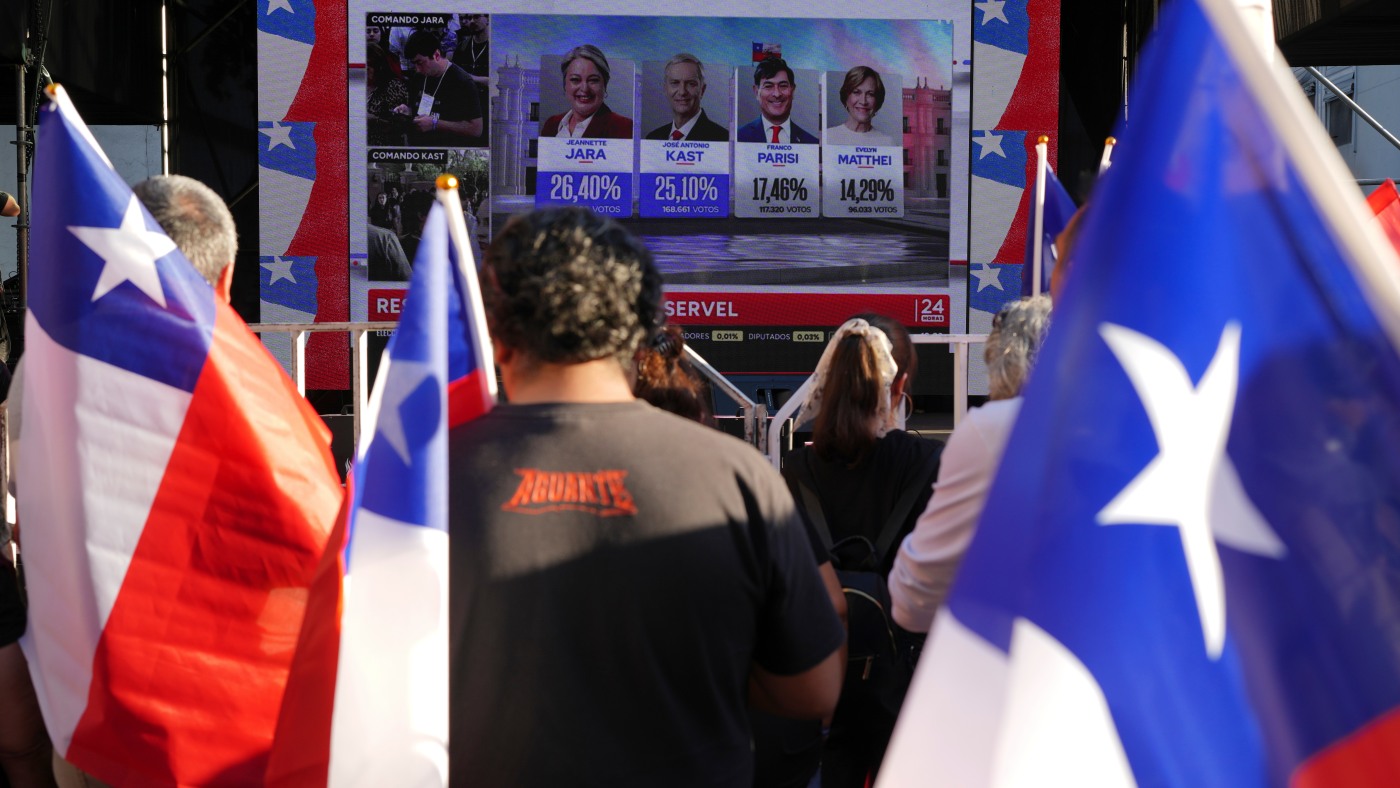
Leftist Jeannette Jara narrowly led the first round with 27% of the vote, while ultraconservative José Antonio Kast closely followed, now leading in the runoff.
The runoff pits ultraconservative Kast, opposing abortion and same-sex marriage, against Communist Party member Jara, highlighting Chile's deep political divisions.
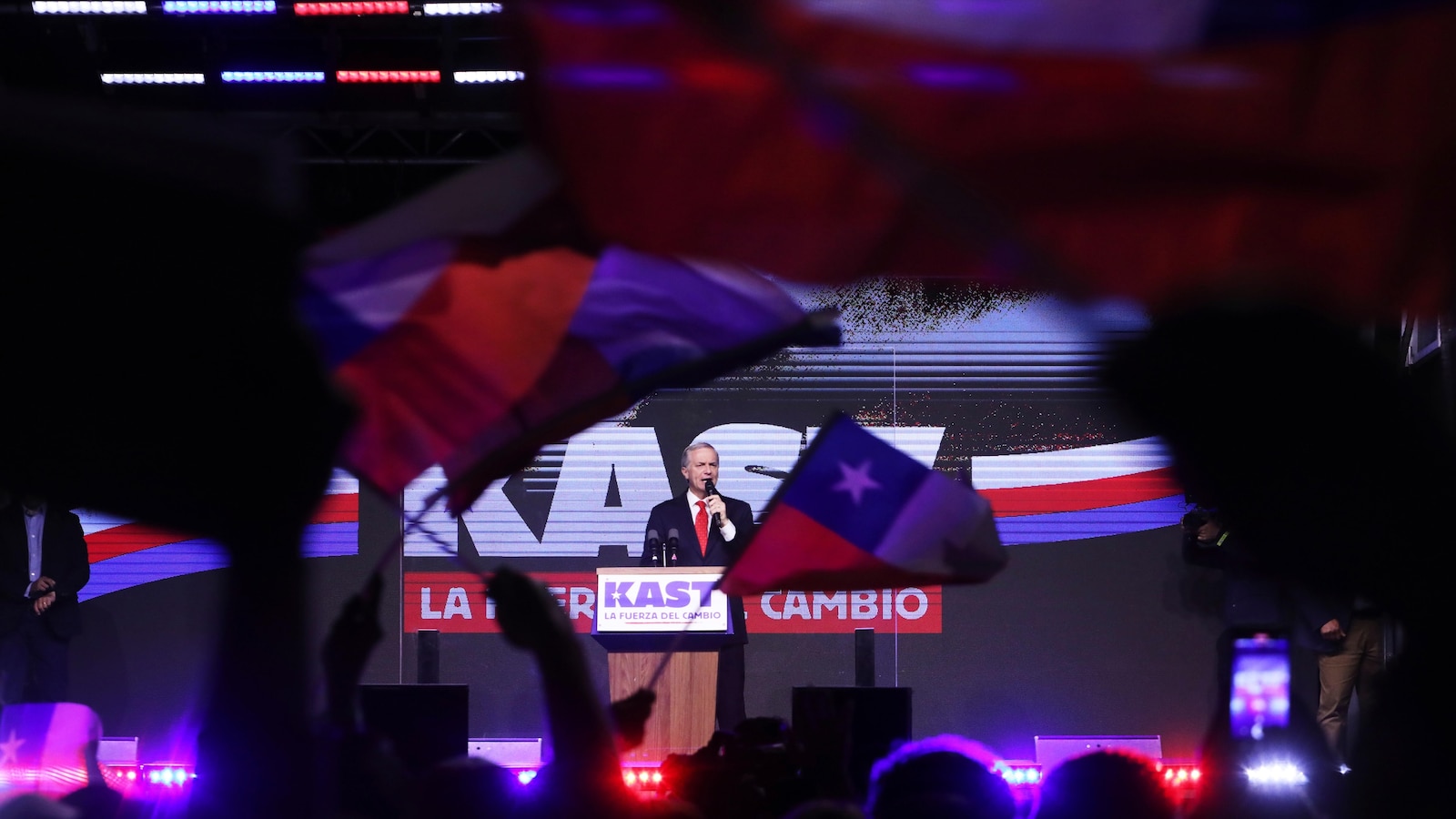
A jubilant mood at Kast's headquarters saw young Chileans celebrating, as the hard-right gains momentum amid concerns over crime and immigration.
Businessman Franco Parisi secured 20% of the votes, placing third, further indicating a significant conservative lead in the overall election landscape.
Analysis
Center-leaning sources frame this story by emphasizing the extreme ideological divide in Chile's presidential runoff. They consistently highlight the candidates' most controversial affiliations and pasts, such as Kast's family ties to the Nazi regime and Pinochet dictatorship, and Jara's Communist Party membership and support for authoritarian governments, portraying the election as a stark, polarizing choice.
FAQ
Jeannette Jara is a leftist, Communist Party member supporting expanded social programs, police reform, and lifting banking secrecy to tackle organized crime and cost-of-living issues. José Antonio Kast is an ultraconservative hard-right leader opposing abortion and same-sex marriage, with a strong stance against crime and immigration, advocating border security measures like walls along the Bolivia border.
Kast has gained momentum due to his strong stance on rising crime and illegal immigration, resonating with voters concerned about security. Additionally, he is likely to consolidate right-wing votes from supporters of other eliminated conservative candidates, potentially giving him an advantage in the runoff.
This election is the first in Chile where voting is mandatory and voter registration automatic, leading to over 15.7 million citizens required to vote, out of a population over 18 million. This change aims to counteract historically low voter turnout and has influenced the dynamics of the election, with a broad voter base participating.
Jeannette Jara needs to broaden her base without diluting social proposals and overcome voter skepticism linked to economic struggles and association with President Boric’s government. José Antonio Kast must balance his hardline positions with signs of governability to attract moderate voters who currently view him with suspicion.
The election occurs amid a deeply divided nation concerned with rising crime, immigration, and economic issues including inflation near 10%. President Gabriel Boric's government faces low approval ratings (~30%), and recent constitutional council elections showed a significant conservative gain, highlighting political shifts and electoral fatigue since protests in 2019.