DOJ Admits Grand Jury Did Not Review Final Comey Indictment Amid Vindictive Prosecution Claims
Federal judges question James Comey's indictment after the DOJ admitted the full grand jury never reviewed the final charges, bolstering claims of vindictive prosecution.
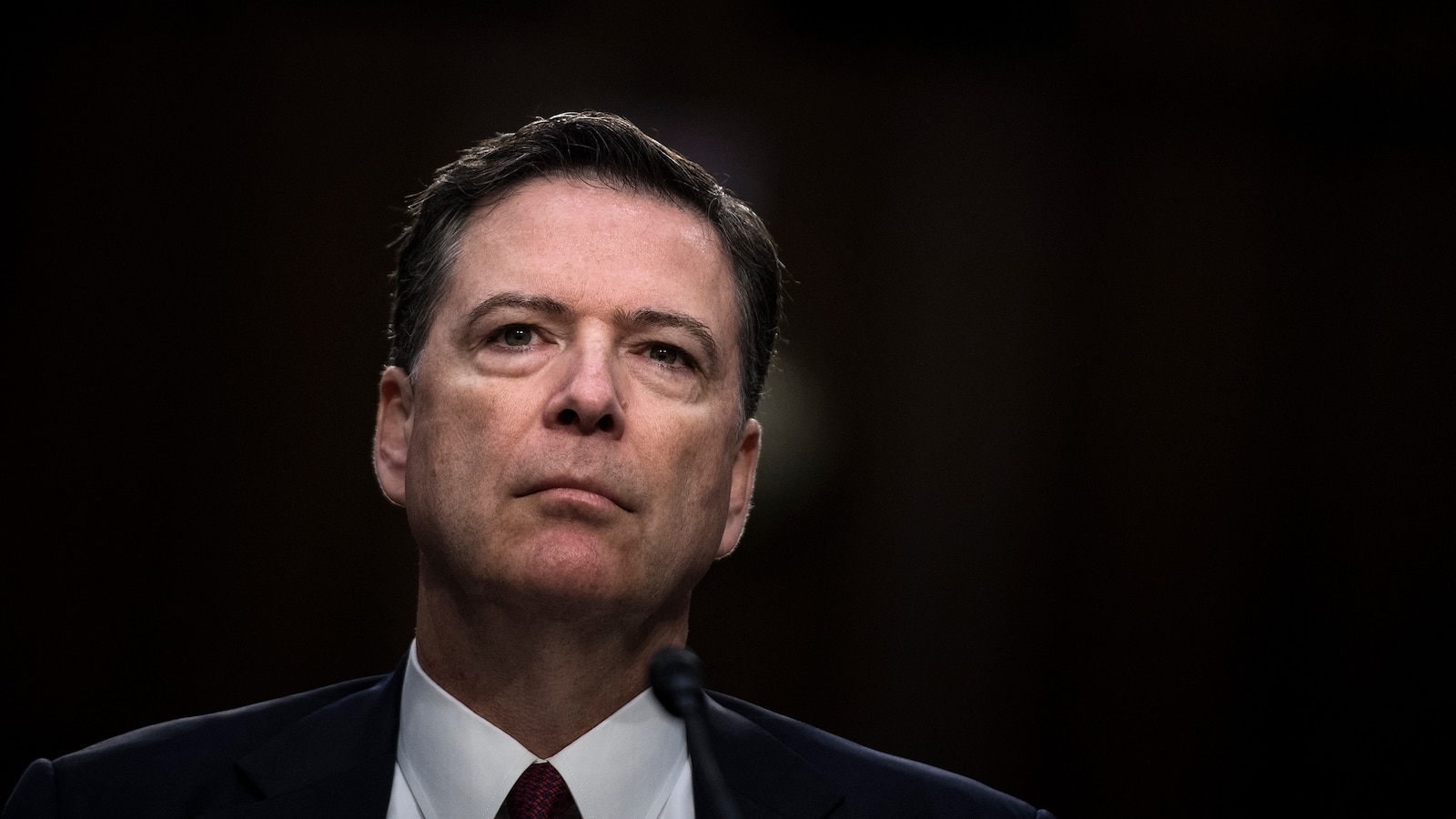
 ABC News
Judge grills government over apparent lapses in Comey indictment

 FOX News
Federal judge calls Comey indictment into question, asks if Halligan is a 'puppet' for Trump

 Daily Caller
'There Is No Indictment': Lindsey Halligan May Have Made A Crucial Error In Comey Case
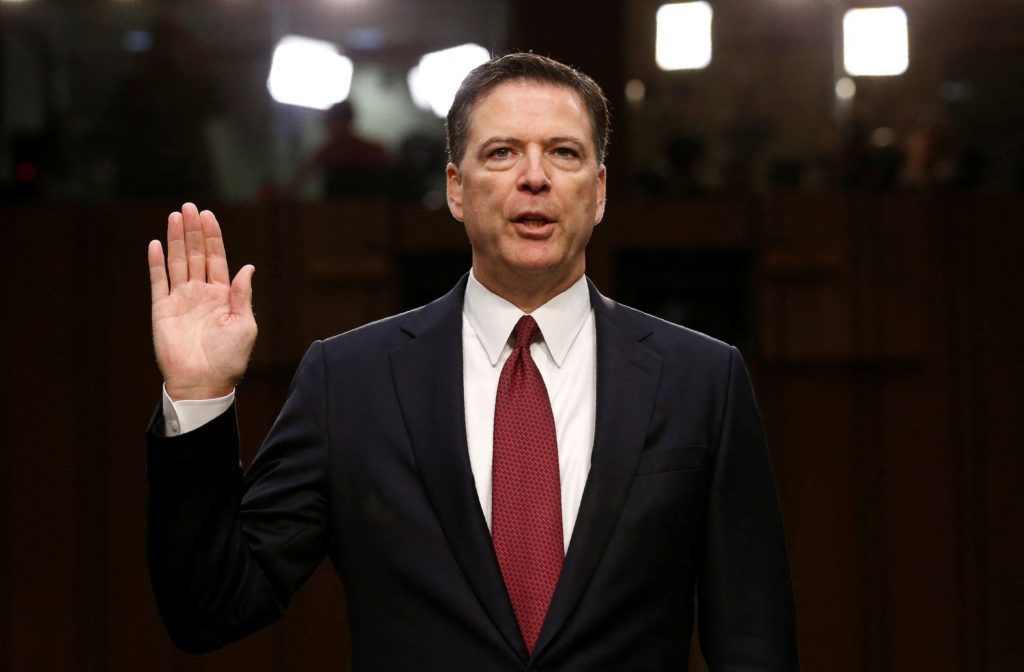
 PBS NewsHour
DOJ says full grand jury in Comey case was not presented copy of final indictment
Overview
James Comey pleaded not guilty to false statement and obstruction charges, with his legal team asserting the prosecution is politically motivated and vindictive, directed by President Trump.
Federal judges are scrutinizing the Justice Department's handling of Comey's case, citing a disturbing pattern of investigative missteps and potential misconduct within the grand jury process.
The Justice Department admitted that the full grand jury did not review the final indictment against Comey, raising significant concerns about procedural lapses and the integrity of the process.
Interim U.S. Attorney Lindsey Halligan reportedly did not present the altered indictment to the full grand jury after a count was rejected, with only two jurors present for its return.
Comey's lawyers argue these procedural irregularities and the lack of full grand jury review validate their claims of vindictive prosecution, with federal judges questioning the indictment's validity.
Analysis
Center-leaning sources frame this story by emphasizing the prosecution's procedural irregularities and alleged political motivations. They highlight judicial skepticism and the defense's claims of vindictive prosecution, often connecting the case directly to former President Trump's influence and the prosecutor's lack of experience. This collective framing questions the legitimacy of the charges against James Comey.
FAQ
Federal judges are questioning Comey's indictment because the Justice Department admitted that the full grand jury did not review the final charges, raising concerns about procedural lapses and the integrity of the indictment process.
Comey's legal team argues that the prosecution is politically motivated and vindictive, targeting Comey for being a vocal critic of President Trump, and that procedural irregularities support claims of vindictive prosecution.
The Justice Department admitted that after a count was rejected, the altered indictment was not presented to the full grand jury, and only two jurors were present when the indictment was returned, rather than the entire grand jury reviewing it.
The Justice Department denied evidence of vindictive prosecution, maintaining that the charges are justified and not politically motivated, although federal judges have expressed concern over the procedural issues.
The judge has taken under advisement the arguments about vindictive prosecution and procedural irregularities, and will review the matter further before making a ruling on whether the indictment should be dismissed.

