Federal Court Blocks Texas Redistricting Maps Over Racial Gerrymandering, State and Paxton Appeal to Supreme Court
A federal court blocked Texas's GOP-drawn redistricting maps for 2026 due to racial gerrymandering. Governor Abbott, Paxton, and the state are appealing the decision to the U.S. Supreme Court.
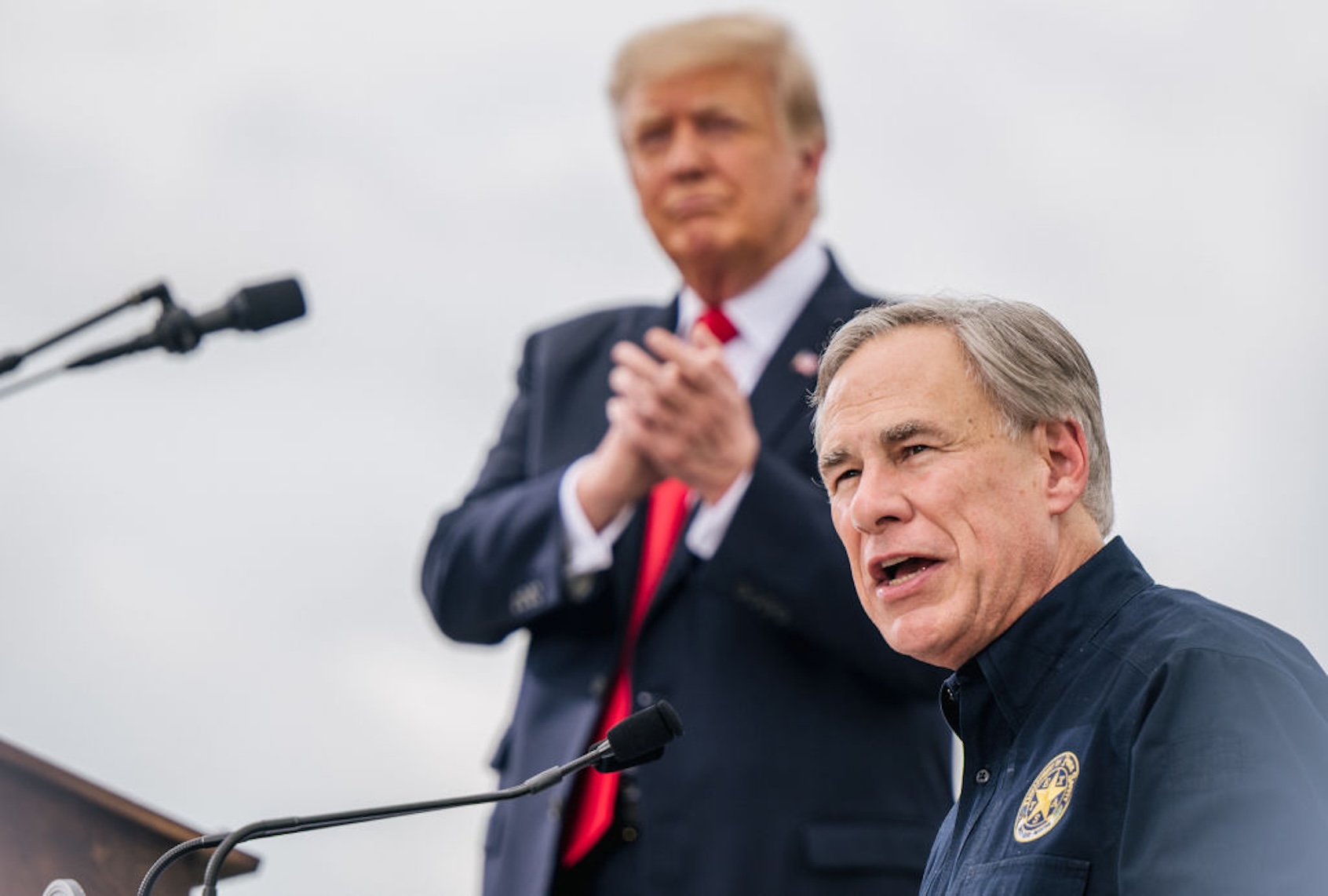
 Salon
Salon"Clearly erroneous": Texas appeals midterm redistricting ruling to Supreme Court
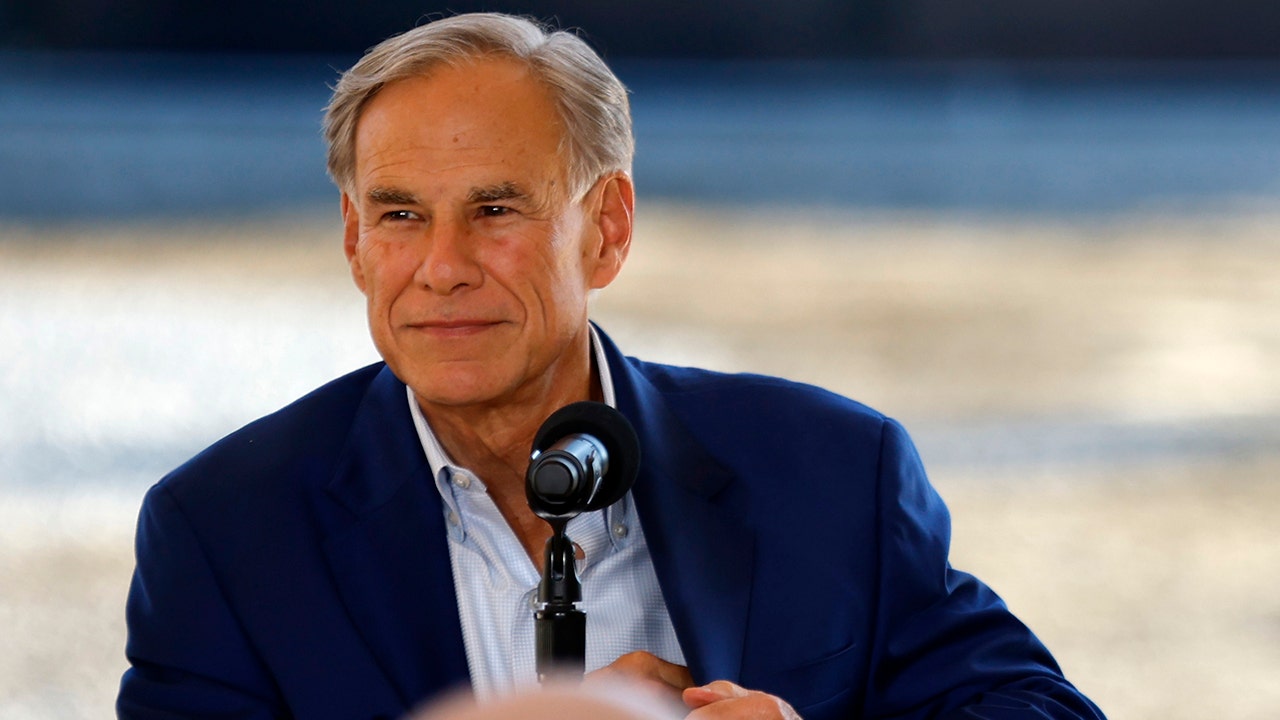
 FOX News
GOP blasts ‘false' racism claims after judges block Texas redistricting plan
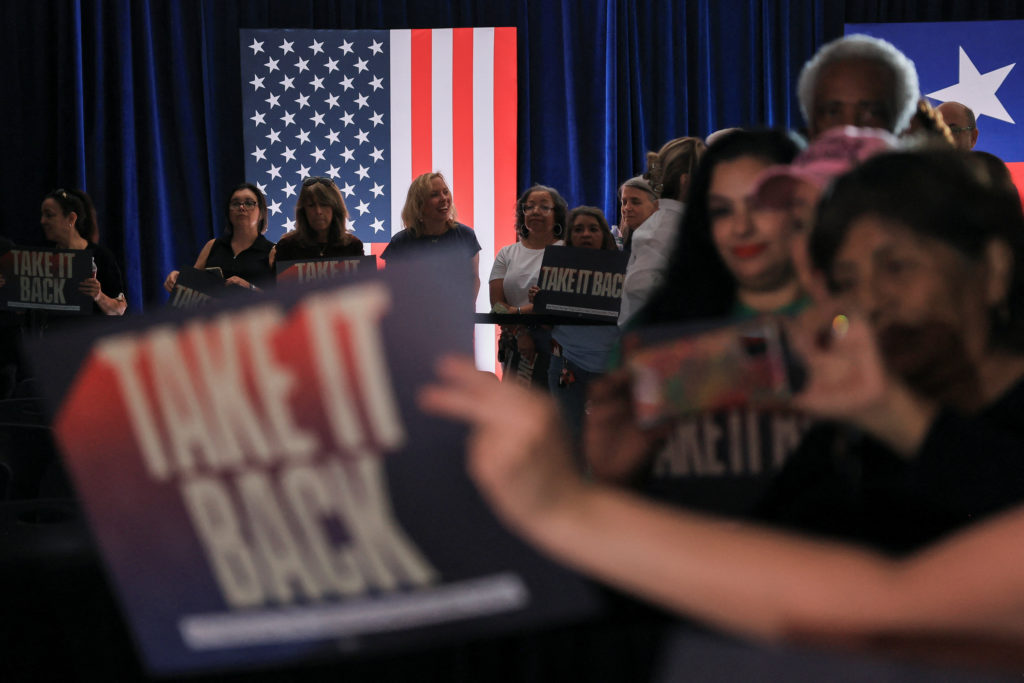
 PBS NewsHour
Why Trump's plan to help GOP keep control of the House could backfire
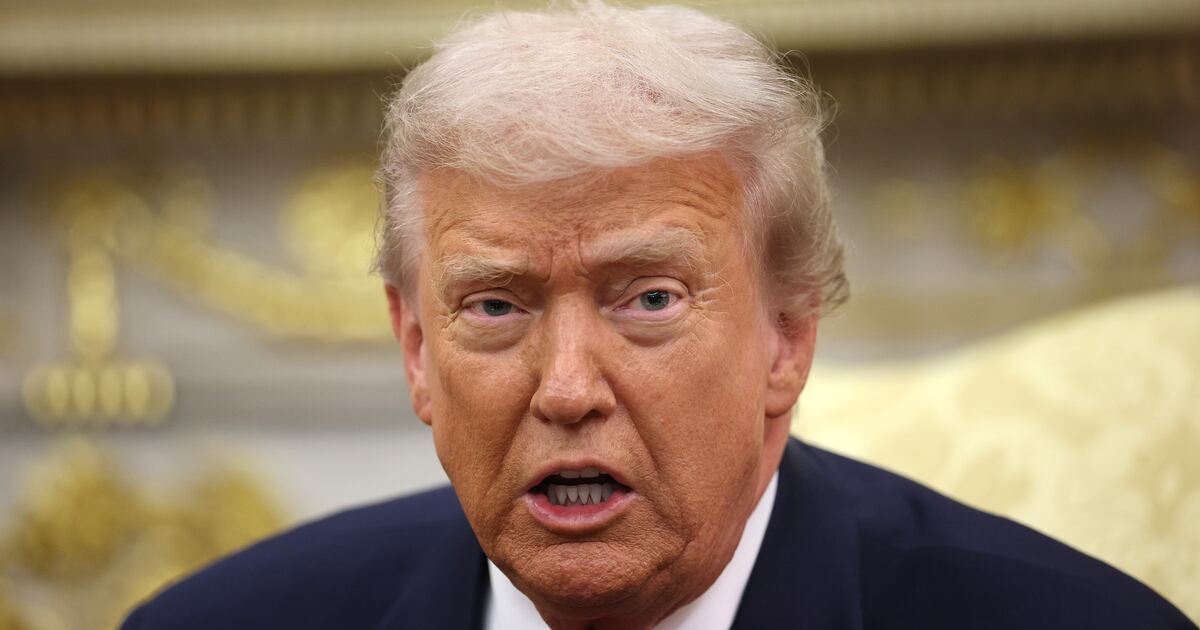
 Daily Beast
Trump-Appointed Judge Rebukes His Power Grab in Scathing Ruling
Overview
A federal court blocked Texas's GOP-drawn redistricting maps for the 2026 midterm elections, citing evidence of racial gerrymandering in a 2-1 ruling.
The court mandated Texas use its previously approved 2021 congressional map, as dividing districts along racial lines violates the US Constitution and Voting Rights Act.
The blocked map, signed by Republican Texas Gov. Greg Abbott, aimed to add up to five House seats for the GOP and reduce minority-majority districts.
Two judges, including Trump-appointed Judge Jeffrey Brown, rejected the maps, stating the district changes were racially motivated rather than purely partisan.
Governor Greg Abbott, Paxton, and the state are quickly appealing the federal court decision, impacting 2022, 2024, and 2026 elections, to the U.S. Supreme Court.
Analysis
Center-leaning sources frame this story by consistently emphasizing the political setback for Republicans and Donald Trump. They highlight the ruling's impact on the GOP's House majority and portray the situation as a significant political misstep, often linking Trump directly to the map's creation in headlines and leads. This collective editorial choice shapes the narrative around a partisan defeat.
FAQ
The federal court found substantial evidence that the 2026 Texas congressional maps were drawn to reduce minority-majority districts and increase GOP seats by dividing districts along racial lines, violating the Constitution and the Voting Rights Act. Testimonies during a 10-day hearing demonstrated that the redistricting was motivated by race rather than just politics, and that white voters were given control of 70 percent of districts despite being 40 percent of the population.
Governor Greg Abbott and Attorney General Paxton are appealing the federal court's decision blocking the 2026 redistricting maps to the U.S. Supreme Court and seeking a stay to allow the contested maps to be used in upcoming elections.
Texas is required by the federal court's preliminary injunction to use the previously approved 2021 congressional maps for the 2026 midterm elections instead of the blocked 2026 maps.
While politics influenced the redistricting, the court ruled that racial considerations predominated and that there was substantial evidence showing that the map was racially gerrymandered beyond pure partisan motives, violating legal protections.
The case could set important legal precedent on racial gerrymandering and district drawing ahead of the 2026 midterms and possibly others, with the Supreme Court potentially deciding on the limits of race-based redistricting and impacting the balance of political power in Texas and nationally.


