Border Patrol Secretly Monitors Millions of US Drivers Using License Plate Readers
U.S. Border Patrol secretly monitors millions of American drivers using license plate readers, identifying and detaining individuals based on suspicious travel patterns related to trafficking.
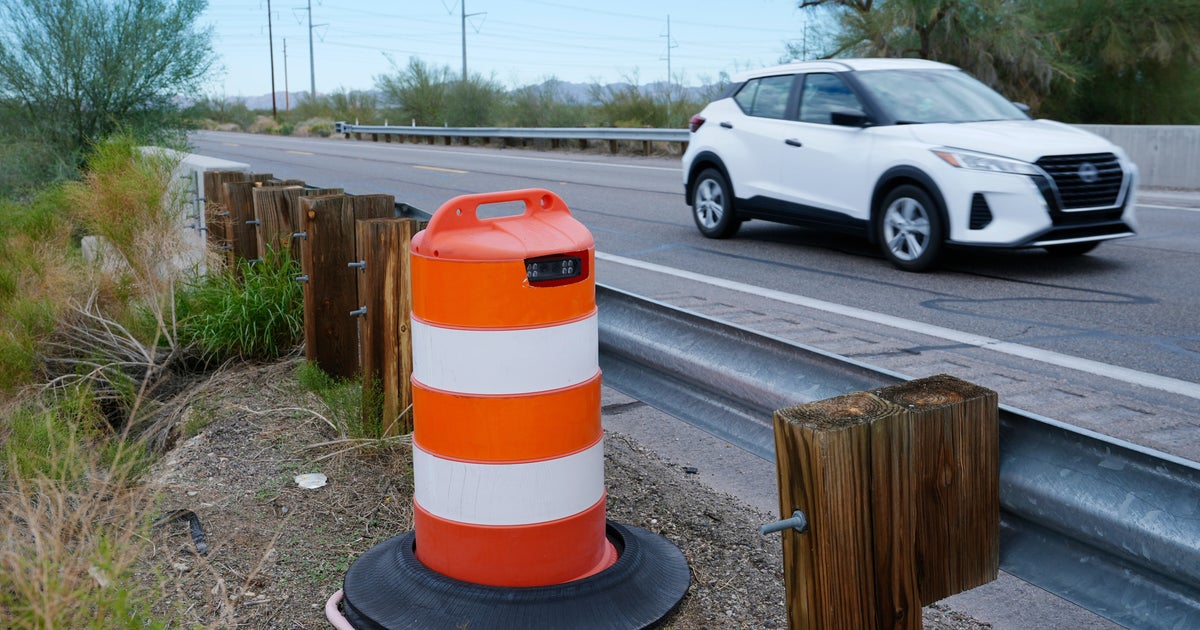




Overview
The U.S. Border Patrol is secretly monitoring millions of American drivers across the nation, utilizing a predictive intelligence program to track their movements.
This program aims to identify and detain individuals exhibiting 'suspicious travel patterns,' based on criteria developed by the Border Patrol itself.
The monitoring is conducted through scanned license plate information, which flags vehicles and individuals deemed to have suspicious behavior.
Individuals identified by this program are subsequently stopped, searched, and in some cases, arrested, often based on suspected drug or human trafficking links.
The Border Patrol has reportedly concealed details about its extensive license plate reader program, raising concerns about transparency and privacy for US citizens.
Analysis
Center-leaning sources frame the Border Patrol's surveillance as a secretive, overreaching "mass surveillance network" that infringes on civil liberties. They emphasize its expansion beyond traditional borders, the use of pretextual stops, and the agency's efforts to conceal program details, portraying it as a "domestic intelligence operation" impacting ordinary Americans through a "dragnet."
FAQ
The U.S. Border Patrol uses license plate readers (LPRs), which are automated image-processing systems that capture license plate information and related vehicle data to track and identify vehicles.