Supreme Court Blocks, Then Reinstates Texas Voter Map Amid Racial Bias Allegations
Federal judges found Texas's new voter map likely racially biased, but the Supreme Court temporarily blocked the order, with Justice Alito reinstating the map, potentially aiding the GOP.

 USA TODAY
SCOTUS pauses lower court order that tossed Texas voting maps

 Daily Caller
Alito Temporarily Reinstates Texas' Congressional Map Likely To Help GOP

 Al Jazeera
US Supreme Court blocks order on likely racial bias in new Texas voter map
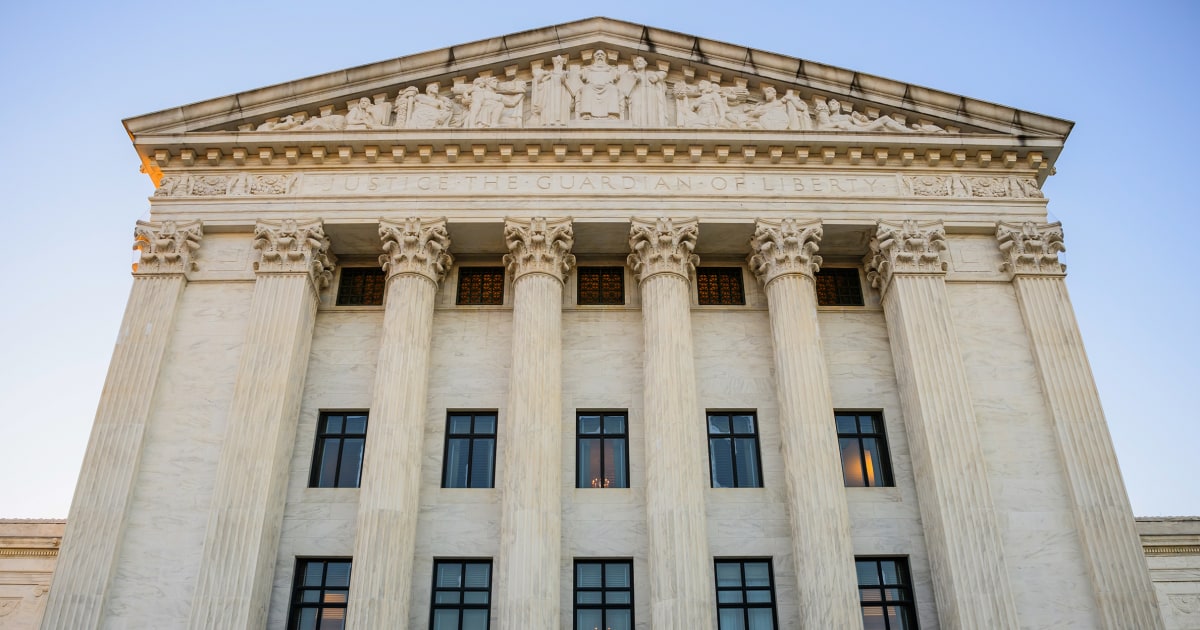
 NBC News
Supreme Court temporarily reinstates Texas Republicans' redrawn congressional map
Overview
Federal judges in El Paso ruled 2-1 that civil rights groups challenging Texas's new voter map on behalf of Black and Hispanic voters were likely to win their case.
Lower federal courts and a three-judge panel had previously deemed Texas's House and congressional maps unconstitutional racial gerrymanders.
The U.S. Supreme Court temporarily blocked these lower court rulings, reinstating the map despite findings of likely racial bias.
Justice Alito temporarily reinstated the map, a move that could potentially help the GOP, as the Supreme Court considers its use in upcoming midterm elections.
This intervention occurred as Texas faces a December 8 candidate filing deadline for March primaries, with the Supreme Court awaiting responses from civil rights groups.
Analysis
Center-leaning sources cover this story neutrally, focusing on factual reporting of the Supreme Court's temporary pause on the Texas voting map. They provide balanced context on the legal arguments, including the lower court's finding of likely racial discrimination and Texas's defense of partisan redistricting. The coverage avoids loaded language and presents multiple perspectives without undue emphasis.
FAQ
The allegations state that Texas's new voter map was likely a racial gerrymander designed to dilute the voting power of Black and Hispanic voters, preventing them from electing candidates of their choice, which plaintiffs argue violates the Voting Rights Act and the Constitution.
The Supreme Court temporarily blocked lower court rulings that found the map racially biased but later reinstated the map, with Justice Alito's intervention aimed at allowing its use for upcoming elections while the Court further reviews the case, potentially impacting GOP electoral prospects.
Civil rights groups such as the NAACP and the Lawyers Committee for Civil Rights Under Law brought legal challenges against the Texas voter map, asserting it was a racially discriminatory gerrymander, and sought injunctions to prevent its use in elections.
The new voter map is alleged to diminish the electoral influence of Black and Hispanic voters, favoring white voters and the GOP, which currently controls a disproportionate share of congressional seats relative to the state's racial demographics.
State representatives testified that the map was drawn with a 'race-blind' process, denying the creation of 'coalition districts,' and argued that the map did not constitute racial gerrymandering, despite allegations to the contrary.