Homeland Security Defies Judge's Order, Continues Deportation Flights to El Salvador
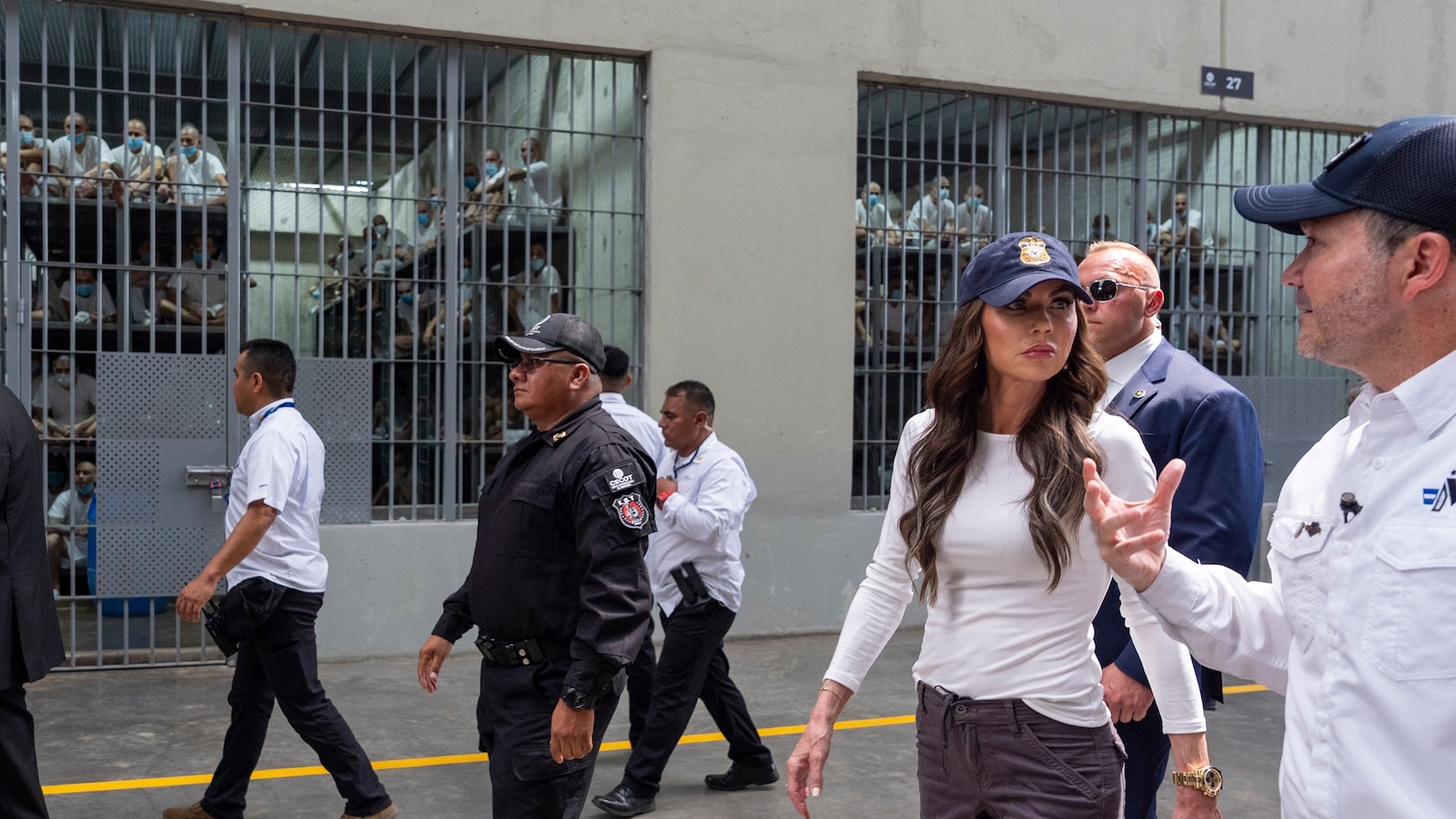
Homeland Security Secretary Kristi Noem allowed deportation flights to El Salvador to continue, defying a judge's order to halt the removal of 250+ gang members.

 CNN
CNNDOJ acknowledges Kristi Noem made decision to continue deportation flights to El Salvador despite judge’s order | Politics
 ABC News
Kristi Noem directed Venezuelans to be sent to El Salvador after federal judge ordered deportation planes turned around: DOJ

 CBS News
Noem made decision not to turn around deportation flights bound for El Salvador after judge's order, DOJ says

 NBC News
Kristi Noem made final call on deportation flights after judge ordered planes to turn back, DOJ says
Overview
Homeland Security Secretary Kristi Noem permitted deportation flights to El Salvador to continue, directly contravening a federal judge's order to return the individuals to the United States.
More than 250 suspected gang members, including those from Venezuela's Tren de Aragua and MS-13, were transported to El Salvador as part of a Trump administration initiative.
These deportation flights proceeded despite a federal judge's explicit order to turn them around, raising questions about the administration's adherence to judicial directives.
The Justice Department asserted that the administration did not violate the judge's order by continuing the flights, arguing no further action is required for those already deported.
The incident highlights a conflict between the executive branch's immigration enforcement actions and the judiciary's oversight regarding deportation procedures to El Salvador.
Analysis
Center-leaning sources cover this story neutrally, focusing on reporting the facts of the legal proceedings and attributing information clearly. They present the various parties' claims and actions without injecting editorial bias or loaded language, allowing readers to form their own conclusions based on the presented information.
FAQ
The federal judge ordered the deportation flights to be halted due to concerns about due process and the legality of removing individuals without proper judicial review, particularly regarding their rights and the potential risks they face in El Salvador.
The Justice Department argued that the judge's order only applied to individuals who had not yet been deported, and since the flights had already departed, no further action was required for those already removed from the United States.
The deportation flights targeted more than 250 suspected gang members, including members of Venezuela's Tren de Aragua and MS-13, as part of a broader immigration enforcement initiative.
This conflict raises concerns about the balance of power between the executive and judicial branches, particularly regarding the enforcement of judicial orders and the protection of individual rights in immigration cases.
Deported individuals, especially suspected gang members, may face risks such as detention, violence, or lack of access to legal protections in El Salvador, where the government has taken a hardline stance against gangs.