Supreme Court Skeptical of New Jersey's Donor List Demand from Faith-Based Pregnancy Center
Supreme Court justices expressed skepticism regarding New Jersey's subpoena for donor lists from a faith-based pregnancy center, citing First Amendment concerns about a chilling effect on donations.
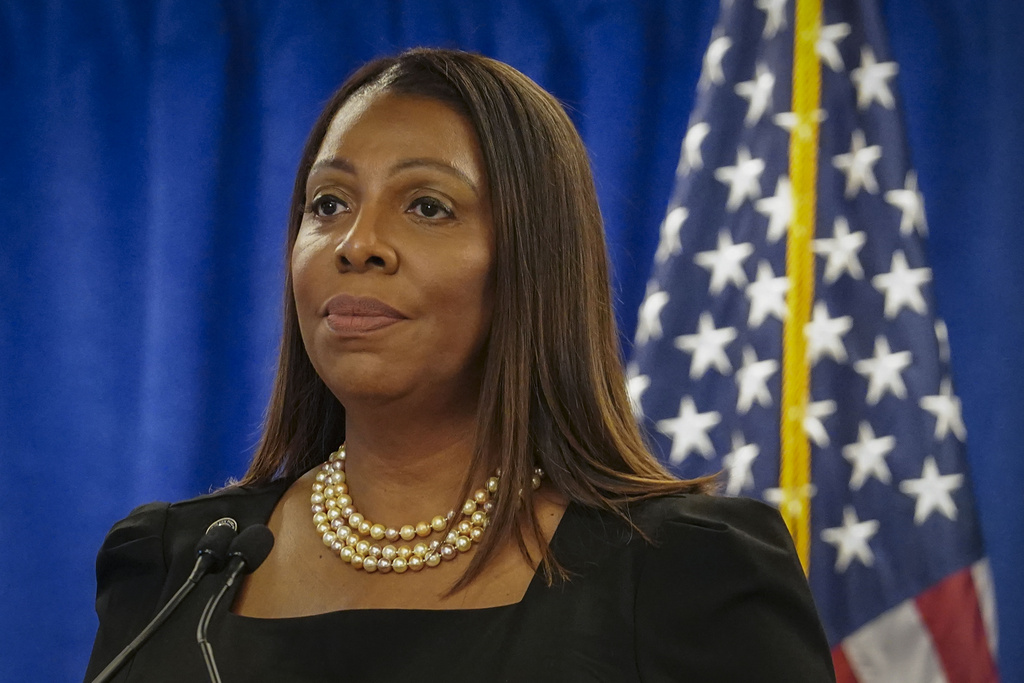
 New York Sun
Crisis Pregnancy Centers Assert Their Rights
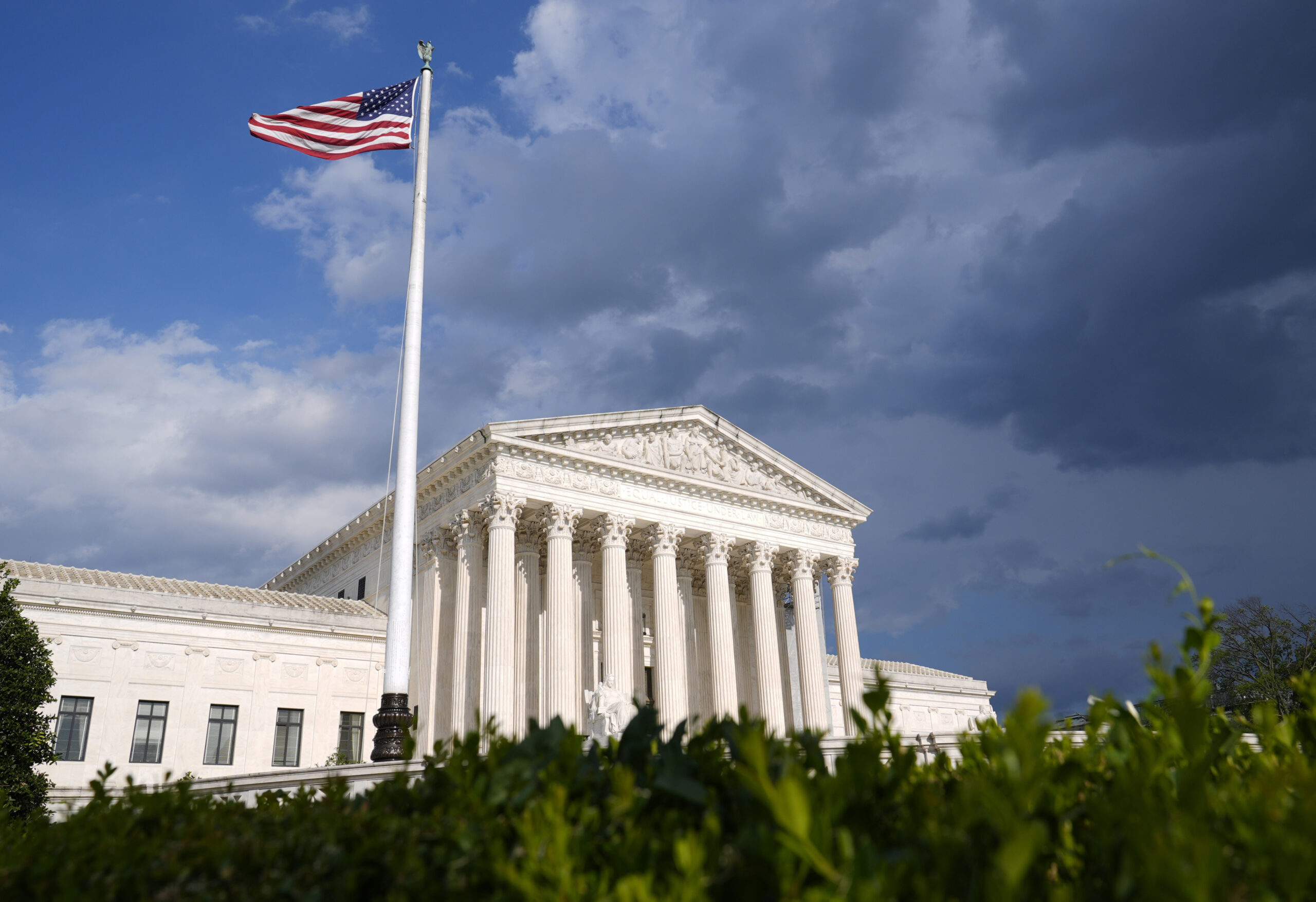 New York Sun
Supreme Court Appears Skeptical of New Jersey’s Campaign Against Faith-Based Pregnancy Center
 Daily Signal
4 Takeaways From Supreme Court First Amendment Case on Pro-Life Pregnancy Centers

 Joe.My.God.
SCOTUS Likely To Side With Fake Abortion Clinics
Overview
Supreme Court justices appeared skeptical of New Jersey's campaign against First Choice Women’s Resource Center, a faith-based pregnancy center, during recent arguments.
First Choice challenged the New Jersey Attorney General's subpoena for private donor lists, arguing it violates the First Amendment by creating a "chilling effect" on donors.
Chief Justice John Roberts and other justices expressed doubt that a subpoena, even as a 'request,' would not intimidate future donors, highlighting concerns about free speech.
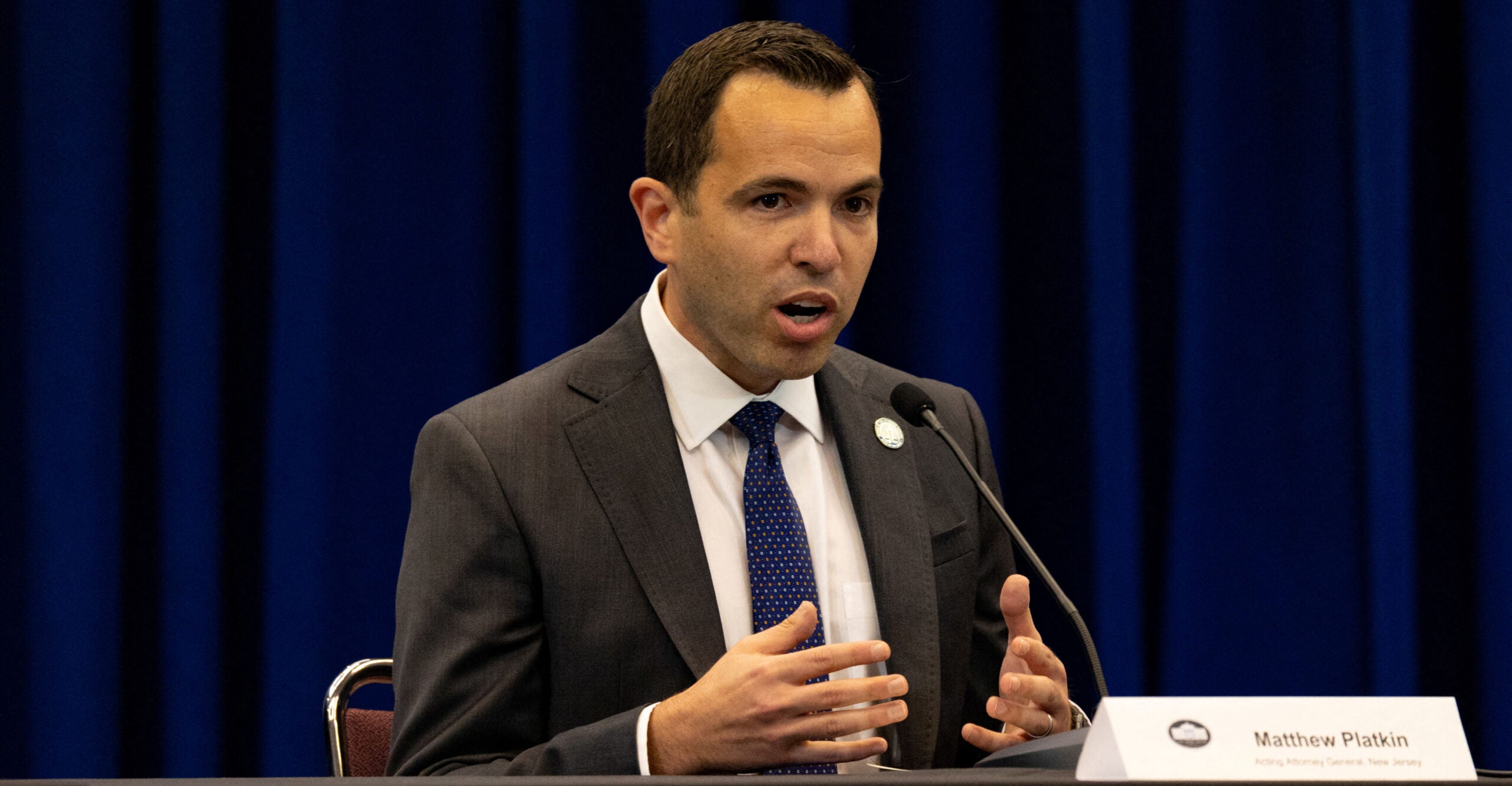
New Jersey Attorney General Matthew Platkin's 2023 subpoena sought extensive documentation without specified complaints, intensifying state scrutiny on non-abortion performing centers.
The Supreme Court's eventual ruling will significantly impact First Amendment rights and the scope of state investigations into faith-based crisis pregnancy centers nationwide.
Analysis
Center-leaning sources cover this story neutrally, presenting the legal dispute surrounding First Choice Women's Resource Centers and New Jersey's Attorney General without taking a side. They provide factual background on crisis pregnancy centers and the post-Roe landscape, while clearly outlining the arguments from both the pregnancy center and the state regarding the subpoena and First Amendment rights.
FAQ
The justices expressed concerns that the subpoena could violate the First Amendment by chilling free speech and associational rights, as revealing donor identities might intimidate future donors and discourage support for the centers.
The subpoena seeks to investigate whether First Choice engaged in deceptive or unlawful conduct under the New Jersey Consumer Fraud Act, including requests for donor information and internal communications, despite lacking specific complaints.
First Choice has challenged the subpoena in court, arguing it violates their First and 14th Amendment rights and constitutes selective targeting due to their pro-life views. However, their request to block the subpoena has been denied by lower courts including the New Jersey circuit judge and the Third Circuit Court of Appeals.
The ruling will have significant impact on First Amendment rights, specifically on the limits of state investigative powers and privacy protections for donor identities related to faith-based crisis pregnancy centers across the United States.
Chief Justice John Roberts and other justices expressed skepticism that the subpoena, even if framed as a request, would not intimidate donors. They highlighted that such demands could create a chilling effect, discouraging donors from supporting the centers due to fears of disclosure.