Trump Administration Pauses Immigration Processing for 19 Countries Amid New Security Policies
The Trump administration has paused immigration processing for green cards and citizenship applications from 19 countries, citing national security concerns and expanding restrictions following a recent shooting incident.
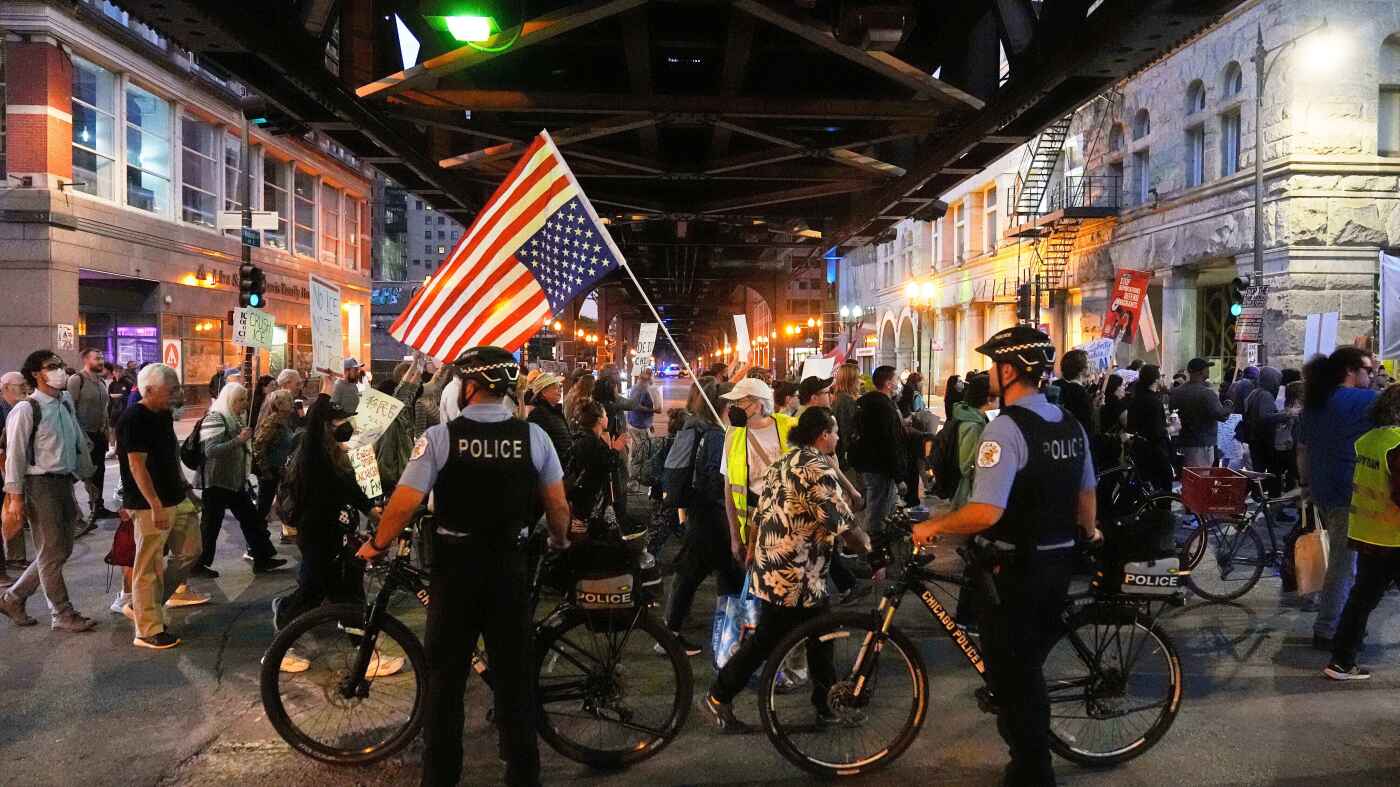
 NPR
NPRTrump administration halts immigration applications for migrants from 19 nations
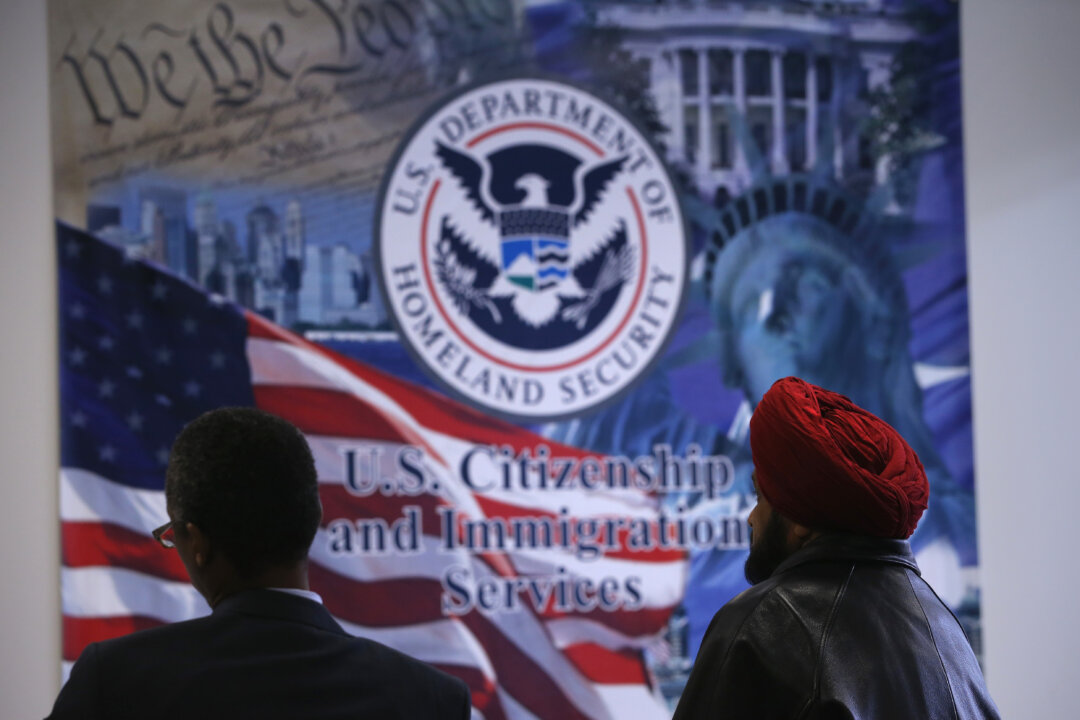
 Epoch Times
Trump Administration Halts Immigration Processing From 19 Countries

 NBC News
Trump administration pauses immigration applications from nationals of 19 countries
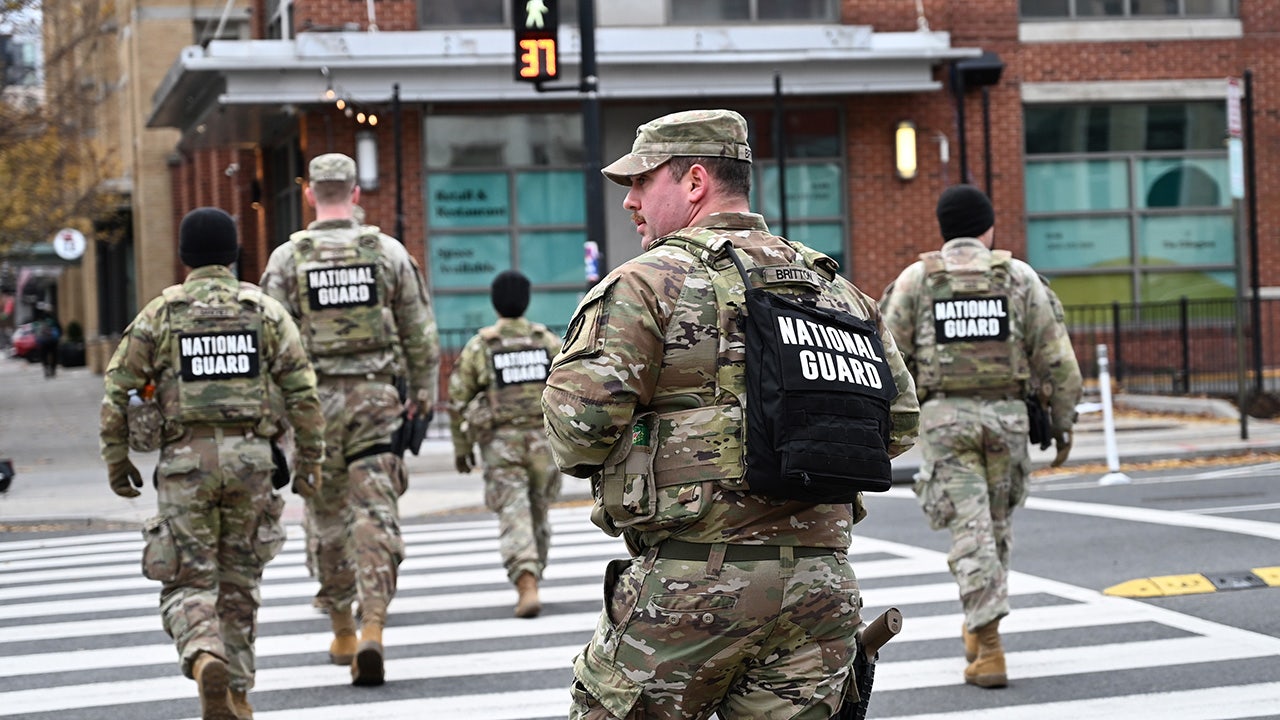
 FOX News
Politics Newsletter: Trump admin 're-examining' all Afghans imported after DC shooting
Overview
The Trump administration introduced new policies to restrict foreign nationals' entry and stay in the U.S., prompted by a shooting involving an Afghan asylum recipient.
These restrictions include pausing asylum decisions and reexamining green card applications for individuals from "of concern" countries due to security concerns.
The State Department also halted visa issuance for those with Afghan passports and for Afghans who had assisted the U.S. war effort.
Immigration processing for green cards and citizenship applications has been specifically paused for nationals from 19 countries.
This expands on a June ban affecting nationals from 12 countries, bringing the total number of nations facing paused immigration applications to 19.
Analysis
Center-leaning sources cover this story neutrally by presenting a balanced account of the Trump administration's new immigration policies. They detail the administration's stated reasons, such as national security concerns following a shooting, alongside criticisms from refugee advocates who describe the actions as collective punishment. The reporting attributes all strong opinions, maintaining an objective tone.
FAQ
The full ban applies to Afghanistan, Burma, Chad, Republic of the Congo, Equatorial Guinea, Eritrea, Haiti, Iran, Libya, Somalia, Sudan, and Yemen. The partial ban covers Burundi, Cuba, Laos, Sierra Leone, Togo, Turkmenistan, and Venezuela.
The administration cited inadequate vetting and information sharing, high rates of visa overstays, and countries refusing to accept their nationals who have been ordered deported from the U.S.
Yes, people with current visas, legal permanent residents, dual nationals, immediate relatives of U.S. citizens, refugees, Afghan Special Immigrant Visa holders, and members of athletic teams traveling for major events are exempt.
The June 2025 ban is broader, targeting 19 countries instead of 12, and includes both full and partial bans, affecting more visa categories and expanding the scope of restrictions.
Yes, countries can be removed if they make 'material improvements' in areas like vetting and information sharing, and new countries can be added if new threats emerge.