Supreme Court to Consider Trump's Birthright Citizenship Order After Justice Department Appeal
The Supreme Court will consider President Trump's executive order to restrict birthright citizenship, appealed by the Justice Department after lower courts blocked its implementation.

 USA TODAY
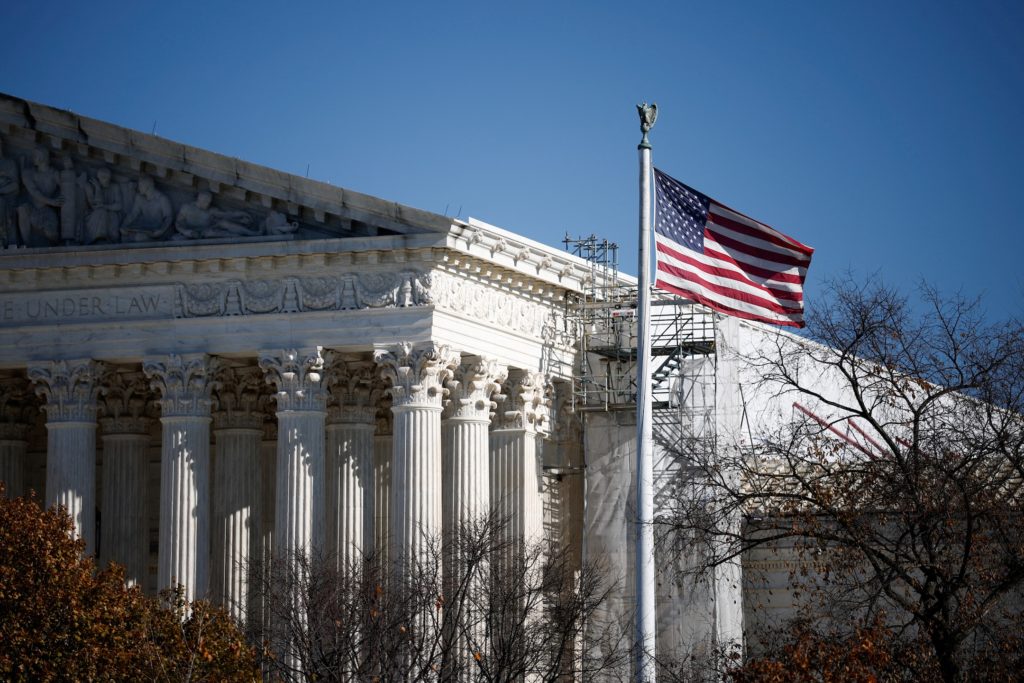
What is birthright citizenship? What to know after Supreme Court agrees to hear appeal
 PBS NewsHour
News Wrap: Supreme Court to hear case on Trump’s order ending birthright citizenship
 Breitbart News
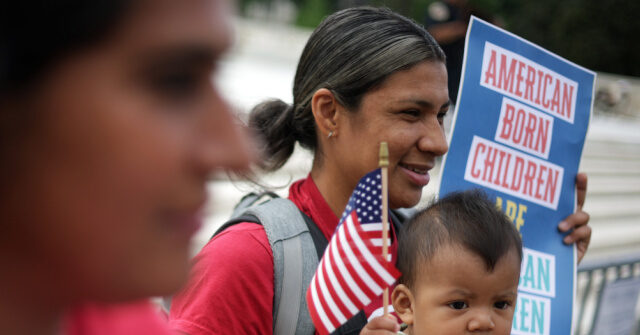
Supreme Court to Consider Trump's Plan to Curb Birthright Citizenship
 The Blaze
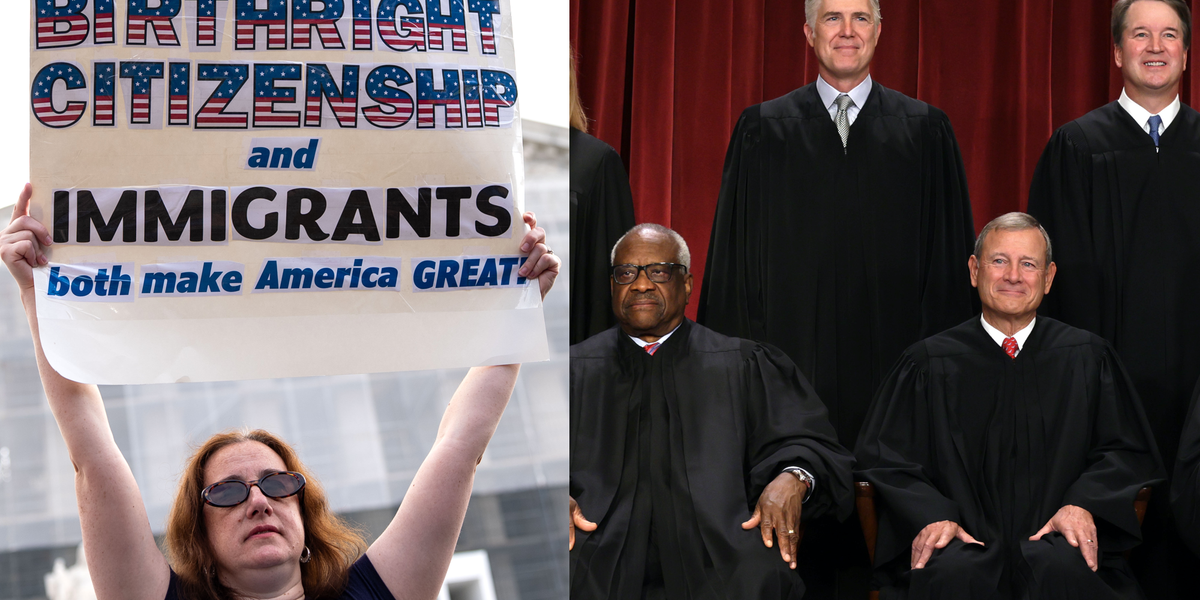
Supreme Court will hear arguments for ending birthright citizenship
Overview
The Supreme Court is set to consider President Trump's executive order aimed at restricting birthright citizenship for children born in the U.S. to non-citizens.
This executive order directly challenges the long-held understanding of the 14th Amendment, which historically grants citizenship to all individuals born on American soil.
Lower federal courts have consistently found Trump's order unconstitutional, issuing nationwide injunctions and blocking its implementation across over 22 U.S. states.
The Justice Department is appealing these lower court decisions, arguing that children of undocumented immigrants or temporary visitors are not entitled to U.S. citizenship.
Oral arguments are anticipated next spring, with a Supreme Court ruling expected by June or early July, potentially resolving the case without directly addressing the constitutional question.
Analysis
Center-leaning sources cover this story neutrally, presenting a balanced overview of the birthright citizenship debate. They provide historical context for the 14th Amendment, outline President Trump's legal challenge, and include opposing viewpoints from the ACLU. The inclusion of demographic data further supports an informative, unbiased approach.
FAQ
President Trump's executive order seeks to end birthright citizenship for U.S.-born children if neither parent is a U.S. citizen or lawful permanent resident, including children born to parents who are undocumented or temporarily in the U.S. on visas.
Lower federal courts have consistently found the executive order unconstitutional, issuing nationwide injunctions because it conflicts with the 14th Amendment, which grants citizenship to all born on U.S. soil regardless of parents' immigration status.
The Justice Department has appealed the lower courts' rulings blocking the order and requested the Supreme Court to consider the case, arguing that children of undocumented immigrants or temporary visitors should not automatically be granted citizenship.
Oral arguments before the Supreme Court are expected next spring, with a ruling anticipated by June or early July, which could resolve the case without directly addressing the constitutional question.
If enforced, children born in the U.S. to parents without citizenship or permanent legal status could be denied U.S. citizenship, preventing them from obtaining social security numbers, passports, access to federal programs like Medicaid, and rights such as voting or jury service.