Federal Appeals Court Upholds Trump-Era Transgender Military Ban
A federal appeals court in Washington, DC, upheld the Trump administration's ban on transgender individuals serving in the military, referencing the Hegseth Policy.

 The Post Millennial
BREAKING: Appeals court upholds Trump’s trans military ban
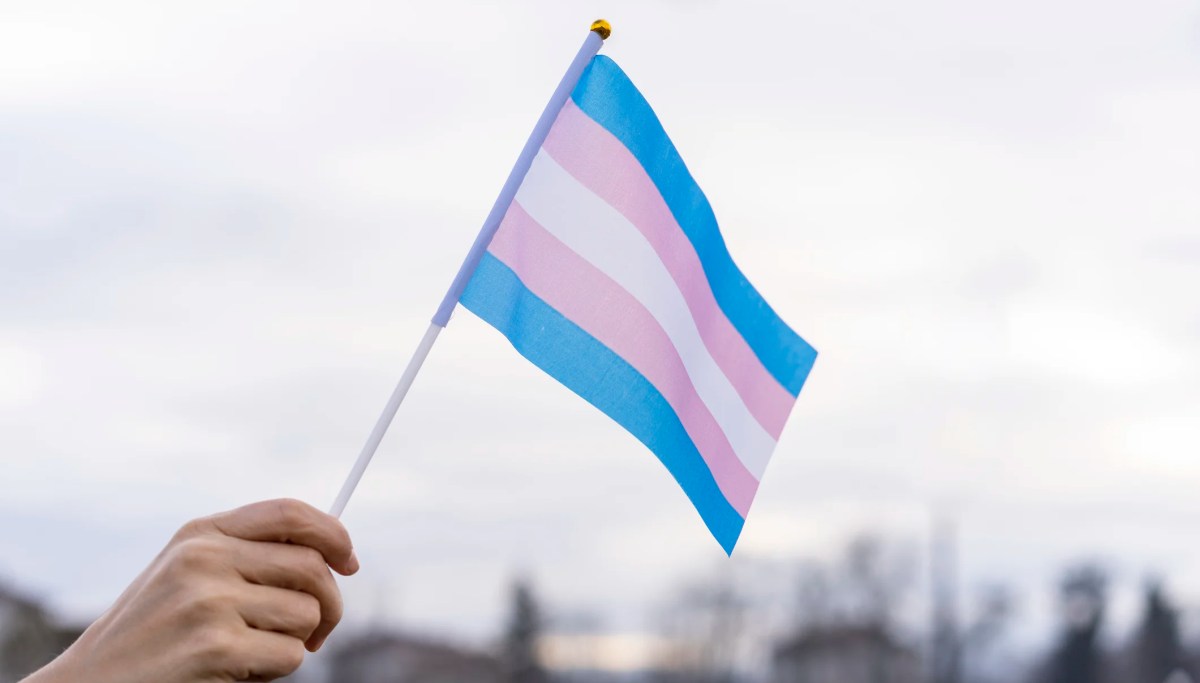
 Washington Examiner
Appeals court hands Trump win in lawsuit over transgender military ban

 Joe.My.God.
Appeals Court Backs Hegseth On Trans Military Ban
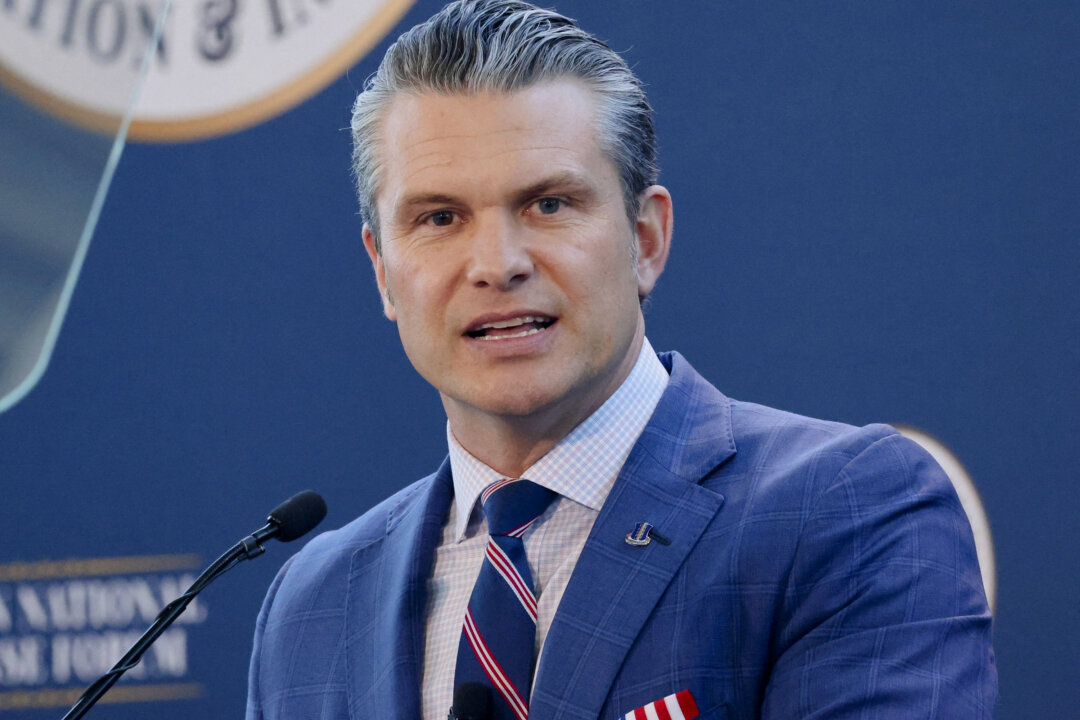
 Epoch Times
Appeals Court Temporarily Allows Ban on Troops With Gender Dysphoria
Overview
A federal appeals court in Washington, DC, upheld the Trump administration's policy banning transgender individuals from serving in the United States military.
U.S. Circuit Judge Gregory Katsas supported the majority decision, citing ample evidence for temporarily allowing the ban to proceed.
The court's ruling specifically referenced the Hegseth Policy and the United States v. Skrmetti decision as legal precedents for its judgment.
This upheld policy restricts individuals diagnosed with gender dysphoria from military service, a measure initially implemented by the Trump administration.
The decision by the federal appeals court affirms the controversial ban, impacting transgender individuals seeking to serve in the U.S. armed forces.
Analysis
Analysis unavailable for this viewpoint.
FAQ
The court referenced the Hegseth Policy and the United States v. Skrmetti decision as legal precedents supporting the upholding of the transgender military ban.
The policy prohibits transgender individuals, including those diagnosed with gender dysphoria or who have undergone gender transition treatments, from serving in the military. It also requires identification and removal of transgender service members and disallows hormone therapy and transition-related surgeries for military personnel.
Judges appointed by Donald Trump generally supported the ban, citing military judgment and interests, whereas a judge appointed by Barack Obama dissented strongly, describing the policy as discriminatory and hostile toward transgender individuals.
The ruling upheld the ban, meaning transgender individuals diagnosed with gender dysphoria are restricted from serving, with active service members potentially subject to removal and no exceptions granted for those who transitioned before joining.
The appeals court cited considered judgments of military leaders, concerns about medical and mental health constraints related to gender dysphoria, and cited studies on deployability and military readiness as justifications for the ban.