Indiana Senate Advances Trump-Backed Redistricting Bills Amidst GOP Opposition
Indiana Senate committees advanced Trump-backed redistricting bills, aiming to split Indianapolis and remove Democratic districts to boost Republican U.S. House seats.

 Chicago Tribune
Indiana Senate on verge of passing redistricting bill

 Daily Signal
Super PAC Announces Major Campaign to Primary Republicans Who Oppose Indiana Redistricting
 CBS News
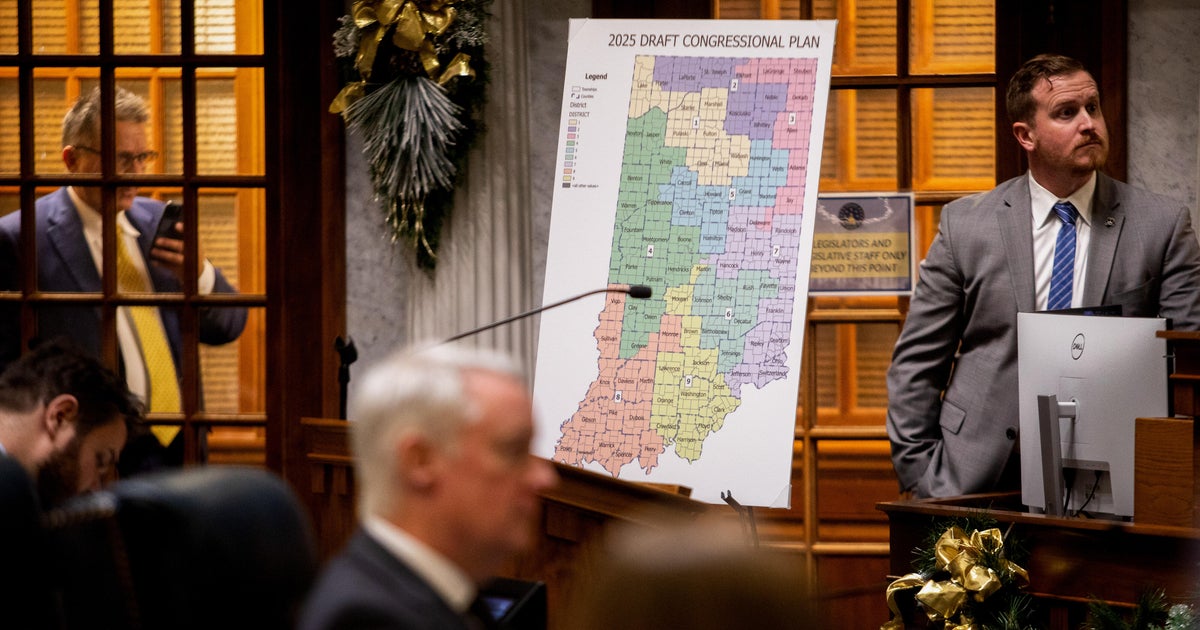
Indiana Senate to vote Thursday on 9-0 Republican congressional map, but its passage is uncertain
 New York Sun
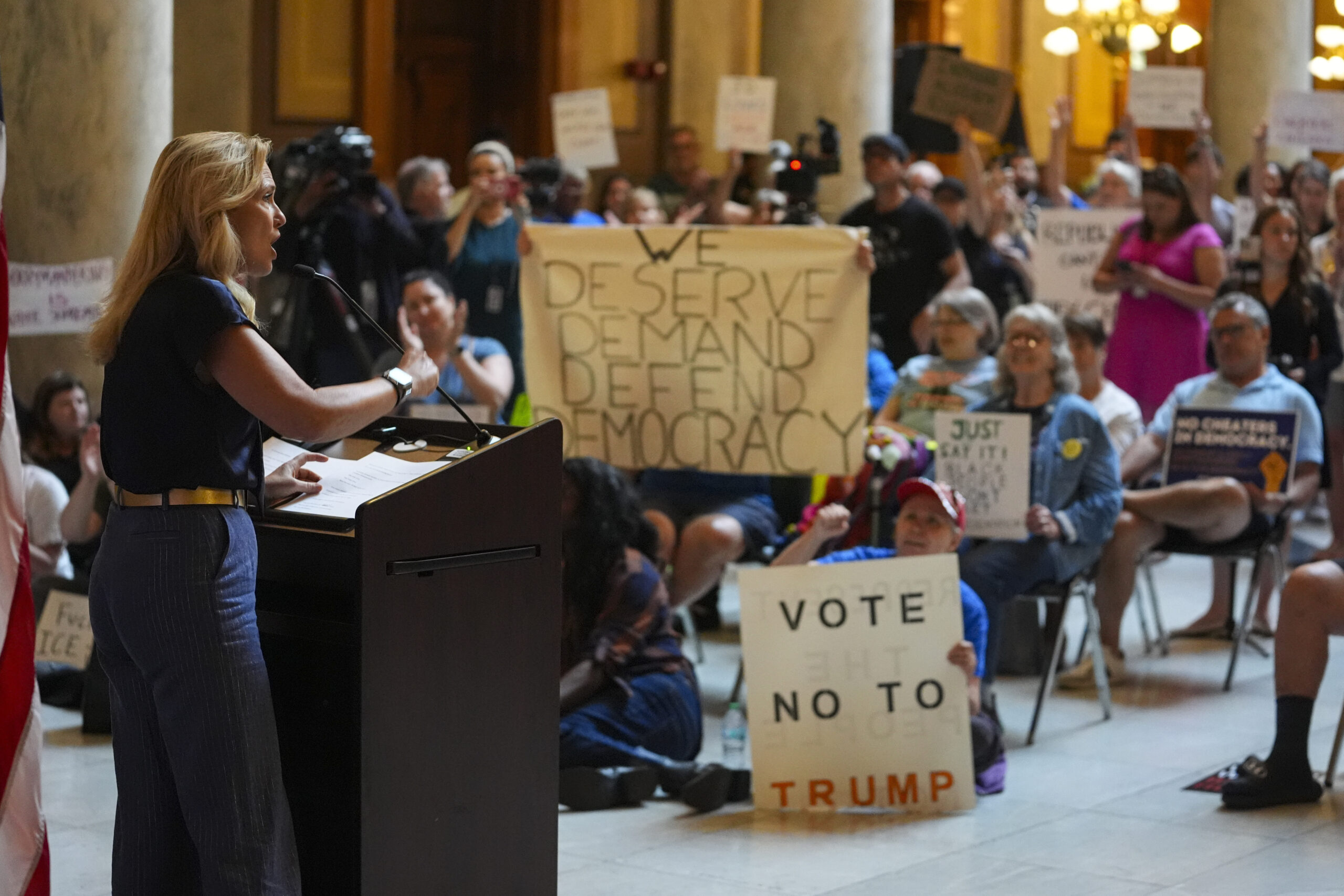
Congressional Redistricting Moves Forward in Indiana Senate
Overview
Indiana state Senate committees advanced redistricting bills, backed by President Donald Trump, after marathon sessions, moving them towards a final floor vote.
The proposed legislation aims to split Indianapolis into four Republican-leaning districts and remove the districts of Indiana's two Democratic congressional representatives.
This mid-decade redistricting, unusual as it typically follows a census, is designed to create more favorable electoral environments for Republican candidates in upcoming midterms.
The bills advanced with a 6-3 committee vote, notably facing opposition from one Republican and two Democratic lawmakers, highlighting internal party divisions.
A final Senate vote, expected Thursday, will test President Trump's influence on the Republican Party and its efforts to expand GOP presence in the U.S. House.
Analysis
Center-leaning sources cover the Indiana redistricting story neutrally, focusing on factual reporting of the legislative process and diverse viewpoints. They present the committee's vote, former President Trump's pressure, and arguments from both supporters and opponents of the new map, without adopting a biased stance or using loaded language.
FAQ
The bill aims to redraw Indiana's congressional districts to favor Republicans by splitting Indianapolis into four Republican-leaning districts and removing districts held by Democratic representatives, thereby boosting Republican U.S. House seats.
This redistricting is mid-decade, which is unusual because redistricting typically occurs following a decennial census rather than partway through a decade.
The bill faced opposition from one Republican and two Democratic lawmakers in the Senate Elections Committee, highlighting internal Republican divisions and concerns raised by Democrats; the final Senate vote remains uncertain with several lawmakers opposing it.
President Donald Trump and Governor Mike Braun have supported the redistricting bill and have endorsed primary challenges against Republicans who do not support the new map, signaling strong backing from top Republican figures.
Amendments included proposals for a non-partisan redistricting system and redistricting standards, but all amendments failed in the Senate committee, with the bill's sponsor asserting that true nonpartisan redistricting is unrealistic.
