Supreme Court Considers Overturning Campaign Finance Spending Limits
The Supreme Court is considering overturning a 2001 decision on campaign finance limits. Republicans challenge spending caps as a First Amendment violation, while Democrats support them.
 CBS News
Supreme Court weighs campaign finance limits in GOP-backed challenge

 Daily Caller
SCOTUS Weighs Republican Challenge To Coordinated Party Spending Limits

 Al Jazeera
US top court weighs rollback of limits on party campaign spending
 Daily Signal
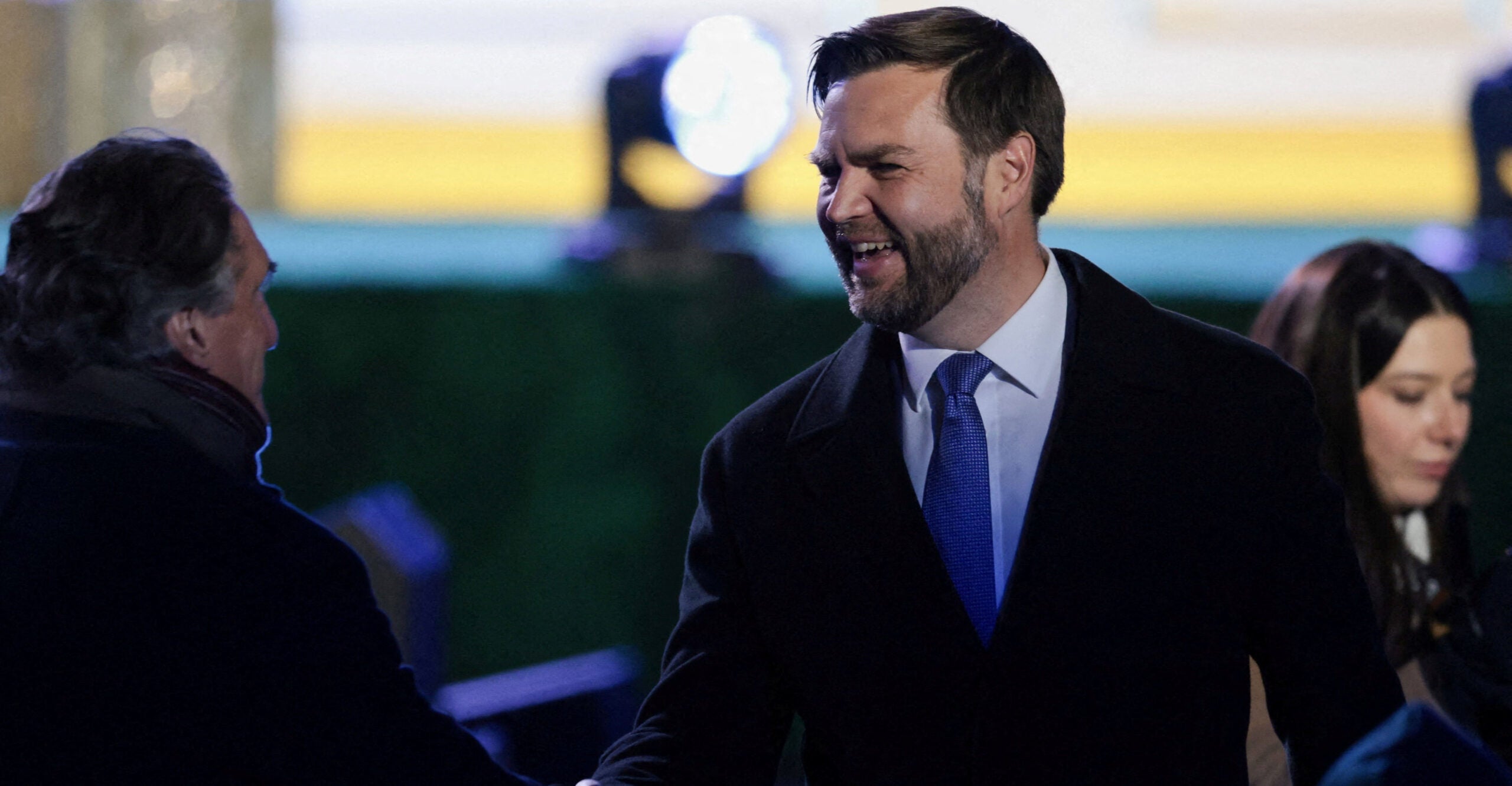
Vance 2028 Buzz in SCOTUS Arguments During Campaign Spending Limits Case

 USA TODAY
Supreme Court may scrap campaign finance limit challenged by Trump, GOP
Overview
Conservative Supreme Court justices are currently considering overturning a 2001 decision that established limits on campaign finance spending, a move supported by the GOP.
Republicans are challenging existing campaign spending limits, arguing they violate the First Amendment's Free Speech Clause and that relevant laws have evolved since the original ruling.
Three conservative justices lean towards striking down spending caps. The court's three liberal justices express concern about future challenges to other campaign finance rules.
The principal deputy solicitor general presented arguments suggesting that campaign finance caps serve broader purposes beyond solely preventing corruption in political campaigns.
Democrats advocate for maintaining limits on coordinated party spending, asserting that such regulations are crucial for preventing corruption within the political campaign finance system.
Analysis
Center-leaning sources frame this story by emphasizing the potential erosion of campaign finance regulations and the associated risks of corruption. They highlight the Supreme Court's conservative majority's inclination to favor free speech over anti-corruption measures, linking the current case to broader concerns about political influence and partisan advantage in elections.
FAQ
The challenge focuses on limits set by Congress on the amount of money a political party can spend in direct coordination with a candidate, known as coordinated spending limits. For 2025, the Senate nominee caps range from $127,200 to $3.9 million, and for House nominees, the limit is $63,300 in most states.
Republicans argue the coordinated spending limits violate the First Amendment's Free Speech Clause by restricting political speech, asserting that laws have evolved since previous rulings and that such caps infringe on constitutional rights.
Democrats argue that limits on coordinated party spending are crucial to preventing corruption and quid pro quo arrangements in political campaigns, ensuring fairness by stopping individuals from circumventing individual contribution caps via party channels.
The Supreme Court has become more conservative, narrowing the scope of contribution limits and striking down several campaign finance regulations, including rolling back caps on corporate spending in the 2014 Citizens United decision.
Overturning these limits could allow unlimited coordinated spending, potentially leading to greater influence of wealthy donors in elections, undermining existing contribution limits and raising concerns about money swamping American elections and drowning out voters’ will.


