Bulgarian Government Resigns Amid Mass Protests Over Budget Plan
The Bulgarian government resigned following mass protests over a controversial budget plan. Despite scrapping the plan, public anger persisted, leading to their departure.




Overview
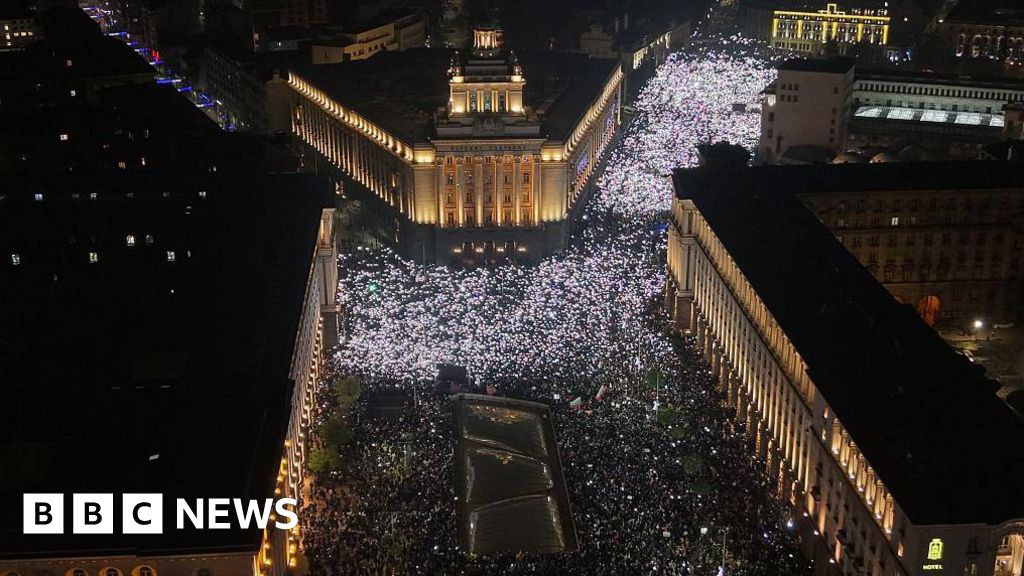
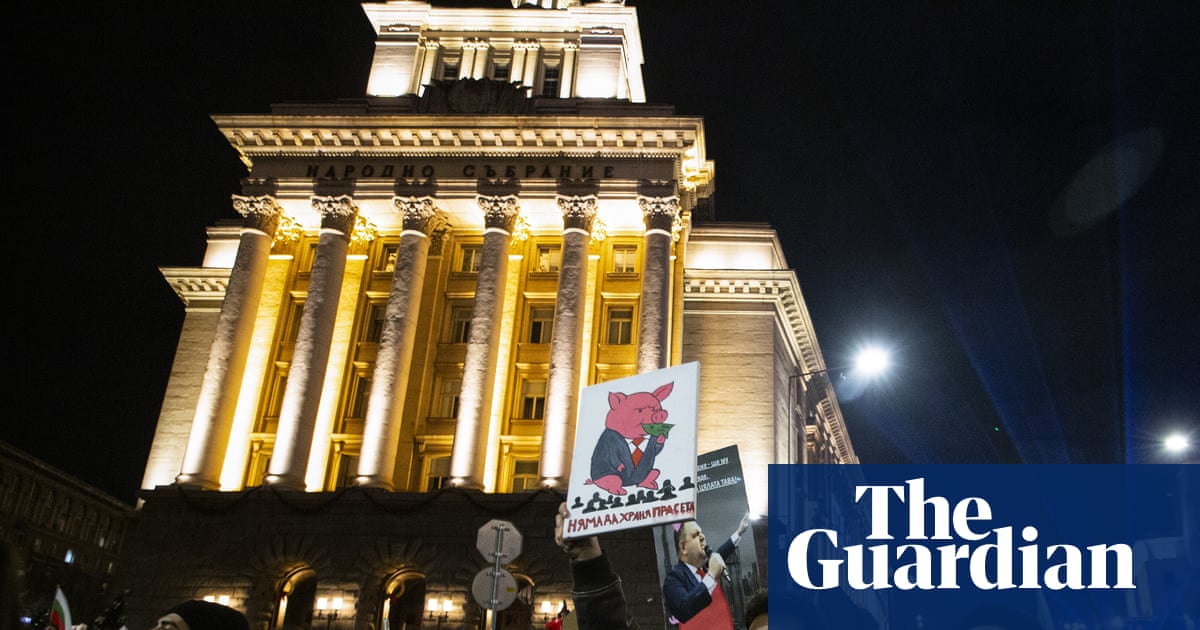
The Bulgarian government announced its resignation, a direct consequence of significant public unrest and mass protests across the country.
This political development followed the government's earlier decision to scrap a controversial budget plan, which had initially ignited widespread public opposition.
Despite the withdrawal of the contentious budget proposal, public anger and dissatisfaction continued to persist, fueling the ongoing demonstrations.
The mass protests were a critical factor, demonstrating strong public opposition to the government's policies and ultimately leading to its resignation.
This situation in Bulgaria highlights the power of public dissent in influencing governmental decisions and accountability in the face of widespread opposition.
Analysis
Center-leaning sources cover the Bulgarian government's resignation neutrally, focusing on factual reporting of events and providing relevant context. They detail the protests, the PM's statements, and the reasons for public discontent without employing loaded language or taking a definitive stance. The coverage prioritizes objective information, allowing readers to form their own conclusions.
FAQ
The mass protests were primarily triggered by the 2026 budget proposals that included raising taxes and increasing individual contributions to pension and social security programs, which sparked widespread public opposition and demands for the government's resignation alongside allegations of corruption.
Yes, the government initially suspended and later withdrew the controversial budget plan; however, public anger persisted, and continued protests demanded the government's resignation, which eventually occurred.
Allegations of widespread corruption significantly fueled the protests, with demonstrators focusing anger on oligarch Delyan Peevski and the government coalition, intensifying calls for resignation and reforms, culminating in Prime Minister Rosen Zhelyazkov’s resignation.
Protests had spread to over 25 major cities including Sofia, Plovdiv, Varna, Veliko Tarnovo, and Razgrad, with an estimated 100,000 to 150,000 people gathering in Sofia alone, making it one of the largest demonstrations in recent Bulgarian history.
In addition to demanding the government's resignation, protesters sought fair elections, better living and working conditions, and an end to oligarchic influence over politics.