Congressional Inquiry Intensifies Over Deportation of US Military Veterans
US Army combat veteran Sae Joon Park's deportation to South Korea sparked a congressional hearing. Rep. Seth Magaziner questioned Kristi Noem on veteran deportations.
 Mother Jones
We’d Never Deport Veterans, Noem Says in Earshot of Deported Veteran

 PBS NewsHour
WATCH: Rep. Magaziner confronts Noem with deported U.S. military veteran on Zoom in hearing

 Daily Beast
Humiliated ICE Barbie Confronted Over Lie by Deported Veteran

 USA TODAY
Kristi Noem grilled at hearing, asked to explain veteran's deportation
Overview
The issue of US military veterans being deported has drawn significant attention, leading to a congressional inquiry into the practices.
Sae Joon Park, a US Army combat veteran and Purple Heart recipient, became a central figure in the controversy after his deportation.
Customs and Border Protection agents deported Mr. Park to South Korea, despite his distinguished service to the United States.
Mr. Park was invited to testify via video call at a congressional hearing to share his experience and shed light on the situation.
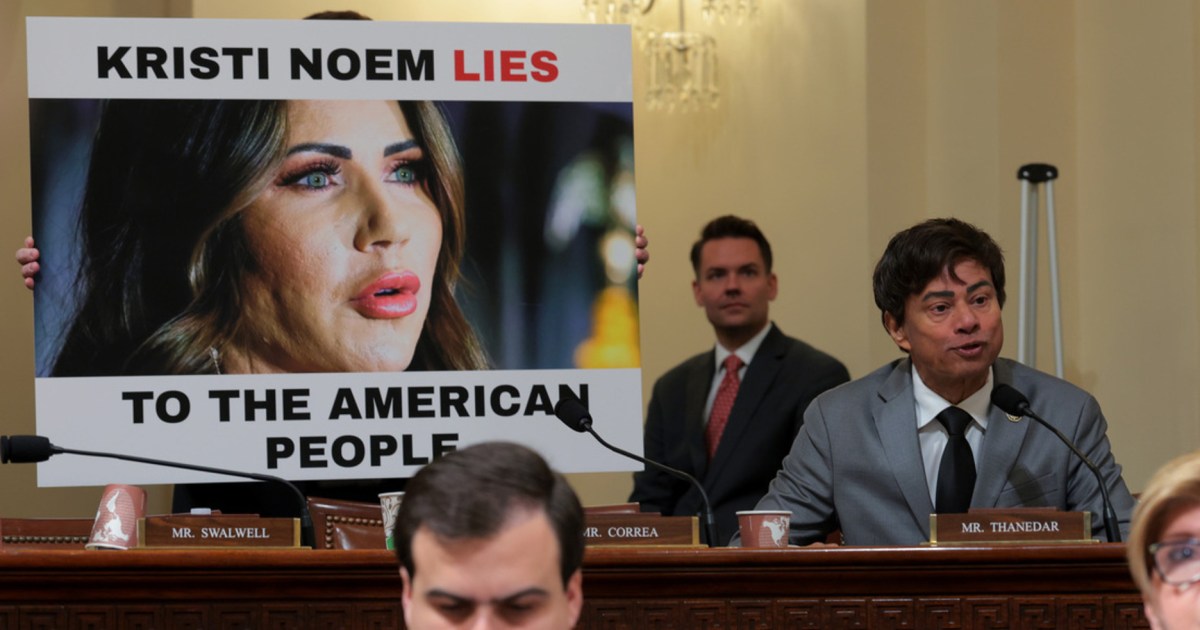
During the hearing, Rep. Seth Magaziner directly questioned Kristi Noem regarding the number of military veterans who have been deported.
Analysis
Center-leaning sources frame the story by emphasizing the intense scrutiny faced by Kristi Noem, particularly regarding veteran deportations. They highlight Democratic criticisms, protests, and questions about her job security, using evaluative language like "grilled" and "lambasted." This collective editorial choice portrays Noem as embattled and under significant pressure.
FAQ
Estimates vary widely; some reports indicate thousands of immigrant veterans have been deported, with a 2019 federal report noting 92 veterans deported between 2013 and 2018, while other estimates suggest up to 10,000 deported veterans. ICE data shows small official numbers but is considered incomplete due to inconsistent tracking.
Many immigrant veterans face deportation due to prior criminal convictions, loss of legal status, or administrative challenges like lost naturalization files. Despite honorable service and combat injuries, these factors combined with enhanced enforcement efforts under recent policies increase the risk of detention and deportation.
The Biden administration created the Immigrant Military Members and Veterans Initiative (IMMVI) to identify deported veterans, help them access VA benefits, facilitate parole for re-entry, and provide a path to citizenship. However, challenges remain in securing permanent legal status and citizenship for many deported veterans.
Deporting immigrant veterans negatively affects military recruiting, readiness, and national security, as it removes trained service members and undermines morale among immigrant troops and their families.
The deportation of veterans like Sae Joon Park sparked congressional hearings and direct questioning of officials about the number of deported veterans. Lawmakers have called on federal agencies for better data transparency and protections, highlighting ongoing concerns over policy fairness and oversight.