US Justice Department Releases Redacted Epstein Files Amidst Criticism and New Revelations
The US Justice Department released thousands of redacted Jeffrey Epstein files, including photos of Bill Clinton, sparking criticism from lawmakers and revealing new details about Epstein's connections and past complaints.
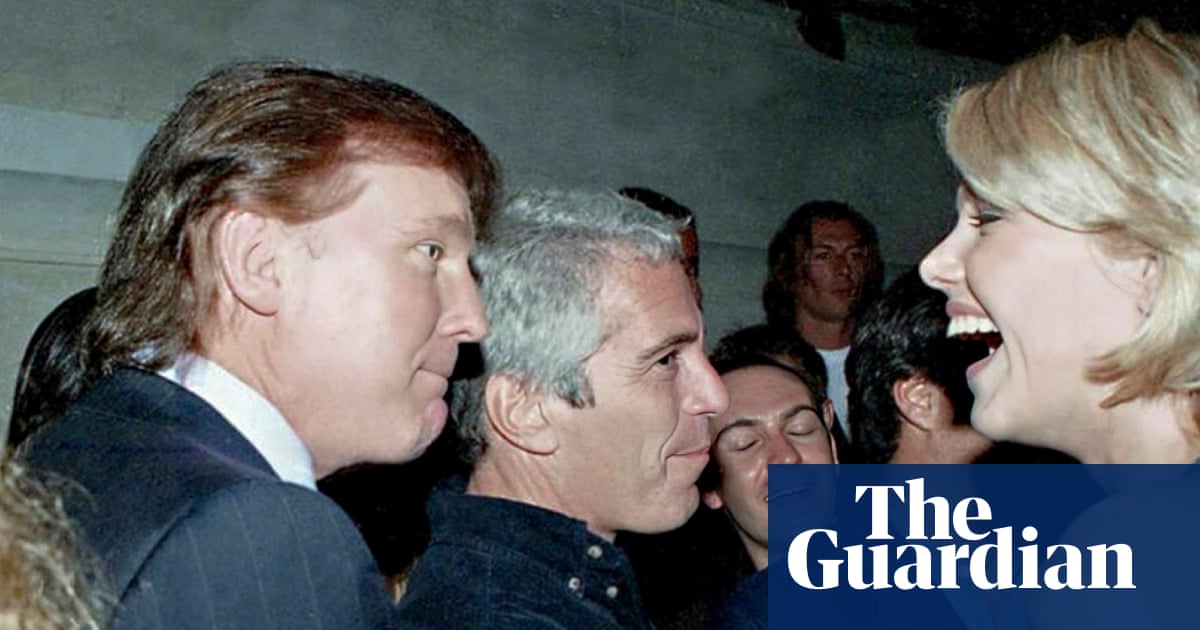
 The Guardian
Trickle release of Epstein files on a Friday signals move to bury Trump ties
 The Atlantic
The Most ████ Administration Ever

 Daily Caller
Trump Administration Misses Deadline To Release All Epstein Files
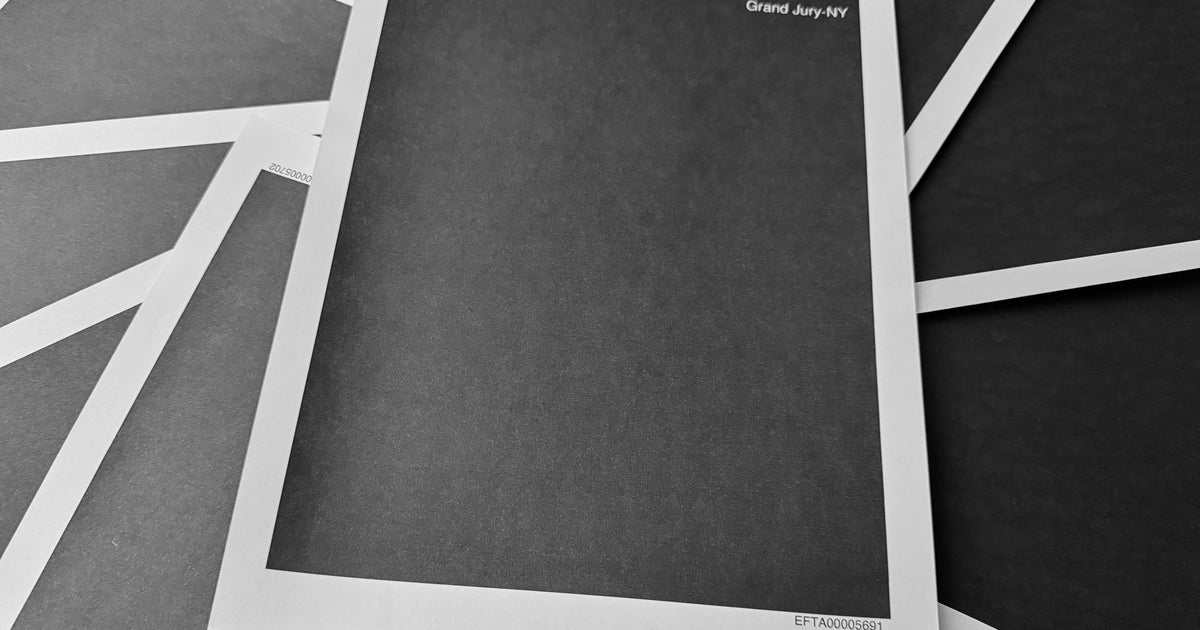
 CBS News
Over 500 pages in Epstein files were entirely blacked out, CBS News finds
Overview
The US Justice Department began releasing thousands of heavily redacted files, including photographs and documents, related to Jeffrey Epstein, following a transparency act signed by President Trump.
Lawmakers, including Democrats and Republican Rep. Thomas Massie, criticized the Trump administration and DOJ for failing to meet deadlines and for extensive redactions in the initial file release.
Newly released files feature photographs showing former President Bill Clinton socializing with Epstein and Ghislaine Maxwell, intensifying scrutiny on high-profile individuals connected to Epstein.
The documents also revealed that Epstein survivor Maria Farmer filed complaints in the mid-1990s against Epstein for child pornography and photo theft, as detailed in the Justice Department files.
Deputy Attorney General Todd Blanche defended the DOJ's "historic" efforts, citing victim protection for redactions, while announcing hundreds of thousands more files are expected in coming weeks.
Analysis
Center-leaning sources frame this story by emphasizing the Justice Department's failure to fully comply with the congressional mandate for Epstein file release. They highlight the partial nature of the "file dump" and amplify bipartisan criticism, particularly from Democrats, regarding the Trump administration's perceived lack of transparency and incomplete production of documents, despite the White House's claims.
FAQ
The release follows a transparency act signed by President Trump, though the DOJ missed a legally binding deadline and issued only a partial batch.[1]
The files include thousands of newly released photos, such as those showing former President Bill Clinton with Epstein and Ghislaine Maxwell, along with previously released documents and many blank redacted pages.[1]
Lawmakers from both parties, including Rep. Thomas Massie, criticized the Trump administration and DOJ for missing deadlines, extensive redactions, and releasing many previously available files instead of full new disclosures.
The documents revealed that Maria Farmer filed complaints in the mid-1990s against Epstein for child pornography and photo theft.
