President Trump Secures Major Drug Price Reductions and Investment Pledges from Pharmaceutical Companies
President Trump negotiated deals with nine pharmaceutical companies to reduce drug prices for Medicaid, cash buyers, and out-of-pocket consumers, securing tariff exemptions and U.S. investments.
 PBS NewsHour
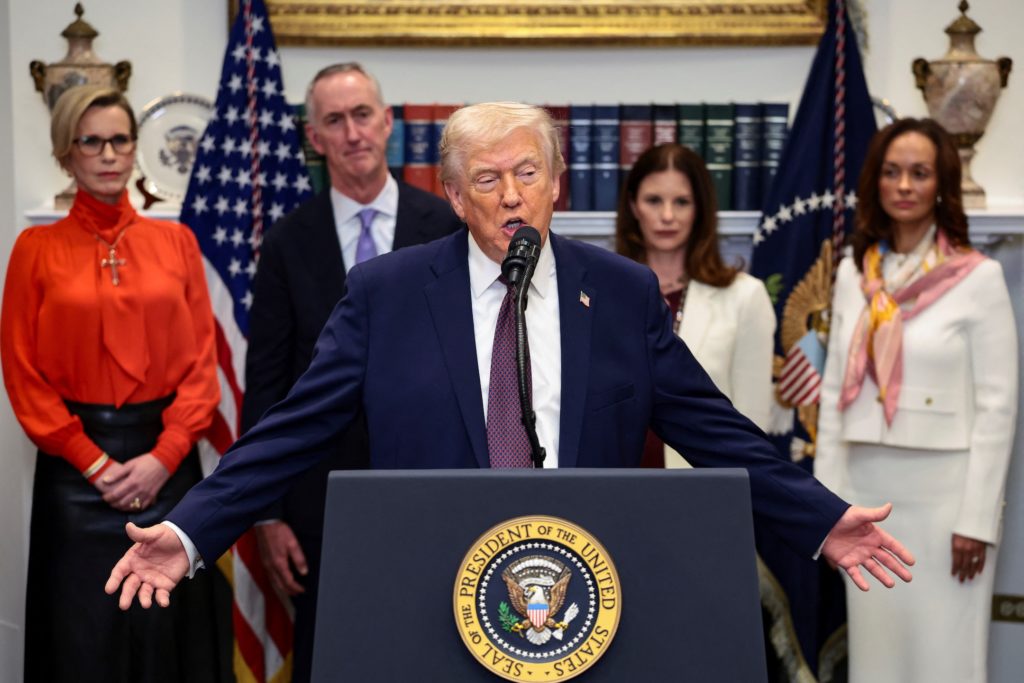
News Wrap: 9 pharmaceutical companies cut drug prices for Medicaid
 ABC News
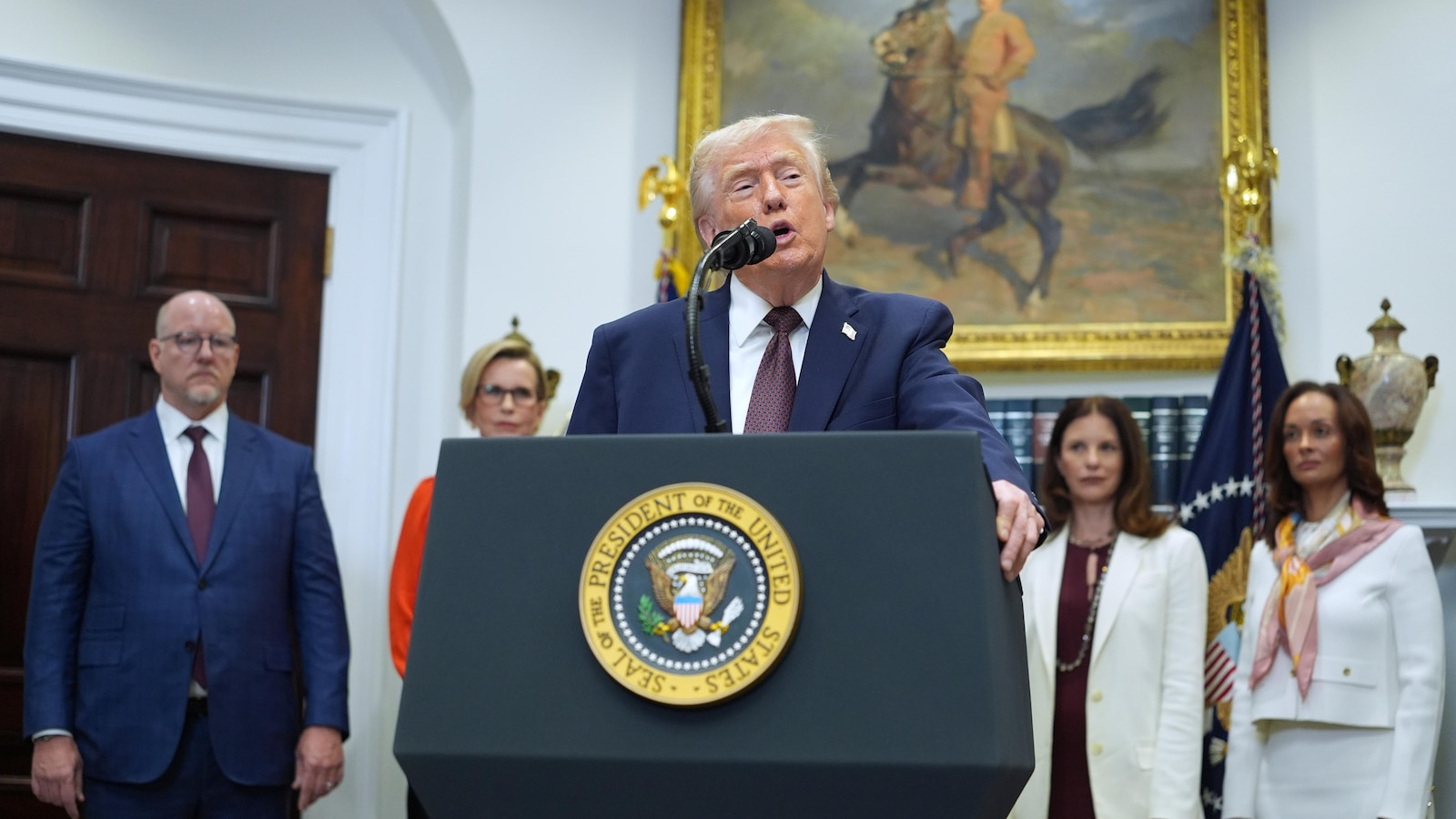
Trump announces lower drug price deals with 9 pharmaceutical companies
 NBC News
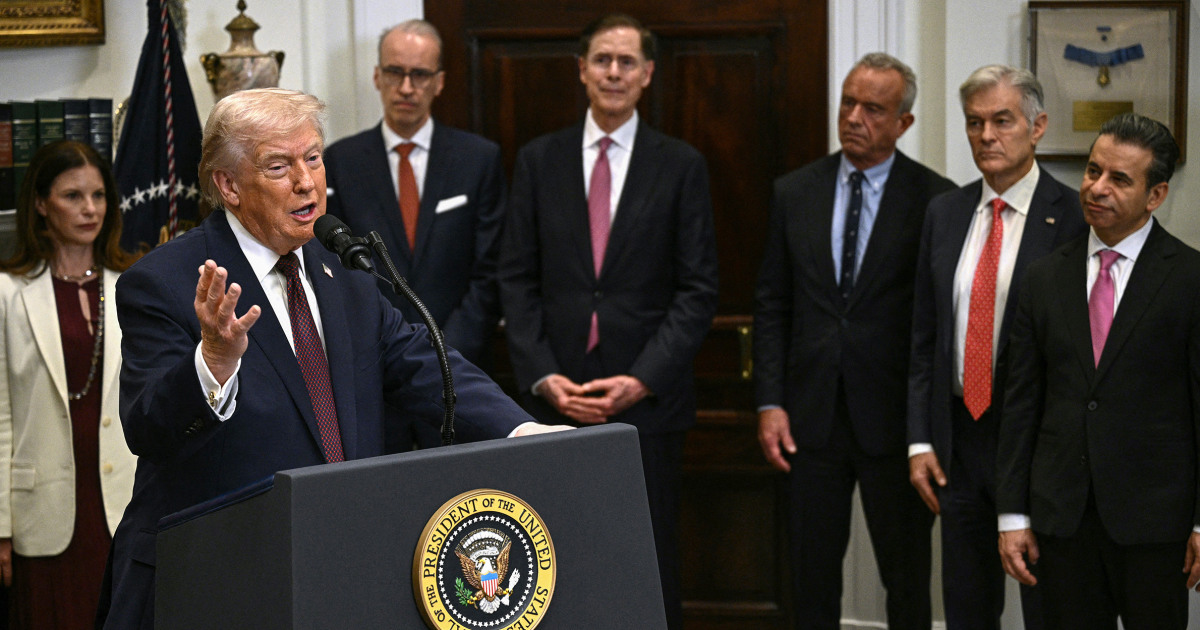
Nine drugmakers cut deal with Trump administration to slash medication costs

 NPR
NPRWhite House announces new round of drug-price deals
Overview
President Trump negotiated agreements with nine major pharmaceutical companies to reduce prescription drug prices across the U.S., aiming to lower healthcare costs for consumers.
Deals include "most-favored-nation" pricing for new drugs and cuts on flagship medications for Medicaid recipients, cash buyers, and out-of-pocket consumers via TrumpRX.
Merck will sell diabetes drugs at 70% off, and Bristol Myers Squibb will provide Eliquis free to Medicaid, directly impacting patient access and affordability.
In exchange for price reductions, drugmakers received a three-year tariff exemption and committed over $150 billion in U.S. manufacturing and R&D investments.
Beyond drug pricing, President Trump plans to meet with health insurers to negotiate lower premiums, addressing broader concerns about rising health insurance costs.
Analysis
Center-leaning sources cover this story neutrally, focusing on reporting the facts of the Trump administration's deal with drugmakers. They clearly attribute all claims to the White House or specific officials and include expert analysis that questions the deal's potential impact, demonstrating balanced reporting. The language used is objective, avoiding loaded terms or evaluative descriptions.
FAQ
The nine companies are Amgen, Boehringer Ingelheim, Bristol Myers Squibb, Genentech (Roche’s U.S. unit), Gilead Sciences, GlaxoSmithKline (GSK), Merck, Novartis, and Sanofi.
Agreements include most-favored-nation (MFN) pricing for new drugs, discounted flagship medicines for Medicaid and cash-paying patients (including direct-to-consumer sales via a federal TrumpRx platform), and commitments such as Merck offering diabetes drugs at steep discounts and Bristol Myers Squibb providing Eliquis free to Medicaid patients.
Manufacturers received a three-year suspension of threatened tariffs on pharmaceutical imports and the deals were tied to commitments of over $150 billion in U.S. manufacturing and R&D investments from the participating companies.
The agreements are voluntary; the administration used leverage (threatened tariffs and regulatory pressure) to secure participation, but observers note outstanding questions about long-term implementation, legal challenges, and market consequences for access and pricing dynamics.
States’ Medicaid programs will gain access to MFN prices on covered products (reducing Medicaid spending and patient cost-sharing), and cash-paying or uninsured consumers will be able to purchase certain drugs directly at lower prices through a federal platform (TrumpRx), potentially lowering out-of-pocket costs for those populations.