Colorado Clerk Peters seeks validation of Trump's pardon in conviction appeal
Peters' lawyers argue the Colorado appeals court lacks jurisdiction due to Trump's Dec. 5 pardon, citing Washington-era pardons; the court will hear January 14 arguments.




Overview
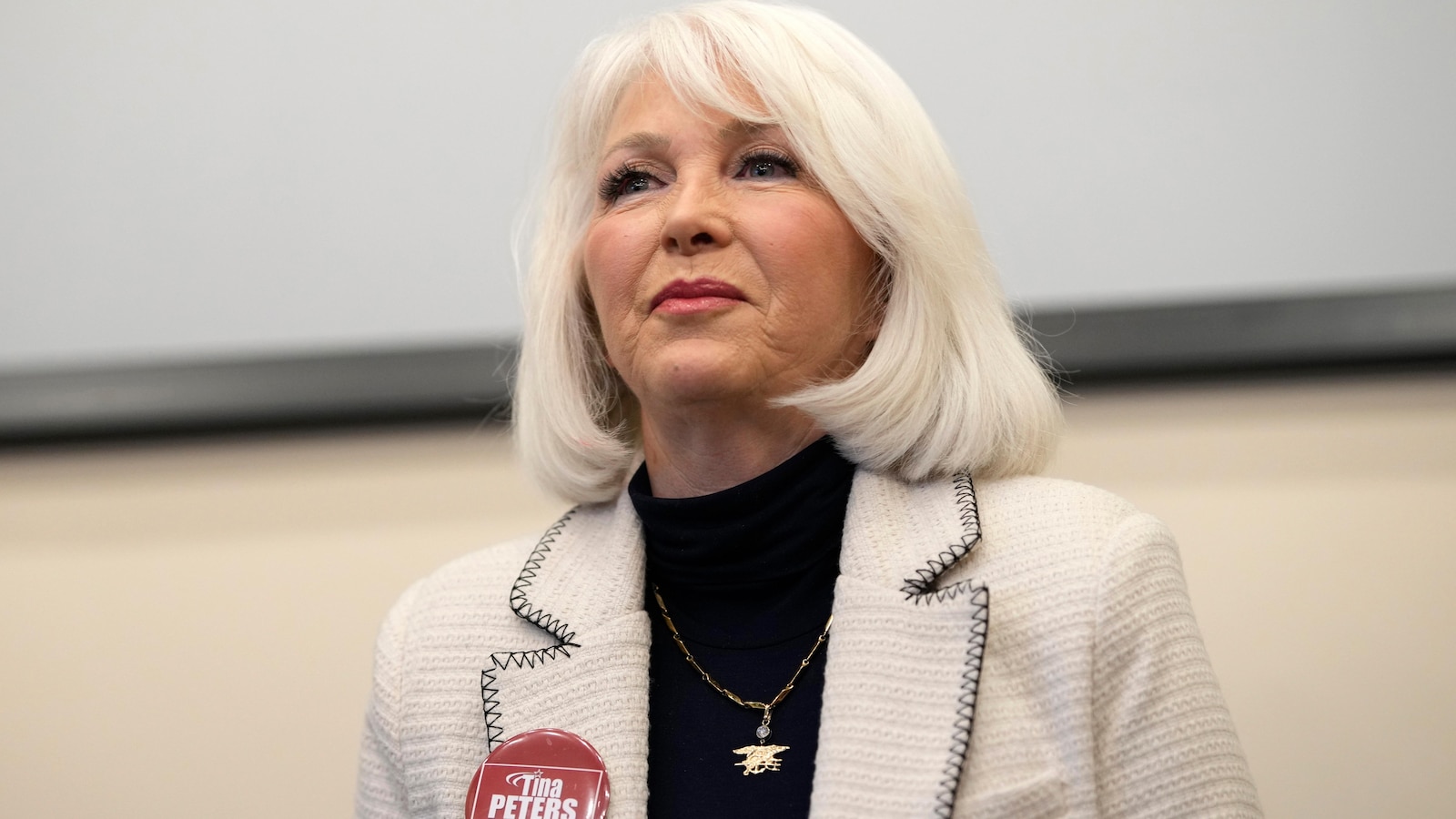
Tina Peters, former Mesa County clerk, was convicted in a data breach scheme tied to unproven 2020 election fraud claims, and now seeks relief through a state appeals process.
Peters' lawyers argue the court lacks jurisdiction due to Trump's Dec. 5 pardon, citing Washington-era pardons; the court will hear January 14 arguments.
The Colorado appeals court is urged to issue a prompt ruling ahead of the January 14 hearing on her conviction appeal.
Trump's pardon power is limited to federal offenses; Peters' team contrasts that with state convictions and seeks release or validation.
Separately, John Case asked for Peters' release based on the pardon, but the state prison system refused; the appeals court deadline for the AG's response is January 8.
Analysis
Center-leaning sources frame this story by emphasizing the legal and constitutional aspects of the case, highlighting the unprecedented nature of Trump's pardon request for state crimes. They use neutral language to describe the legal proceedings and include balanced perspectives from both Peters' attorneys and the state attorney general's office. The focus is on the legal arguments and implications rather than sensationalizing the political context.
FAQ
No; the presidential pardon power covers federal offenses, not state convictions, so a president cannot lawfully vacate or pardon state-law sentences—that authority rests with state governors or clemency mechanisms, though the issue may be litigated and could reach higher courts if parties pursue appeals.
The Colorado appeals court is scheduled to hear arguments on January 14 about whether it has jurisdiction to rule on Tina Peters's conviction appeal in light of President Trump's Dec. 5 pardon and whether the pardon affects the state-court proceedings.[1]
No; Colorado's prison system refused the request for Peters' release, and state authorities have maintained that the presidential pardon does not apply to her state conviction while the appeals process continues.
If the state court rejects the pardon’s effect, Peters can continue her state appeals and potentially seek review in the U.S. Supreme Court, and her team can file motions arguing that federal action or Supreme Court review is required—though such a path would face substantial constitutional and precedent-based hurdles.
