Iran Protests Escalate Across the Nation as Economic Crises Fuel Dissent
Protests span 100 locations in 22-25 Iranian provinces amid inflation, rial collapse, and unemployment, with authorities reporting casualties and crackdowns while signaling negotiations with West.
 Associated Press
What to know about the protests now shaking Iran as tensions remain high over its nuclear program
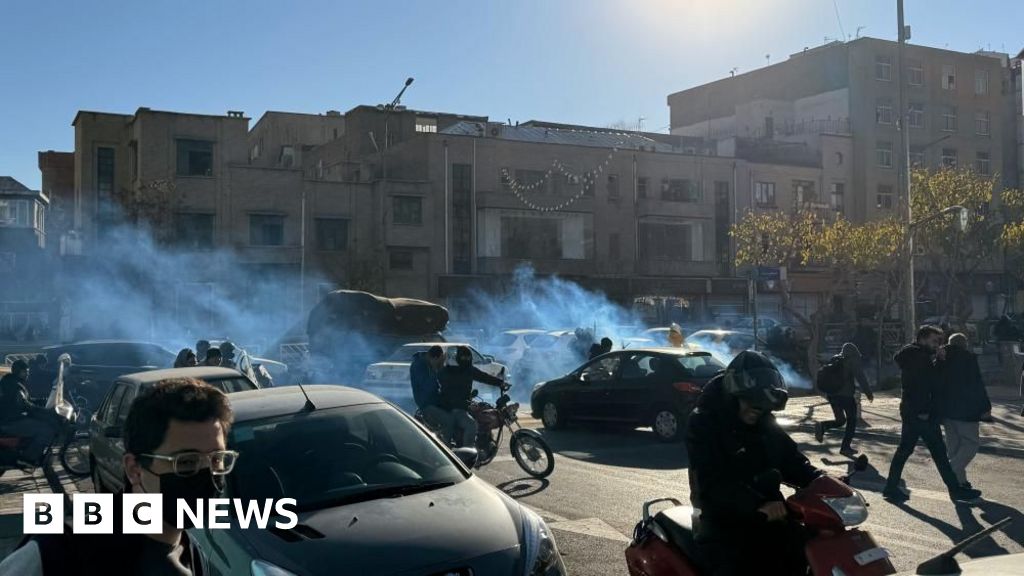
 BBC News
Trump intervention warning over Iran protests 'reckless' says foreign minister
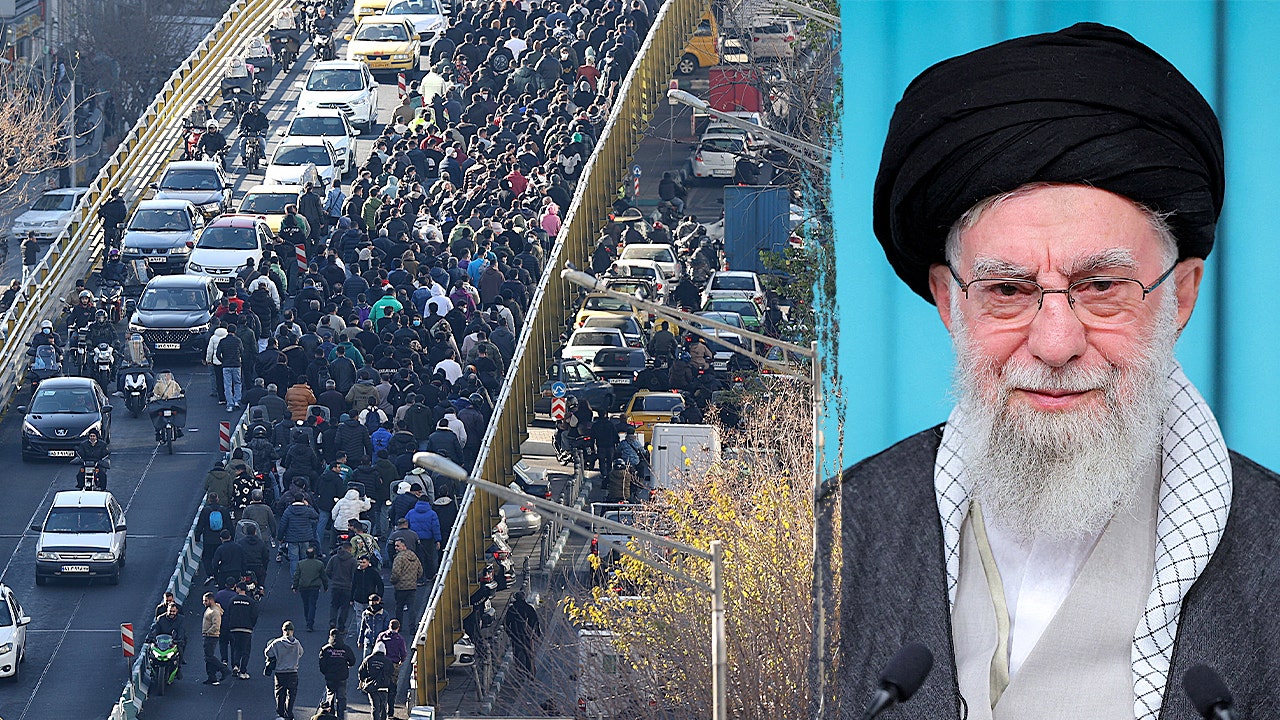
 FOX News
Iran’s Khamenei lashes out at protesters as nationwide anti-regime unrest grows
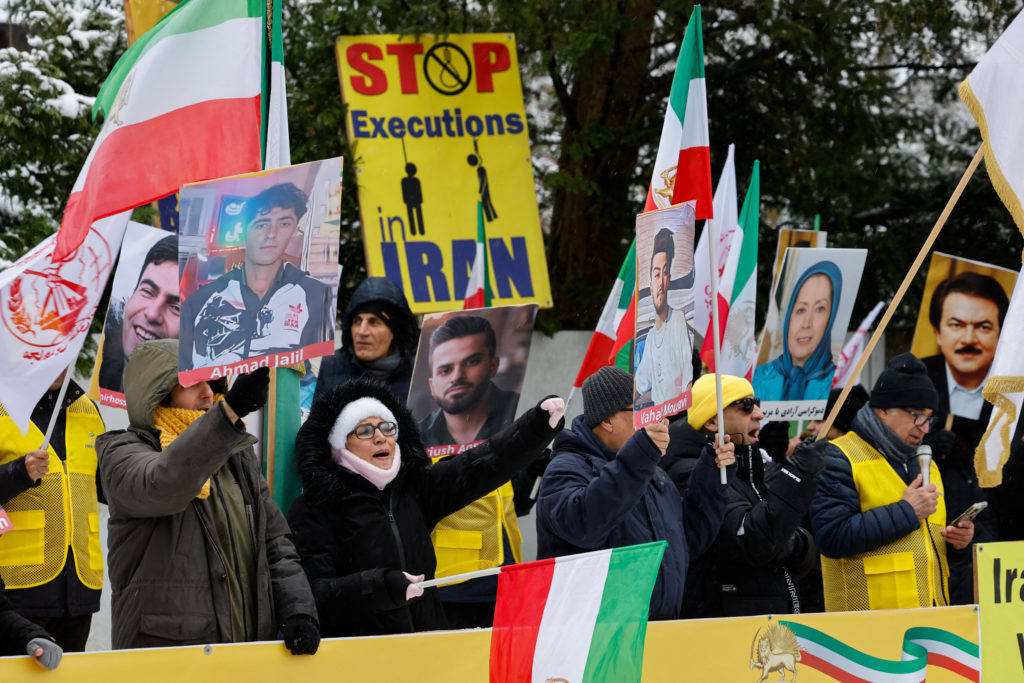
 PBS NewsHour
Iran's leader says rioters 'must be put in their place' as protest death toll rises to at least 10
Overview
Across more than 100 locations, protesters—youth, workers, and activists—demand economic relief, opposition to hijab enforcement, and an end to perceived government constraints in Tehran and provincial cities.
Official reports cite fatalities amid clashes, with independent verification contested by BBC and Fox News Digital, highlighting difficulty in confirming numbers amid crackdowns.
Iran's government states it is no longer enriching uranium at any site, signaling willingness to negotiate with Western powers to ease sanctions and address nuclear concerns.
Ayatollah Khamenei has publicly addressed the unrest amid deadly protests; the Revolutionary Guard's Basij, loyal to the supreme leader, has led crackdowns across multiple cities, raising concerns of escalation.
Rial devaluation and inflation deepen economic grievances; Tehran's June war with Israel and US strikes add to economic strain ahead of potential negotiations.
Analysis
Analysis unavailable for this viewpoint.
FAQ
The protests began in Tehran on December 28, 2025, and quickly spread to other cities across more than 100 locations in 22-25 provinces.
The protests are driven by a deepening economic crisis, including skyrocketing inflation at 42.2-48.6%, severe depreciation of the Iranian rial to 1.45 million per USD, unemployment, rising food prices, and government corruption.
Official reports cite at least seven fatalities amid clashes with security forces, though independent verification is contested due to crackdowns.
The Revolutionary Guard's Basij has led crackdowns, Ayatollah Khamenei addressed the unrest, and the government signaled negotiations with the West by stating it is no longer enriching uranium to ease sanctions.