Judge Allows Medicaid Location Data Sharing with ICE
A federal judge permitted the Trump administration to share Medicaid patients' location data with ICE starting January, affecting undocumented immigrants who lack federal healthcare eligibility.

 CBS News
ICE can access some Medicaid information for deportation efforts after court ruling
CBS NewsICE can access some Medicaid information for deportation efforts after court ruling
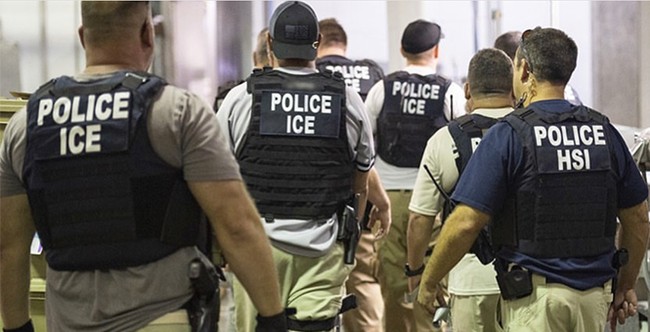
 RedState
Trump’s Deportation Plan Just Scored a Major Win: Court Rules Admin Can Use Medicaid Data on Illegals
RedStateTrump’s Deportation Plan Just Scored a Major Win: Court Rules Admin Can Use Medicaid Data on Illegals
Overview
Who: A federal judge authorized the Trump administration to provide Medicaid patient location data to ICE, potentially exposing undocumented immigrants to immigration enforcement starting in January.
What: The ruling permits sharing of Medicaid recipients' location information, despite undocumented immigrants' general ineligibility for federal healthcare benefits, including comprehensive Medicaid coverage.
Where/When: The decision applies nationally and takes effect in January, allowing the administration to begin transmitting data to ICE at that time.
How: The government will use Medicaid enrollment and location records to help ICE locate individuals, using existing program data rather than creating new healthcare eligibility checks.
Why/Implications: Advocates warn the practice could deter immigrants from seeking care and undermine public health, while supporters argue it's lawful enforcement of immigration policy.
Analysis
Center-leaning sources frame this story by emphasizing the legal and procedural aspects of the ruling, highlighting the balance between law enforcement and privacy concerns. They use neutral language, such as "basic biographical information," and present multiple perspectives, including those of the judge, government officials, and opposing state attorneys. This approach underscores the complexity of the issue without overt bias.
FAQ
CMS will share Medicaid data including citizenship and immigration status, location, and phone numbers, and in specific cases, other information on a case-by-case basis as permitted by law.[3]
The data sharing takes effect starting January 6, 2026, following the judge's ruling lifting prior blocks.[2]
Undocumented immigrants are not eligible for regular Medicaid coverage, but may qualify for limited emergency care or enroll U.S. citizen children.[1]
It could deter immigrants from seeking healthcare, exacerbate fears in mixed-status families, and undermine public health by reducing access to care for eligible individuals.[3]
U.S. District Judge Vince Chhabria ruled that the sharing is authorized by law and the agencies have adequately explained their decisions.[2]


