Khaleda Zia dies at 79; state funeral in Dhaka, to be buried beside late President Ziaur Rahman
Former Prime Minister Khaleda Zia died at 79; thousands attended a state funeral in Dhaka; she'll be buried beside late President Ziaur Rahman.
 BBC News
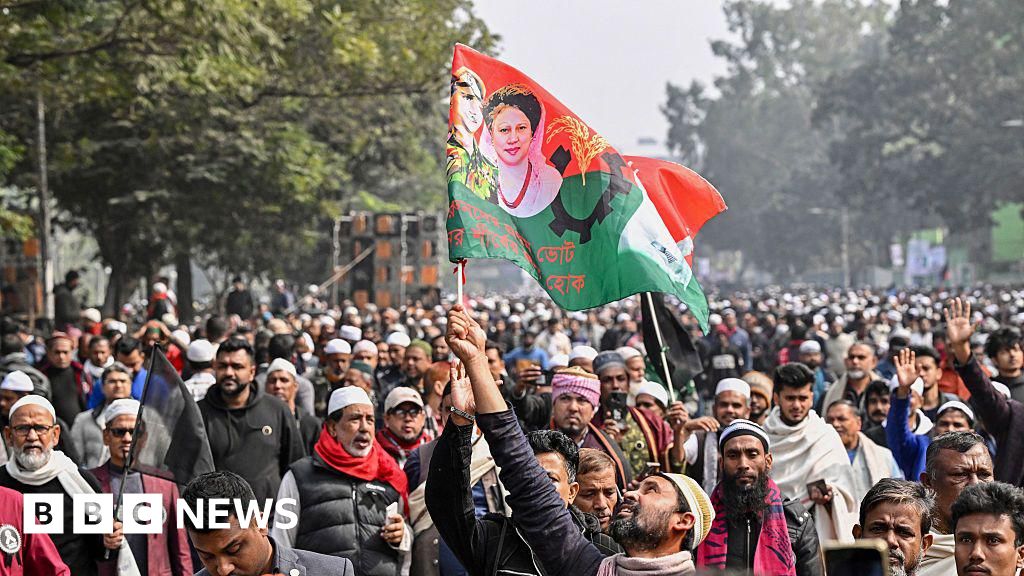
Khaleda Zia: Huge crowds mourn Bangladesh's first female PM at state funeral

 Al Jazeera
Huge crowds for Khaleda funeral as Bangladesh bids farewell to ex-leader
 Associated Press
Huge crowds join funeral prayers for former Prime Minister Khaleda Zia in Bangladesh
 ABC News
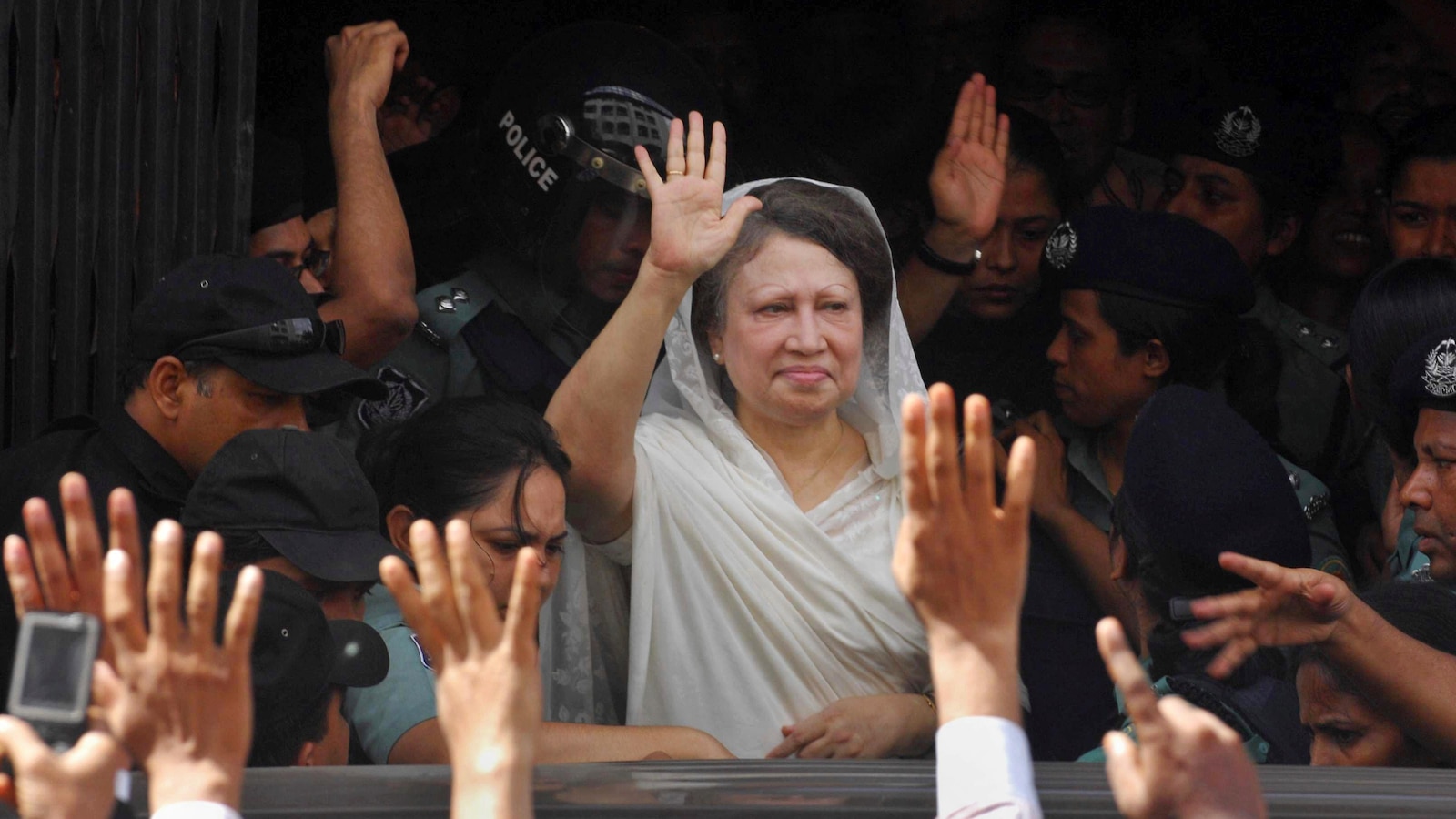
Khaleda Zia, former Bangladeshi prime minister and archrival of a previous premier, dies at 80
Overview
Khaleda Zia, Bangladesh's first elected female prime minister, died at 79 after a prolonged illness; a state funeral in Dhaka drew hundreds of thousands and international dignitaries.
She will be buried next to her late husband, former President Ziaur Rahman, assassinated in 1981, in a park outside the parliament building.
Zia served two terms as prime minister after 1991 and 2001 electoral victories, remained BNP chair, and her long career involved allegations of corruption and contested alliances.
In January 2025 the Supreme Court acquitted Zia of corruption charges, removing legal barriers to a potential February election candidacy and reshaping BNP's prospects.
BNP faces leadership questions as elder son Tarique Rahman returns; party says Hasina's government denied 18 requests for overseas treatment after Zia's 2020 prison release, later allowed travel.
Analysis
Center-leaning sources frame the story of Khaleda Zia's funeral by emphasizing her political legacy and the national mourning, using language that highlights her influence and the public's emotional response. The coverage prioritizes her role in Bangladesh's political history and the massive turnout, while also noting the presence of international dignitaries, suggesting her significant impact beyond national borders.
FAQ
Khaleda Zia was Bangladesh's first female prime minister, serving three terms (1991-1996, briefly in 1996, and 2001-2006). She led the BNP, spearheaded the movement against Ershad's dictatorship via the seven-party alliance, introduced educational reforms like free primary education for girls, boosted economic growth, and advanced women's empowerment initiatives.[1][2]
Khaleda Zia died at 79 after a prolonged illness. A state funeral in Dhaka drew hundreds of thousands and international dignitaries; she was buried beside her late husband, President Ziaur Rahman, assassinated in 1981, in a park outside parliament.
BNP faces leadership questions as her elder son Tarique Rahman returns; she remained BNP chair until her death, having been acquitted of corruption charges in January 2025, potentially enabling election candidacy.
Her career involved corruption allegations (acquitted in 2025), a boycotted 1996 election, imprisonment, denied overseas treatment requests post-2020 release, and Bangladesh ranking as most corrupt during her 2001-2006 term per Corruption Perceptions Index.