Ben Nighthorse Campbell, champion of Native American issues and former U.S. senator, dies at 92
Ben Nighthorse Campbell, a Northern Cheyenne, former U.S. senator and master jeweler, died at 92; he championed Native American causes, children and national park designation.
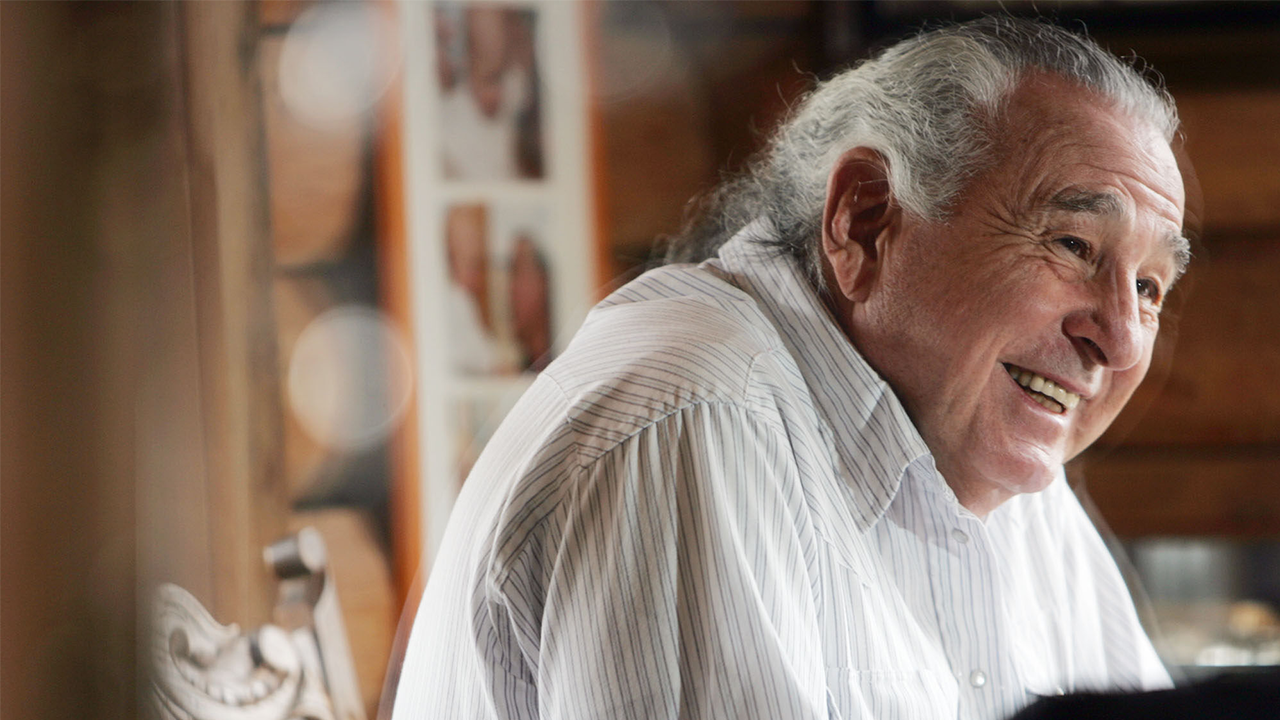
 FOX News
Former Colorado Sen. Ben Nighthorse Campbell dead at 92
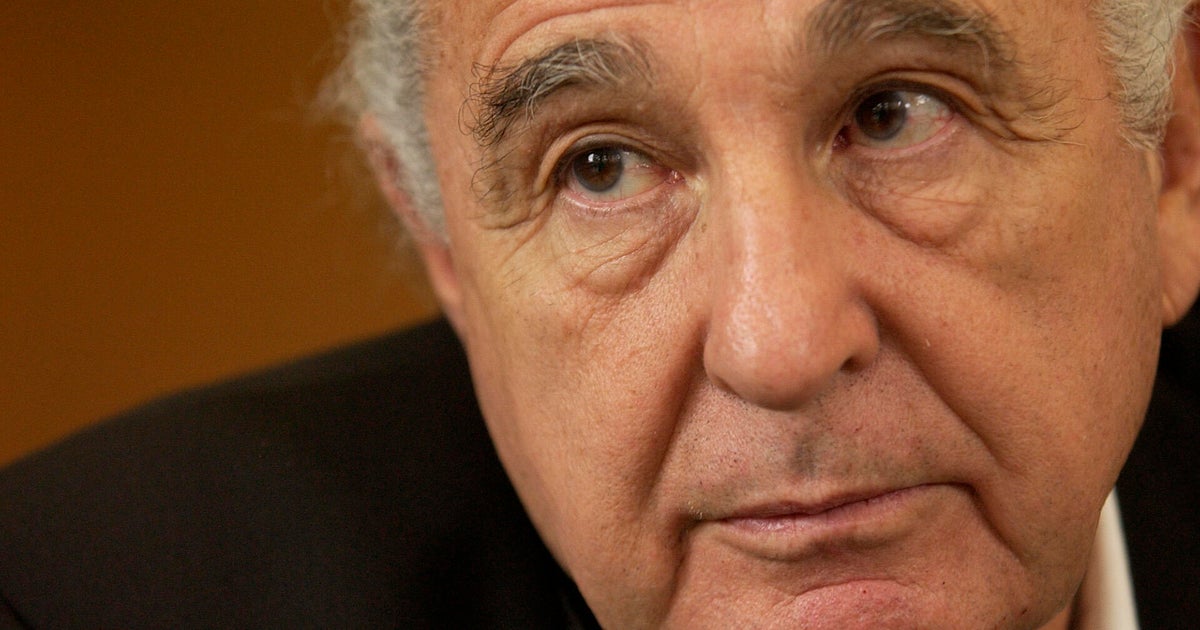
 CBS News
Ben Nighthorse Campbell, former U.S. senator from Colorado and Northern Cheyenne tribe member, dies at 92
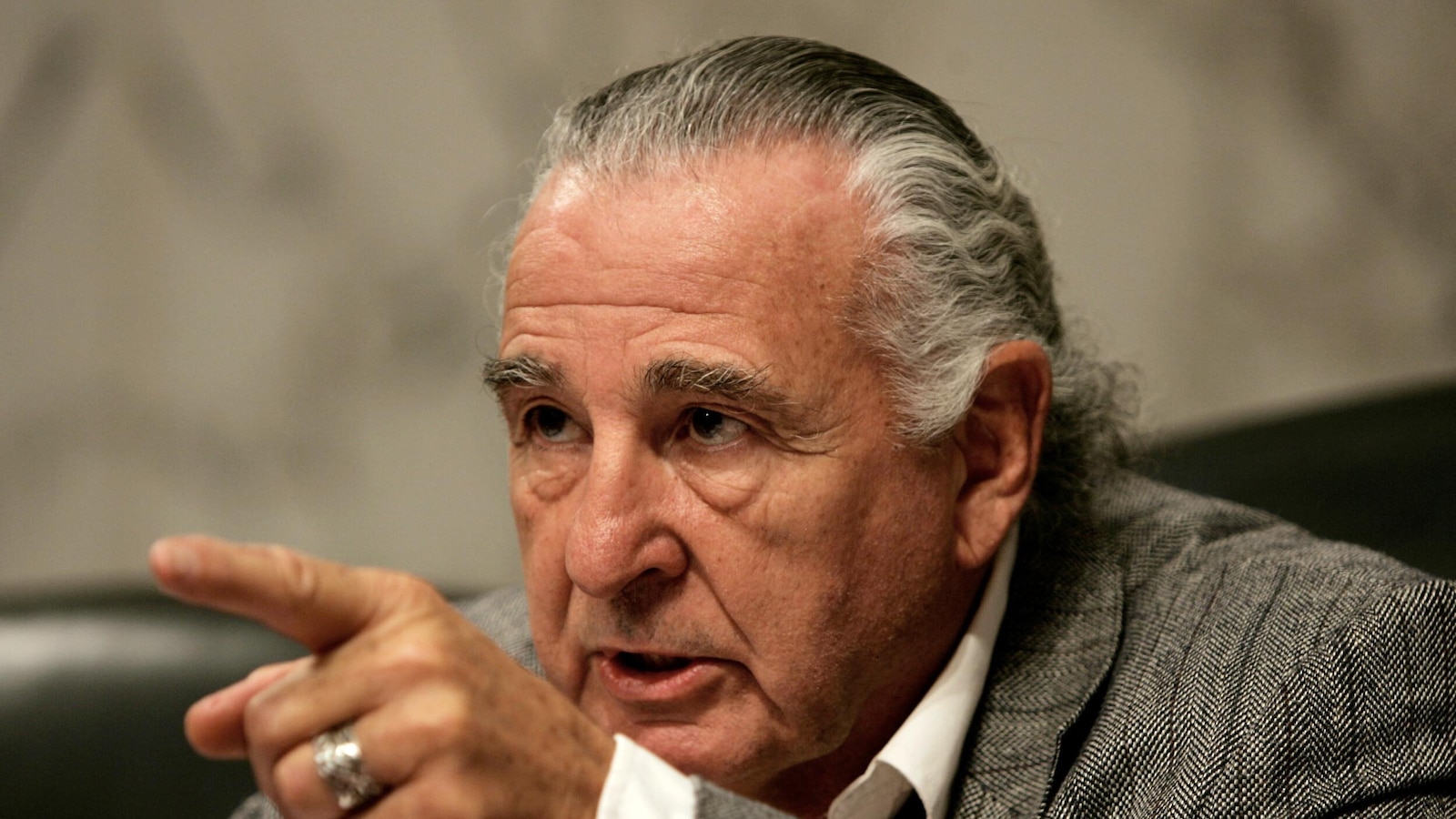
 ABC News
Former US Sen. Ben Nighthorse Campbell, of Colorado, dies at 92

 USA TODAY
Lawmakers mourn Ben Nighthorse Campbell, former U.S. senator and proud Native American

 Roll Call
Former Sen. Ben Nighthorse Campbell dead at 92
Overview
Ben Nighthorse Campbell, Northern Cheyenne, former U.S. senator and master jeweler, died at 92 of natural causes, family confirmed to The Associated Press.
He served in the U.S. House from 1987 for three terms, then two Senate terms from 1993 to 2005; switched from Democrat to Republican in 1995.
Campbell championed Native American issues, children's causes, and sponsored upgrading Colorado's Great Sand Dunes from monument to national park designation.
Born 1933 in Auburn, California, he served in the Korean War, studied in Japan, captained U.S. judo team in 1964 Olympics and won Pan American gold.
A maverick lawmaker and cattle rancher, he supported labor, law enforcement, and natural resources; known for distinctive attire and jewelry now at the National Museum of the American Indian.
Analysis
Center-leaning sources present the story of Ben Nighthorse Campbell's passing with a neutral tone, focusing on his achievements and contributions without evaluative language. The coverage includes a balanced selection of quotes from various figures, highlighting his political career, cultural heritage, and personal accomplishments. The structure is straightforward, emphasizing his legacy without bias or selective emphasis.
FAQ
He served in the U.S. House from 1987-1993 and Senate from 1993-2005, chaired the Senate Indian Affairs Committee, authored the bill establishing the National Museum of the American Indian, and championed Native sovereignty, sacred sites protection, and tribal self-determination.
Elected as a Democrat, he switched to the Republican Party in 1995 during his Senate tenure.
He captained the U.S. judo team at the 1964 Olympics, won Pan American gold in judo, served in the Korean War, worked as a master jeweler and cattle rancher, and was a member of the Northern Cheyenne Council of Chiefs.
He advocated for Native sovereignty, religious freedom, economic development, protection of sacred sites, tribal self-determination, and improved health care, housing, and education for Native peoples; he also sponsored upgrading Great Sand Dunes to national park status.