Trump Grants Mass Pardons on Return as Jan. 6 Developments Evolve: Anniversary Revision and Plaque Debate
Trump grants mass pardons to January 6 defendants on return; White House releases revised history for the attack’s fifth anniversary; Capitol plaque debates persist today.
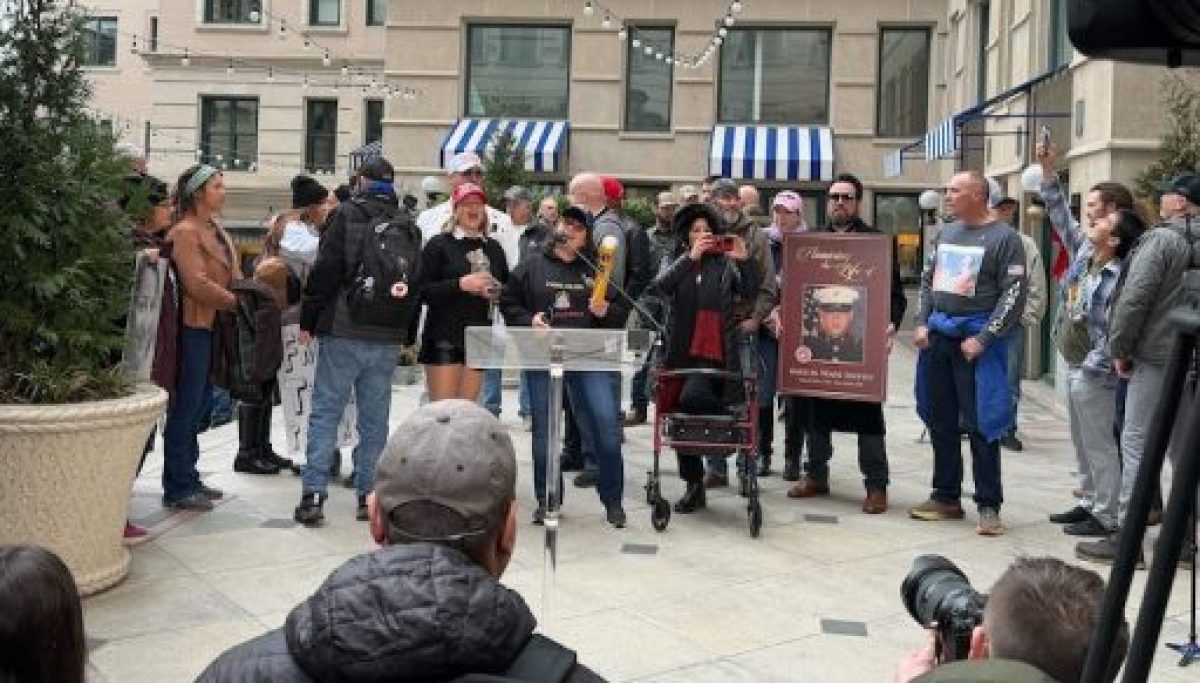
 Washington Examiner
Pardoned Jan. 6 participants demand ‘retribution’ in commemorative march

 Deadline
White House Debuts January 6th Revisionist History Website As Democrats Mark 5th Anniversary Attack On Capitol
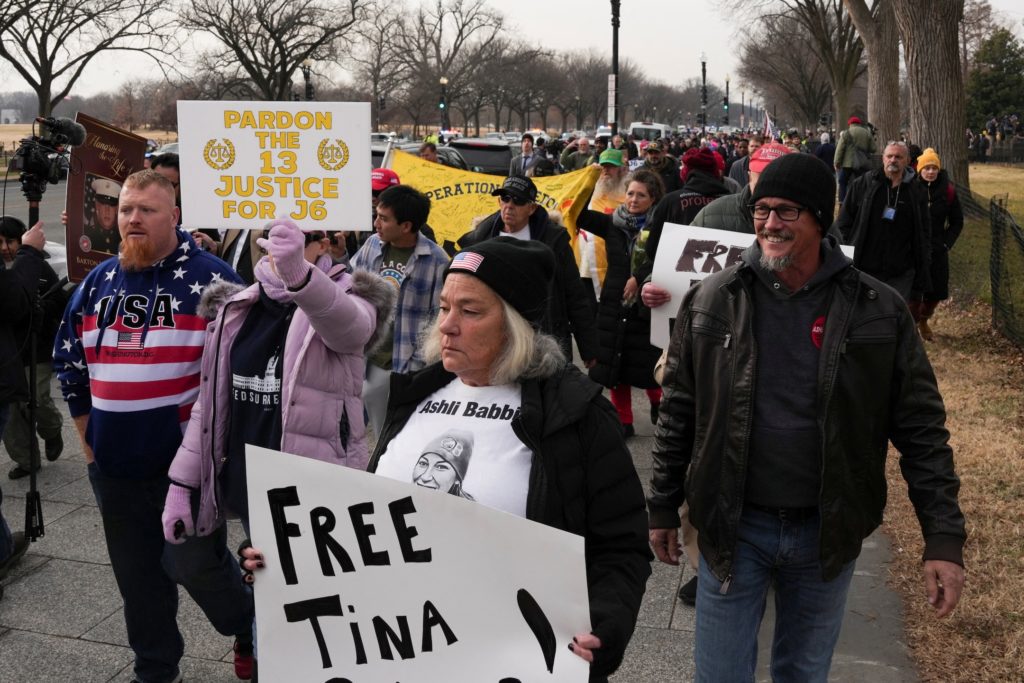
 PBS NewsHour
Pardoned Jan. 6 rioters return to Capitol on 5th anniversary of insurrection
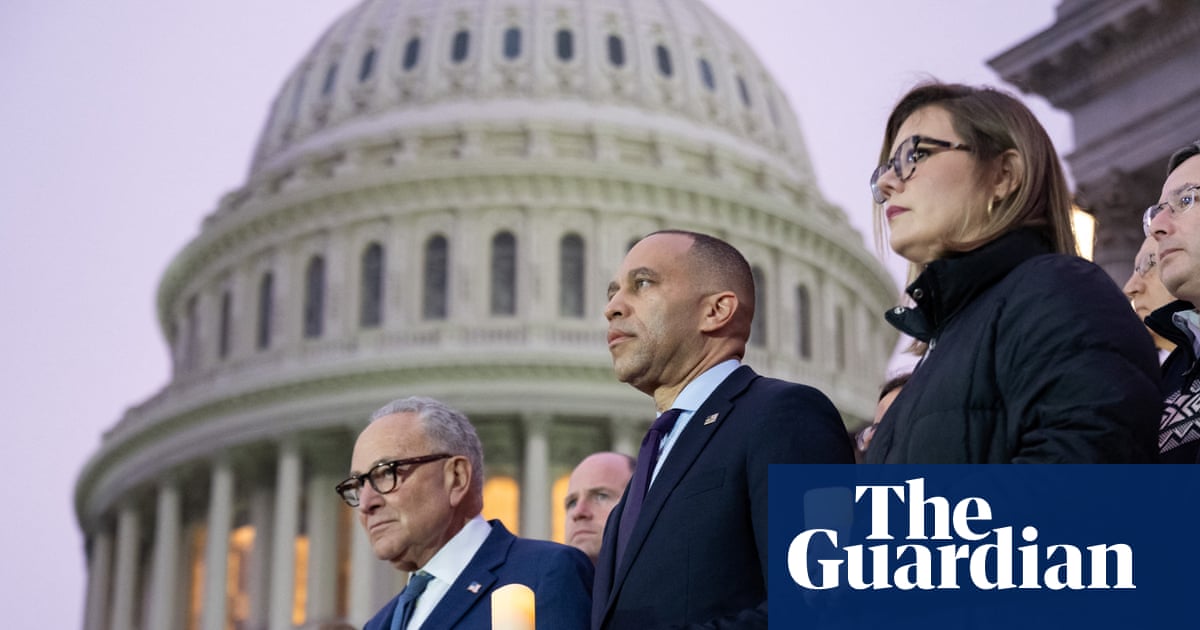
 The Guardian
Republicans silent and Democrats incensed on fifth anniversary of US Capitol attack
Overview
Trump issued mass pardons and commutations to roughly 1,600 January 6 defendants, including leaders linked to extremist groups, arguing the moves serve patriotism and reconciliation.
The White House marked the fifth anniversary of the January 6 attack by releasing a revised online history, reflecting new perspectives and policy debates surrounding the riot.
Debate persists over installing a legally mandated Capitol police plaque, with House Speaker Mike Johnson declaring it a priority as broader questions of remembrance and accountability persist.
An upcoming Capitol hearing to mark the Jan. 6 anniversary will examine pardons’ impact on violence and legal challenges, featuring testimony from police, officials, and witnesses.
Diverse participants slated to testify include Pamela Hemphill, a disavowed riot defendant, and Winston Pingeon, a former Capitol Police officer, offering varied perspectives.
Analysis
Center-leaning sources frame the Jan. 6 coverage as a contest over narrative control, presenting Trump as reshaping history while Democrats push back with verified details. They foreground the White House's 'peaceful protesters' page, pardons, and testimonies, using terms like 'rewriting the narrative' and 'unfounded claims' to emphasize bias and stakes.
FAQ
Trump granted blanket clemency to nearly 1,600 people convicted of or awaiting trial for January 6-related offenses on January 20, 2025, with most receiving full pardons and 14 members of the Oath Keepers and Proud Boys receiving commutations.
Trump described the prior criminal proceedings as a 'grave national injustice' and positioned the pardons as the start of 'national reconciliation,' claiming defendants were unfairly targeted, overcharged, and punished for exercising First Amendment rights.
The White House released an online history titled 'January 6: A Date Which Will Live in Infamy,' portraying the event as a peaceful protest turned tragedy due to Deep State entrapment, media deception, and unfair prosecutions, culminating in Trump's pardons.[2]
Testimony will include Pamela Hemphill, a disavowed riot defendant, and Winston Pingeon, a former Capitol Police officer, along with police, officials, and witnesses examining the pardons' impact on violence and legal challenges.[story]
Critics like Rep. Jamie Raskin accused the pardons of creating a 'private militia of proven street fighters'; at least 33 pardoned individuals have been rearrested for other crimes; Democrats introduced a resolution to condemn them; concerns exist about possibly pardoning the Jan. 6 pipe bomber.[3]